Why Are Wedding Rings Worn on the Right Hand?
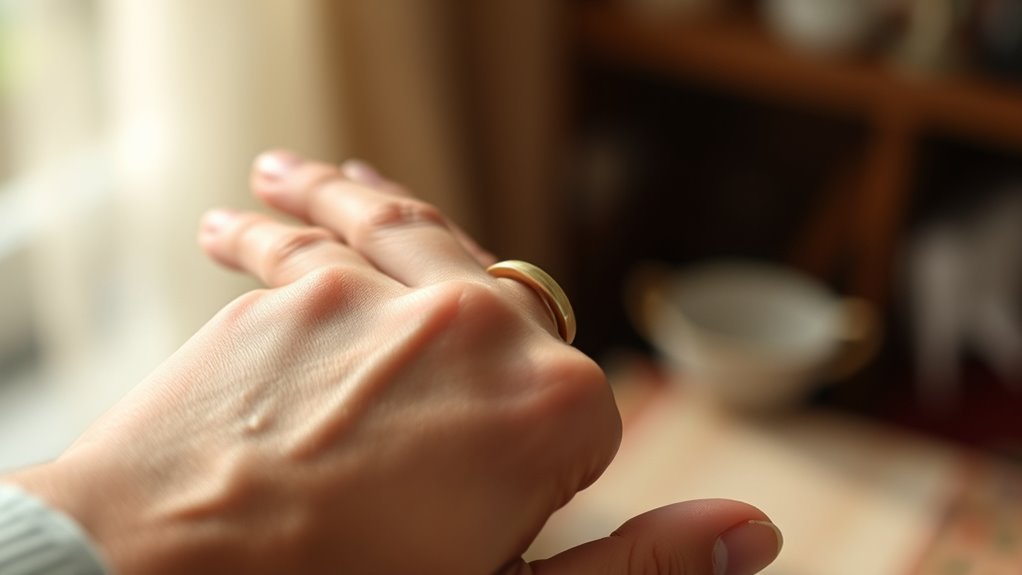
Choosing which hand to wear your wedding ring on can be surprisingly confusing. You’re not alone if you’ve ever wondered why some people wear their rings on the right hand while others prefer the left. Many people struggle with this question, especially when different cultures and traditions come into play.
You wear wedding rings on the right hand because many cultures and religions associate it with strength, loyalty, and commitment. It’s also linked to ancient beliefs, like the “vena amoris,” which connects the ring finger to the heart.
In some regions, the right hand symbolizes honor and fidelity, influenced by traditions and religious customs. If you’re curious about how different cultures interpret this choice and how modern couples decide, there’s plenty more to uncover.
Key Takeaways
- Many European and Latin American cultures traditionally wear wedding rings on the right hand to symbolize loyalty, fidelity, and social identity.
- Religious customs in Christianity, Judaism, Eastern Orthodoxy, and Hinduism often link the right hand to righteousness, power, blessing, and purity. This connection influences where the ring is worn.
- The right hand has historically represented strength, honor, and oath-taking. That makes it a meaningful choice for wedding rings beyond just looking nice.
- Gender and marital status norms sometimes dictate wearing rings on the right hand, especially for engaged individuals or men in certain cultures.
- Nowadays, couples might choose the right hand for comfort, personal expression, or to honor cultural traditions while balancing their own preferences.
Ancient Beliefs Behind Wearing Rings on the Right Hand
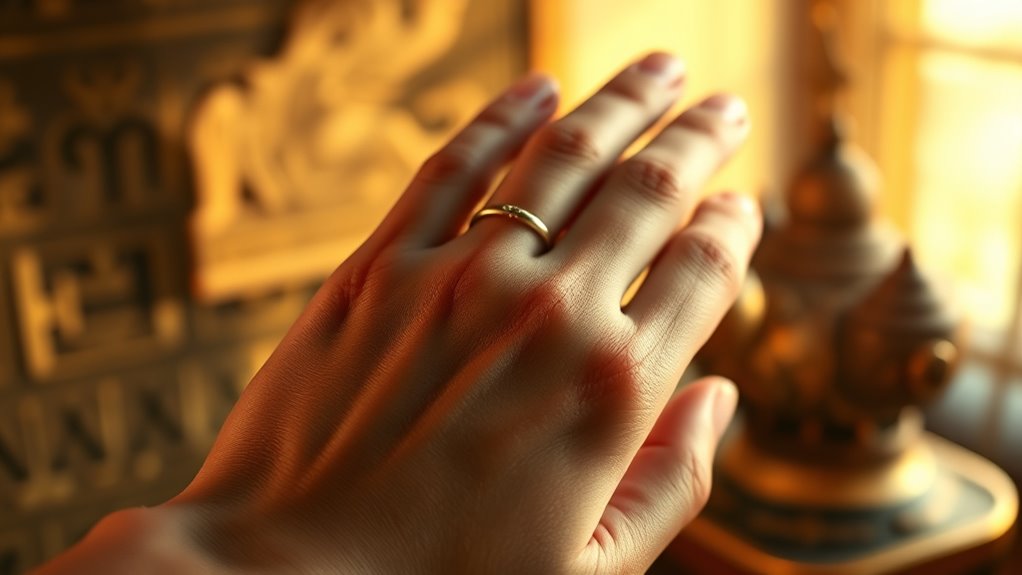
Although many cultures today favor the left hand for wedding rings, ancient beliefs often placed these symbols on the right hand to convey specific meanings. You might find it interesting that these customs trace back to ancient rituals where the right hand symbolized strength, honor, and oath-taking.
In those times, the ring wasn’t just a decoration; it was a powerful sign of commitment and social status. Understanding the ring origins helps you appreciate why the right hand was chosen. People believed it connected more directly to the heart through the “vena amoris,” or love vein.
Cultural Reasons for Choosing the Right Hand for Wedding Rings
When you investigate different cultures, you’ll see that many choose the right hand for wedding rings because of unique customs and values tied to that side of the body. In several European countries, the right hand carries strong cultural symbolism linked to strength, honor, and commitment.
For example, in Germany and Russia, wedding traditions emphasize the right hand as a representation of loyalty and fidelity. You’ll also find that in Latin American cultures, wearing the ring on the right hand reflects social identity and marital status clearly.
These cultural reasons shape how people express their vows and commitments, making the right hand the natural choice for wedding rings. By understanding these wedding traditions, you appreciate how cultural symbolism influences personal and communal expressions of love.
What Religious Customs Influence Right-Hand Wedding Ring Placement?
Beyond cultural traditions, religious beliefs play a significant role in why many people wear wedding rings on their right hand. You’ll find that in some faiths, the right hand symbolizes honor and moral strength, which influences wedding ring placement. These customs carry deep religious significance, reflecting cultural interpretations of commitment and spirituality.
| Religion | Religious Significance |
|---|---|
| Christianity | Right hand symbolizes righteousness |
| Judaism | Right hand denotes power and blessing |
| Eastern Orthodoxy | Right hand used in sacramental rites |
| Hinduism | Right hand linked to purity and auspiciousness |
Understanding these customs helps you appreciate how religious traditions shape the symbolic meaning of wearing a ring on the right hand.
Which Countries Wear Wedding Rings on the Right Hand: And Why?
Several countries across Europe, Latin America, and parts of Asia wear wedding rings on their right hand, each with unique cultural or historical reasons behind the tradition. In nations like Germany, Russia, and Poland, this practice reflects deep-rooted cultural variations tied to historical context, such as Orthodox Christian customs or ancient Roman influences.
In Latin America, countries like Colombia and Chile favor the right hand, often linked to Spanish colonial heritage and local traditions. Even in parts of Asia, such as India, wearing rings on the right hand can signify marital status based on regional customs.
Understanding these cultural variations helps you appreciate why the right hand is preferred, as it’s not just a matter of fashion but a reflection of history and identity in different societies.
Symbolism of Left vs. Right Hand Wedding Rings
Although both hands serve as canvases for wedding rings, the choice between left and right often carries distinct symbolic meanings that reflect cultural beliefs and personal values. When you wear a ring on your left hand, it traditionally symbolizes love, commitment, and the heart’s connection, thanks to the ancient belief that the “vena amoris” runs directly to the heart.
On the other hand, the right hand holds its own powerful ring symbolism, often associated with strength, honor, and cultural identity. The hand significance varies by culture, with some viewing the right hand as more appropriate for public displays of commitment.
Understanding these differences helps you appreciate how your ring placement expresses not just marital status but deeper cultural and personal narratives.
How Do Gender and Marital Status Affect Wedding Ring Hand Choice?
When deciding which hand to wear a wedding ring on, gender and marital status often play a significant role in shaping tradition and personal choice. You might notice gender norms influence whether men or women prefer the right or left hand. This often reflects societal expectations and cultural identity.
Marital symbolism also varies. Engaged, married, or divorced people may select hands differently to express relationship dynamics or tradition evolution. Your ring design can further reflect these choices, blending personal style with cultural meanings.
| Factor | Impact on Ring Hand Choice |
|---|---|
| Gender Norms | Men often use right hand; women left |
| Marital Symbolism | Married on left; engaged on right |
| Cultural Identity | Varies by region and tradition |
| Personal Choice | Reflects individual beliefs and style |
What Cultural Ceremonies Involve Right-Hand Wedding Rings?
You’ll notice that in many Eastern European traditions, wedding rings are placed on the right hand as a symbol of commitment. It’s a meaningful gesture that carries a lot of cultural weight. Then, in Latin American customs, the right hand often holds the wedding ring during ceremonies, which reflects important cultural values. Plus, Orthodox Christian practices also tend to favor the right hand. This choice is tied to religious significance and the idea of marital unity. So, across different cultures, the right hand plays a special role when it comes to wedding rings.
Eastern European Traditions
Since many Eastern European cultures have rich wedding customs, they often place wedding rings on the right hand to symbolize faithfulness and strength. This tradition reflects a deep cultural heritage and carries historical significance tied to regional variations and societal norms.
Here’s what you should know about these ceremonies:
- In countries like Poland and Russia, right-hand rings highlight family traditions emphasizing loyalty and unity.
- Contemporary practices blend symbolic meanings with modern styles, keeping the tradition alive but fresh.
- Some regions associate the right hand with the sun and energy, reinforcing the ring’s role as a powerful emblem.
Latin American Customs
Although wedding ring customs vary widely across Latin America, many cultures choose the right hand to symbolize commitment and love. You’ll notice that in regions like Mexico and Colombia, placing wedding rings on the right hand reflects deep-rooted historical practices and social norms.
Engagement rings often precede this, worn on the left before switching to the right after marriage. Family influence plays a strong role here, as marriage traditions emphasize unity and respect within the community.
Regional variations affect how these rings feature in celebratory rituals, but their cultural significance remains clear: they represent a public declaration of lifelong partnership. By understanding these Latin American wedding customs, you gain insight into how symbolism and tradition intertwine in unique and meaningful ways.
Orthodox Christian Practices
Much like in Latin American cultures, where wedding rings on the right hand carry deep social meaning, Orthodox Christian practices also place significance on this tradition. If you’re curious about why the right hand is favored, consider these key points about Orthodox rituals:
The right hand signifies strength, honor, and faithfulness, making it the symbolic choice for the wedding ring.
During the ceremony, priests place the wedding rings on the right hand to bless the union under divine protection.
This practice reflects the biblical notion of the “right hand of God,” highlighting the spiritual commitment between spouses.
Can Wearing a Wedding Ring on the Right Hand Change Its Meaning?
You might wonder if wearing your wedding ring on the right hand changes its meaning. Well, in many cultures, this shift actually reflects different traditions and symbolism. And on top of that, your personal or relationship story can add a unique significance to where you choose to wear your ring. So, it’s really up to you and what feels right in your own journey.
Cultural Variations In Symbolism
Since cultural traditions shape how wedding rings are worn, placing a ring on the right hand can carry different meanings depending on where you are. Understanding the cultural significance and regional differences helps you appreciate the diverse symbolism attached to this practice.
- In many Eastern European countries, wearing a wedding ring on the right hand symbolizes marital commitment and fidelity.
- Some Western cultures reserve the right hand for engagement rings or as a tradition to honor a specific regional heritage.
- Religious beliefs in certain communities dictate the right hand as the proper side for wedding rings, symbolizing spiritual unity.
Personal And Relationship Significance
Cultural meanings provide a backdrop, but the choice to wear a wedding ring on the right hand often reflects personal or relationship significance as well. When you wear your ring there, you’re expressing emotional connections and honoring relationship milestones in a way that feels right to you. This choice can emphasize symbolic gestures unique to your bond, showing personal preferences over tradition.
| Reason | Meaning | Example |
|---|---|---|
| Emotional connections | Shows deep personal bond | Wearing right hand for closeness |
| Personal preferences | Reflects individual choice | Choosing comfort or style |
| Relationship milestones | Marks special moments | Anniversary or vow renewal |
| Symbolic gestures | Represents unique meanings | Family heritage or beliefs |
| Rebellion against norms | Challenges tradition | Expressing independence |
Your ring’s meaning changes with your story.
How Do Modern Couples Decide Which Hand to Wear Their Wedding Rings On?
How do modern couples decide which hand to wear their wedding rings on? Today, choices often reflect personal style and cultural influences rather than strict tradition. You might consider these factors:
- Comfort and Practicality: You’ll want to pick the hand that feels most natural for daily wear without interfering with tasks.
- Cultural Background: Some couples honor their heritage by following customs that favor the right or left hand.
- Alternative Placements and Modern Trends: Couples are exploring unique ring placements, like stacking rings on different fingers or switching hands during special occasions.
Choosing the Best Hand for Your Wedding Ring: Tradition and Personal Meaning
When you choose which hand to wear your wedding ring on, tradition and personal meaning often play a big role. Your ring placement preferences might reflect cultural customs or express your own personal significance. Some prefer the right hand for symbolic reasons, while others feel more comfortable wearing it on the left.
| Hand Choice | Tradition Impact | Personal Significance |
|---|---|---|
| Right Hand | Cultural Norms | Unique Expression |
| Left Hand | Western Custom | Familiar Comfort |
| Either Hand | Flexible Option | Personal Meaning |
Ultimately, you decide what feels right. Balancing tradition with your personal story guarantees your wedding ring carries the meaning you want every day.
Frequently Asked Questions
What Materials Are Most Popular for Right-Hand Wedding Rings?
You’ll find that popular materials for right-hand wedding rings include gold, platinum, and titanium, offering durability and style. Many people also choose alternative gemstones like sapphires, emeralds, or rubies to personalize their rings.
These choices often reflect cultural significance, honoring traditions or personal heritage. You can pick a ring that matches your taste while celebrating meaning, making your right-hand wedding ring truly unique and special to you.
How Should I Care for a Wedding Ring Worn on the Right Hand?
To care for your wedding ring worn on the right hand, clean it regularly with a gentle ring cleaning solution to keep it sparkling. Avoid harsh chemicals and store it in a soft pouch when not in use.
Since your ring often complements your style, make sure you match it with your daily accessories to maintain a cohesive look. Regularly check for loose stones or damage to keep it in top shape.
Can Right-Hand Wedding Rings Be Resized or Customized Easily?
About 70% of jewelers report frequent requests for resizing right-hand wedding rings. Yes, you can easily resize or customize your right-hand ring.
Resizing options typically include adjusting the band size or reshaping it without compromising the design. Customization trends now focus on engraving, mixing metals, and adding gemstones, letting you personalize your ring to reflect your style.
Just make sure you consult a skilled jeweler to maintain the ring’s integrity.
Are There Specific Ring Styles Better Suited for the Right Hand?
You’ll find that certain ring styles suit the right hand better, especially considering fashion trends and cultural significance. Bold, wider bands often stand out more on the right hand, while delicate, intricate designs highlight personal style and traditions.
Since the right hand is less common for wedding rings in some cultures, you can experiment with unique styles or symbols that reflect your heritage or personality. This makes your ring truly meaningful and fashionable.
How Do Right-Hand Wedding Rings Affect Comfort During Daily Activities?
Wearing a ring on your right hand is like carrying a gentle companion on your less dominant side. It moves with you but never hinders your flow. Since most people use their right hand less dominantly, your daily comfort often improves, avoiding irritation during tasks.
You’ll notice it feels lighter and less intrusive, letting you focus on your day without distraction. Choosing the right fit and style guarantees your ring complements your hand dominance perfectly.
Conclusion
So, you thought wedding rings had just one “correct” hand? Surprise! Whether it’s the right or left, the choice is steeped in a mix of ancient beliefs, cultural quirks, and religious customs, sometimes all at once.
Maybe your ring’s hand is less about tradition and more about personal meaning. In the end, wearing your wedding ring on the right hand might just be the perfect way to say, “I’m married… but I’m also delightfully unpredictable.”
That’s why understanding why wedding rings are worn on the right hand adds a whole new layer of appreciation to this timeless symbol.