How Are Wedding Rings Worn Step by Step
Choosing the perfect wedding ring is exciting, but figuring out how to wear it correctly can be confusing. You’re not alone—many people struggle with where and how to wear their wedding rings comfortably and securely.
Whether it’s finding the right finger or keeping the ring in great shape, knowing the basics can make all the difference.
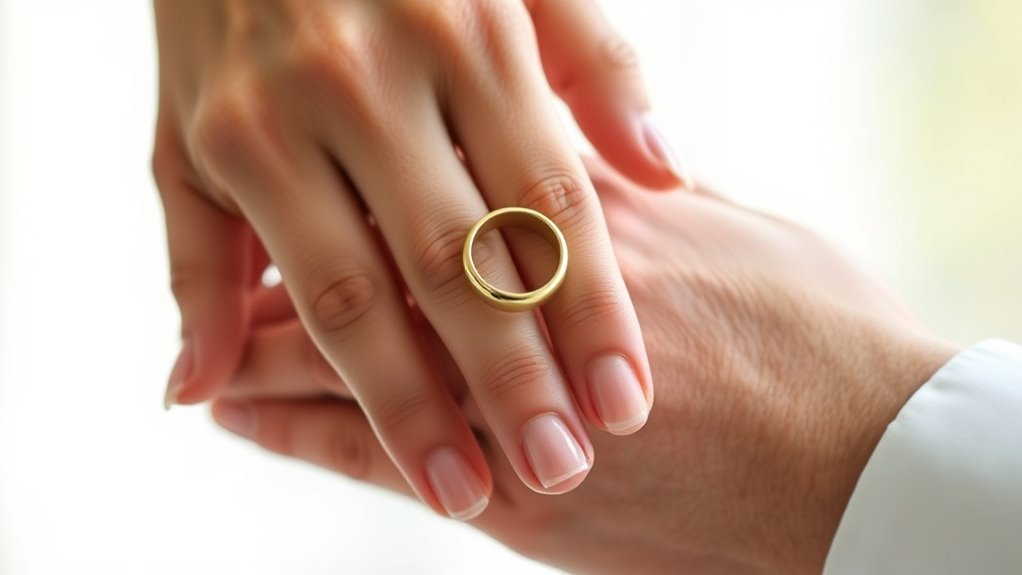
You wear your wedding ring on the fourth finger of your left hand, though some cultures use the right hand. Start by choosing the right size, measuring your finger at the end of the day for accuracy.
When putting it on, slide it gently over your knuckle for a snug fit. Clean it regularly and remove it during heavy activity to avoid damage.
If you want to keep it looking great and comfortable, there’s more helpful guidance ahead.
Key Takeaways
- Wear the wedding ring on the fourth finger of the left hand, or follow cultural customs for finger and hand choice.
- Measure your finger accurately at the end of the day. Consider temperature and ring width to ensure a proper fit.
- Gently slide the ring over the knuckle on clean hands. Make sure it’s snug and comfortable enough for all-day wear.
- Clean the ring regularly with mild soap and a soft brush. Store it safely when not worn to avoid damage.
- Remove the ring during sports, heavy work, or exposure to chemicals. Consider low-profile or silicone bands for active times.
Which Finger Should You Wear Your Wedding Ring On?
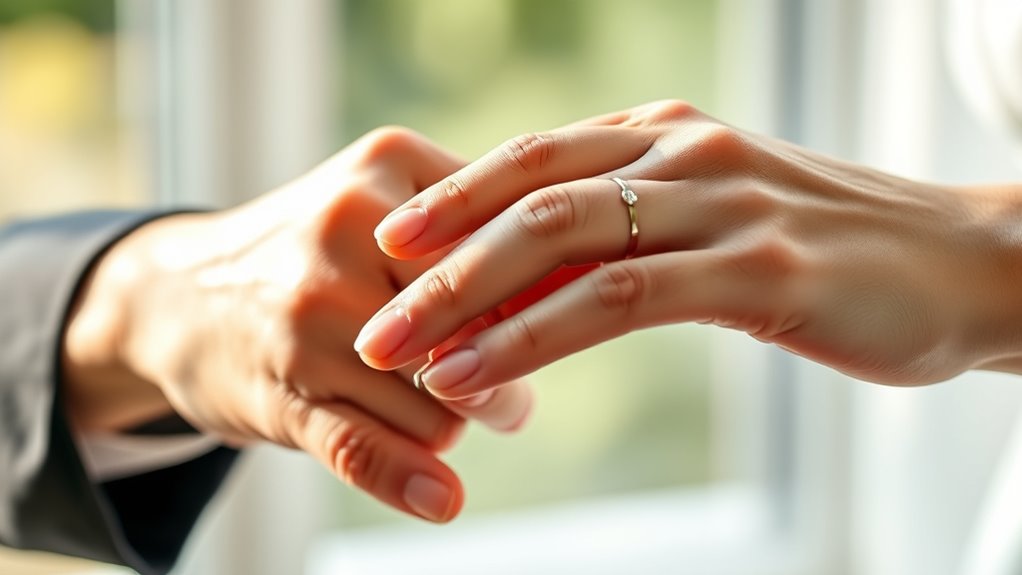
Although traditions vary around the world, you typically wear your wedding ring on the fourth finger of your left hand. This finger holds special significance because it’s believed to have a vein directly connected to the heart, symbolizing love and commitment.
However, cultural variations influence where you might place your ring. For example, in some Eastern European and Latin American countries, people wear their wedding rings on the right hand’s fourth finger.
Cultural traditions shape ring placement, with many in Eastern Europe and Latin America choosing the right hand’s fourth finger.
In parts of India and South Africa, the wedding ring might be worn on different fingers based on regional customs or religious beliefs. Understanding finger significance and cultural variations helps you respect traditions and choose the finger that feels most meaningful to you.
Ultimately, where you wear your ring reflects your personal or cultural story.
How to Choose the Right Size for Your Wedding Ring
Choosing the right size for your wedding ring starts with measuring your finger accurately. You’ll want to make sure you get it just right. Keep in mind that the width of the ring can affect how it fits, so think about how wide the band will be. Also, it’s a good idea to measure your finger at the right time of day—usually when your fingers are at their normal size—to get the best fit.
Measuring Finger Size
Finding the perfect fit for your wedding ring starts with accurately measuring your finger size. To get it right, you’ll want to investigate reliable finger measurements and use proven sizing techniques.
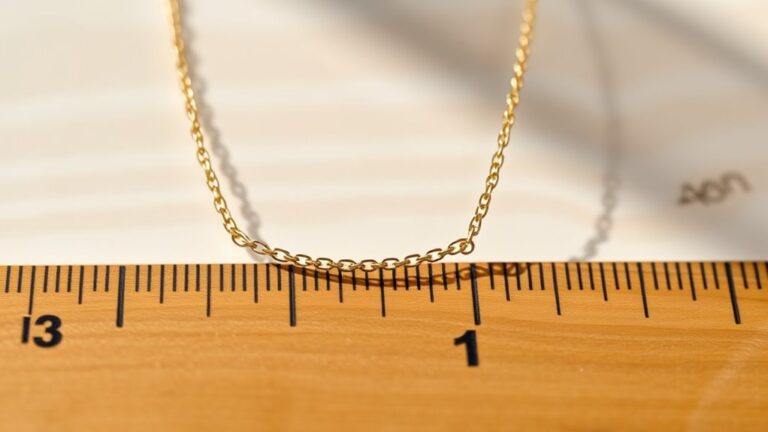
Start by measuring your finger at the end of the day when it’s at its largest. Use a flexible measuring tape or a strip of paper to wrap around your finger, marking where it overlaps. Then, compare this length to a ring size chart.
Alternatively, you can visit a jeweler who uses professional sizing tools to guarantee precision. Remember, your finger size can fluctuate with temperature and time, so measure a few times for consistency.
Accurate finger measurements help you avoid discomfort and ensure your ring sits perfectly.
Considering Ring Width
Once you have your finger size, the next step is to think about the width of your wedding ring. The width affects comfort, appearance, and how well it suits your hand. When choosing, consider:
- Ring materials: Some metals feel heavier or bulkier, influencing your comfort with wider bands.
- Style preferences: A slim band offers subtle elegance, while wider rings make a bold statement.
- Finger shape and size: Narrow fingers often look better with thinner bands, while wider fingers can balance broader widths.
Balancing these factors guarantees your ring complements your lifestyle and aesthetic. Don’t forget, a wider band might require a slightly larger size for comfort. Ultimately, pick a width that matches your personality and feels right every day.
Timing For Accuracy
Although it might seem simple, getting the right size for your wedding ring depends greatly on timing. You’ll want to use effective timing techniques to measure your finger at different times of the day, since fingers tend to swell in the afternoon and evening.
Accuracy methods like measuring when your hands are warm, not cold, help guarantee a comfortable fit. Avoid sizing your ring first thing in the morning or after exercise, as your finger size fluctuates.
Also, consider seasonal changes; your fingers might be larger in hot weather. By applying these timing techniques and accuracy methods, you’ll pick a size that fits perfectly, feels comfortable, and prevents the need for resizing later.
Getting this right upfront saves time and stress.
How to Put on Your Wedding Ring for the First Time
When you slip your wedding ring on for the first time, you’ll feel a mix of excitement and significance. This moment captures the ring symbolism, an emblem of love and commitment, making your first impressions unforgettable.
To guarantee a smooth experience, follow these steps:
- Clean your hands to avoid slipping or discomfort.
- Gently slide the ring over your knuckle, allowing it to settle comfortably.
- Take a deep breath and pause to appreciate the meaning behind this timeless tradition.
Traditional Hand and Finger Placements for Wedding Rings
When it comes to choosing where to wear your wedding ring, most people go for the fourth finger on their left hand—what we often call the ring finger. It’s kind of become the classic spot, right?
You’ll also want to think about which hand you use more. Wearing the ring on your non-dominant hand can actually help keep it safe from damage and might feel more comfortable day to day.
Common Ring Finger Choices
Two fingers stand out as the most common choices for wearing wedding rings: the left ring finger and the right ring finger. Typically, you’ll see rings placed on these fingers because cultural variations influence which hand symbolizes marital status. While these are the standard options, you might also consider alternative fingers depending on personal preference or tradition.
Here’s a quick look:
- Left ring finger: Popular in many Western countries, symbolizing love and commitment.
- Right ring finger: Common in Eastern Europe and parts of South America, reflecting local customs.
- Alternative fingers: Sometimes, people choose other fingers for comfort or unique style, though less traditional.
Understanding these choices helps you respect cultural significance while finding what suits you best.
Hand Dominance Considerations
Choosing which hand and finger to wear your wedding ring on often depends on more than just cultural tradition. It also involves your dominant hand. You might prefer the left hand for its cultural significance, but if you’re right-handed, wearing the ring on your left hand may interfere with daily activities.
Conversely, left-handed individuals sometimes choose the right hand for comfort and practicality. Lifestyle factors and personal preference play a big role in this decision.
| Hand Used | Common Finger | Reason |
|---|---|---|
| Left Hand | Ring Finger (4th) | Cultural significance, tradition |
| Right Hand | Ring Finger (4th) | Personal preference, practicality |
| Either | Middle or Index | Lifestyle factors, comfort |
Consider your dominant hand before deciding where your wedding ring fits best.
How to Wear Your Wedding Ring Alongside an Engagement Ring
Although it might seem tricky at first, wearing your wedding ring alongside your engagement ring can be both comfortable and stylish. Many wedding traditions encourage this practice, often called ring stacking, to symbolize unity. Here’s how to wear them seamlessly:
Place your wedding ring closest to your heart by wearing it on the bottom, with the engagement ring above. Confirm both rings fit snugly to prevent shifting or discomfort. Choose complementary styles or metals that improve each other’s beauty without clashing.
Cultural Meanings Behind Wedding Ring Styles
Because wedding rings carry deep symbolism across cultures, understanding their styles can enrich how you wear and appreciate them. Different cultures have unique ring traditions that reflect their values and beliefs.
For instance, in some European countries, wedding rings are worn on the right hand, symbolizing fidelity and commitment, while others use the left hand to signify love and unity. You’ll also find variations in design, such as engraved patterns or specific metals, each carrying cultural symbolism related to prosperity, protection, or eternity.
How to Care for and Maintain Your Wedding Ring Daily
Taking care of your wedding ring daily guarantees it stays as beautiful and meaningful as the day you received it. To maintain its shine and prevent damage, follow these essential ring hygiene tips. Start with daily cleaning using mild soap and warm water to remove dirt and oils. Avoid harsh chemicals that can dull or weaken the metal and stones. Store your ring safely when doing activities that could scratch or bend it.
Here are three key practices for daily care:
- Gently scrub with a soft toothbrush during daily cleaning.
- Remove your ring before heavy manual work or swimming.
- Keep it in a soft pouch or lined jewelry box when not worn.
Comfort Tips for Wearing Your Wedding Ring All Day
If you want to wear your wedding ring comfortably all day, the first thing to do is choose the right fit. It should feel snug enough to stay in place but not so tight that it feels uncomfortable. Also, keeping your skin healthy and clean is key—this helps prevent irritation and any buildup under the ring. With a little care and maintenance, your ring will stay comfortable and look great every single day.
Choosing The Right Fit
Finding the perfect fit for your wedding ring guarantees comfort throughout your busy day. When choosing your ring, consider how the ring material affects weight and flexibility. Lighter metals like titanium offer comfort without sacrificing style.
Your personal style also matters. A snug fit suits active lifestyles, while a slightly looser fit prevents discomfort when fingers swell.
To make certain your ring fits right, keep these tips in mind:
- Measure your finger at different times to account for swelling.
- Choose a ring width that complements your finger size.
- Test various ring materials to find what feels best all day.
Skin Care And Maintenance
Proper skin care plays an essential role in keeping your wedding ring comfortable throughout the day. To avoid skin sensitivity, clean your ring regularly and practice good wearing habits.
Pay attention to metal care and gemstone protection to maintain your ring’s beauty and prevent irritation. If your ring feels tight or loose, consider ring resizing for a better fit.
| Tip | Action | Benefit |
|---|---|---|
| Ring Cleaning | Use gentle soap and water | Prevents buildup |
| Metal Care | Polish with soft cloth | Avoids tarnish |
| Gemstone Protection | Remove during heavy work | Prevents damage |
These simple steps guarantee your ring feels comfortable all day long.
Adjusting Your Wedding Ring for Work and Sports
When you’re working with your hands or playing sports, your wedding ring can sometimes get in the way or even pose a safety risk. That’s why making thoughtful ring adjustments is essential, especially if you lead active lifestyles. You might want to:
Choose a snug fit to prevent your ring from slipping during vigorous activity. Opt for a durable, low-profile design that won’t catch on equipment or clothing. Consider silicone or temporary bands for intense workouts or manual labor.
These steps help protect your ring and your fingers from injury. Remember, adjusting your ring for comfort and safety doesn’t mean compromising on style. With the right approach, your wedding ring can keep up with every move you make.
When to Remove and How to Store Your Wedding Ring
Although your wedding ring is meant to be worn daily, there are times you should take it off to protect its condition and your comfort. Common removal occasions include showering, swimming, heavy cleaning, or working with chemicals that could damage your ring.
Also, consider removing it during sports or activities where it might get scratched or lost.
When it comes to ring storage, always choose a safe, dry place like a jewelry box lined with soft fabric. Avoid tossing your ring in random spots where it can get scratched or misplaced.
Using a dedicated ring holder or pouch helps maintain your ring’s shine and prevents damage. By paying attention to these removal occasions and proper ring storage, you’ll keep your wedding ring looking beautiful for years to come.
Frequently Asked Questions
What Metals Are Best for Hypoallergenic Wedding Rings?
If you’re looking for hypoallergenic wedding rings, platinum alternatives like titanium and palladium are great choices because they’re less likely to cause irritation. You can also consider gold options such as 18k or 24k gold, which have fewer alloys that might trigger allergies.
Avoid nickel-containing metals, as they often cause reactions. By choosing these metals, you’ll enjoy beautiful rings without worrying about skin sensitivity or discomfort.
Can Wedding Rings Be Resized After Years of Wear?
Think your ring size will never change? Think again! Yes, you can resize your wedding ring even after years of long-term wear.
Whether it’s gotten too tight or loose, jewelers offer ring resizing options like stretching, cutting, or adding metal. Keep in mind, some metals and designs are easier to resize than others. So, don’t hesitate to adjust your cherished ring for comfort and perfect fit!
How to Clean a Wedding Ring Without Damaging Gemstones?
To clean your wedding ring without damaging gemstones, use gentle cleaning methods like soaking it in warm, soapy water and softly brushing with a soft toothbrush. Avoid harsh chemicals or ultrasonic cleaners, as they can harm delicate stones.
Rinse thoroughly and dry with a soft cloth. Regular gemstone care like this keeps your ring sparkling without risking damage, so you can enjoy its beauty safely every day.
Are There Specific Wedding Ring Designs for Men?
Yes, you’ll find specific wedding ring designs for men that blend classic styles with modern designs. Classic styles often include simple bands in gold or platinum, while modern designs might feature unique materials like titanium or tungsten, textured finishes, or subtle inlays.
You can choose a ring that suits your personality, whether you prefer timeless elegance or something more contemporary and bold. Don’t hesitate to investigate options that feel right for you.
What Are the Most Popular Wedding Ring Trends This Year?
You might be surprised to see vintage styles and minimalist designs ruling wedding ring trends this year. They’re worlds apart yet similarly popular.
While vintage styles bring timeless charm with intricate details, minimalist designs offer sleek simplicity that suits any lifestyle. You’ll find many couples mixing these trends, blending old-world elegance with modern understatement.
Conclusion
Now that you know exactly how to wear your wedding ring step by step, you’re ready to wear your symbol of love with confidence. Remember, your ring isn’t just jewelry; it’s a circle of commitment that fits perfectly with your lifestyle.
Whether you’re at work, working out, or winding down, treating it with care keeps it shining bright. So go ahead, wear your story proudly—you’ve got this! Wearing your wedding ring step by step shows the love and meaning behind it every day.