What Is the Best Diamond Clarity Grade?
Choosing the best diamond clarity grade can feel overwhelming. You want a stone that shines brilliantly but not one that breaks the bank. If you’ve struggled to find that perfect balance, you’re not alone—many people face this dilemma when shopping for diamonds.
The best diamond clarity grade balances flawless beauty with practical visibility, focusing on eye-clean grades like VS2 and higher. These grades guarantee your diamond sparkles brilliantly without visible inclusions to the naked eye, so you avoid overpaying for perfection you won’t see.
Higher clarity is key for engagement rings, while lower grades can work for other jewelry. Keep your budget and daily wear in mind, and you’ll find the ideal clarity that fits your style and needs.
There’s more to uncover about how clarity impacts value and sparkle.
Key Takeaways
- The best diamond clarity grade balances eye-clean appearance and budget, typically falling between VS1 and VS2 for most buyers.
- Flawless (FL) and Internally Flawless (IF) grades offer perfection but come at a premium price with minimal visible difference to the naked eye.
- VVS1 and VVS2 grades provide near-flawless clarity, ideal for those seeking high quality without the FL/IF price tag.
- SI1 and SI2 diamonds can appear eye-clean if inclusions are well-positioned and masked by the setting, offering better value.
- The ideal clarity grade depends on personal preferences, intended jewelry type, and tolerance for inclusions versus budget constraints.
What Is Diamond Clarity and Why It Matters
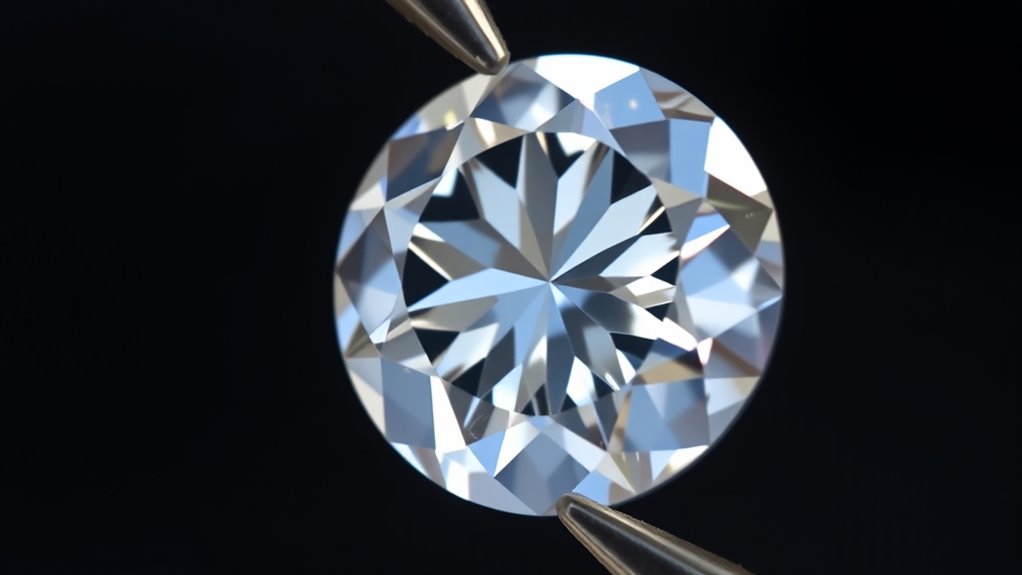
Diamond clarity refers to the presence of internal flaws, called inclusions, and external blemishes on a diamond. You might think clarity is the most vital factor when choosing a diamond, but there are many diamond clarity misconceptions.
While clarity affects a diamond’s appearance and value, it’s essential to balance clarity vs. other factors like cut, color, and carat weight. A flawless diamond may not sparkle as brilliantly if it lacks a good cut, and slight inclusions often go unnoticed once the diamond is set.
Understanding clarity helps you avoid overpaying for perfection that doesn’t impact beauty. So, while clarity matters, don’t overlook how it works alongside other qualities to create the diamond you’ll truly love.
How Diamond Clarity Grading Works
When you start evaluating clarity, you’ll notice that gemologists use a specific grading system to categorize inclusions and blemishes. This diamond grading relies on a clarity scale ranging from Flawless (no inclusions) to Included (visible imperfections).
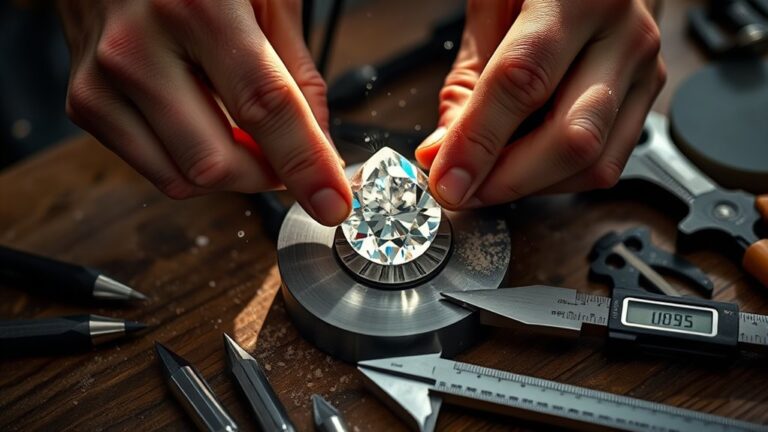
During a visual inspection under 10x magnification, experts identify inclusion types such as crystals, feathers, or clouds. To understand clarity comparison better, focus on these four key points:
- Type of inclusions present
- Size and number of inclusions
- Location of inclusions within the diamond
- How inclusions affect the diamond’s brilliance
Which Clarity Grades Are Eye-Clean and Sparkle Best?
How can you tell which clarity grades offer the best sparkle without visible imperfections? Eye clean diamonds, those without inclusions visible to the naked eye, sparkle beautifully because imperfections don’t interfere with light performance.
Sparkle factors like cut and clarity work hand in hand to create brilliance. Generally, diamonds graded VS2 and higher are eye clean, combining clear appearance and vibrant sparkle.
| Clarity Grade | Eye Clean? |
|---|---|
| FL (Flawless) | Yes |
| IF (Internally Flawless) | Yes |
| VVS1-VVS2 | Yes |
| VS1-VS2 | Usually eye clean |
Choosing diamonds within these grades guarantees you get stunning sparkle factors and eye clean diamonds that dazzle without visible flaws.
How Clarity Affects Diamond Price and Value
Since clarity directly impacts a diamond’s appearance, it also plays a big role in determining its price and value. When you shop, understanding clarity perception helps you see why certain grades cost more.
Pricing trends show that even small clarity improvements can cause noticeable price jumps. Here’s what affects price most:
- Visibility of inclusions to the naked eye
- Type and location of internal flaws
- Rarity of higher clarity grades
- Market demand and current pricing trends
You’ll find that diamonds with fewer and less visible inclusions command higher prices due to their rarity and appeal. However, because clarity perception varies, you might prioritize what looks best to you while staying mindful of how those choices influence value.
When Does Higher Clarity Matter Most?
You’ll notice that higher clarity makes the biggest difference in larger diamonds because imperfections are easier to spot. It also affects the diamond’s overall look and can even boost its investment value. So, let’s take a closer look at when clarity really matters most for your choice.
Impact On Visual Appearance
When does higher diamond clarity truly make a difference in how a stone looks? You’ll notice the most visual impact when inclusions or blemishes disrupt the diamond’s sparkle or brilliance. Your clarity perception depends on several factors that influence how visible these imperfections are.
Here are 4 key moments when higher clarity affects a diamond’s appearance:
- When inclusions are large or centrally located, catching your eye.
- When the diamond is viewed under magnification or close inspection.
- When light refracts through the diamond, making flaws more apparent.
- When the stone is set in a way that exposes imperfections rather than hides them.
In these cases, opting for higher clarity grades improves the diamond’s overall visual appeal.
Importance For Large Diamonds
Although smaller diamonds can hide imperfections more easily, larger stones demand higher clarity grades to maintain their brilliance and beauty. When you consider large diamond characteristics, inclusions become more visible as the size increases, making clarity vs. size a vital factor.
If you choose a lower clarity grade for a big diamond, those flaws can distract from its sparkle and overall appearance. You’ll want to prioritize higher clarity grades like VS1 or better to guarantee the gem looks clean to the naked eye.
This way, the diamond’s size won’t highlight imperfections but instead emphasize its dazzling fire and brilliance. Ultimately, balancing clarity with size is key to showcasing a large diamond at its absolute best.
Role In Investment Value
Large diamonds require a higher clarity grade to look their best, but clarity also plays a significant role in a diamond’s investment value. When you’re considering a diamond for investment, higher clarity often means better resale potential.
Here’s when clarity matters most:
- Rarer high-clarity stones attract premium prices due to limited supply.
- Market demand favors diamonds with minimal inclusions for their brilliance.
- Investment trends show consistent growth in value for top-clarity grades.
- Clearer diamonds maintain appeal across fluctuating market conditions.
Choosing Diamond Clarity for Different Jewelry Types
Selecting the right diamond clarity depends largely on the type of jewelry you’re choosing. For engagement rings, higher clarity grades often suit well because these pieces are worn daily and closely inspected.
Choosing diamond clarity starts with the jewelry type, with engagement rings benefiting from higher clarity for everyday wear.
Pendant necklaces and earrings can handle slightly lower clarity since they sit farther from the eye. This lets you balance fashion considerations and budget more easily.
When exploring bracelet options, consider your lifestyle compatibility. Active wearers might prefer clarity grades that hide minor inclusions to maintain sparkle without worry.
Your personal preferences and setting types also play an essential role. Intricate settings can mask inclusions, letting you choose a clarity grade that fits your style and budget.
Ultimately, matching clarity with the jewelry type guarantees your piece looks stunning and suits your everyday life perfectly.
Balancing Clarity With Cut, Color, and Carat
When you balance clarity with cut, color, and carat, you guarantee your diamond achieves the best overall beauty and value. Diamond aesthetics rely on harmony among these four Cs, not just clarity alone. Current clarity trends show many buyers prioritize well-cut diamonds with slightly lower clarity for better sparkle.
Here’s how to balance them:
- Prioritize cut first, as it controls brilliance.
- Choose a color grade that looks clean to your eye.
- Select clarity that hides inclusions without overspending.
- Pick a carat size that fits your style and budget.
Finding the Best Clarity Grades Within Your Budget
You’ll want to balance clarity and cost to get the best value without overspending. Think about popular clarity grades like VS1 or SI1 — these often look flawless to the naked eye. When you evaluate eye visibility, you can find a diamond that shines beautifully while staying within your budget.
Balancing Clarity And Cost
Finding the right balance between diamond clarity and cost means prioritizing what matters most to you. You’ll need to evaluate clarity trade-offs carefully alongside your budget considerations. Here’s how you can find the best clarity grade without overspending:
- Identify how visible inclusions affect the diamond’s appearance to your eye.
- Set a clear budget and investigate clarity grades within that range.
- Compare diamonds under different lighting conditions to spot imperfections.
- Keep in mind that minor inclusions often don’t impact brilliance but can lower cost.
Popular Clarity Grades
Diamond clarity grades offer a clear framework to help you choose the best stone within your budget. Popular clarity grades like VS1, VS2, and SI1 strike a great balance between quality and price.
Many fall prey to clarity misconceptions, believing only flawless diamonds are worthwhile. That’s one of the biggest clarity myths. In reality, inclusions in VS and SI grades are often invisible to the naked eye, especially once the diamond is set.
Choosing these grades lets you get a beautiful, affordable diamond without overpaying for perfection. By understanding popular clarity grades and avoiding common clarity myths, you’ll confidently find a stone that looks stunning and fits your budget. Don’t let misconceptions steer you away from smart choices.
Evaluating Eye Visibility
How visible are inclusions to the naked eye when choosing a clarity grade? Eye visibility plays a big role in clarity evaluation. It helps you balance beauty and budget. Most inclusions in VS2 or higher grades are invisible without magnification. So, they’re great choices if you want a flawless look without overspending.
To evaluate eye visibility effectively:
- Examine diamonds under normal lighting conditions.
- Use a loupe or magnifier to identify inclusion size and location.
- Prioritize clarity grades where inclusions don’t affect sparkle.
- Compare diamonds side-by-side to see which inclusions truly matter.
Inspecting Diamond Clarity: Tips for In-Person and Online
When you inspect clarity in person or online, paying close attention to details makes all the difference. Don’t fall for common clarity myths that suggest only flawless diamonds are beautiful. Instead, focus on proven inspection techniques.
In person, use a jeweler’s loupe under good lighting to spot inclusions and blemishes. Observe how these imperfections affect the diamond’s brilliance.
Online, rely on high-resolution images and videos, zooming in to check for visible flaws. Look for detailed clarity reports from reputable labs, but remember, photos reveal more than grades alone.
How Your Priorities Shape the Best Diamond Clarity Grade
Because clarity impacts both beauty and price, your personal priorities play an essential role in choosing the best grade for your diamond. Your personal preferences and lifestyle considerations guide this choice more than any universal standard.
Clarity influences beauty and cost, making your personal priorities key in selecting the ideal diamond grade.
To find the perfect clarity grade, consider these factors:
- How often you plan to wear the diamond daily.
- Your tolerance for visible inclusions versus your budget.
- Whether you prefer a flawless look or can compromise for value.
- If you want a low-maintenance stone that hides imperfections well.
Frequently Asked Questions
How Does Diamond Clarity Impact Durability?
Diamond clarity can impact durability, but many clarity misconceptions exist. You might think that higher clarity always means stronger diamonds, but durability factors like the type and location of inclusions matter more.
Some inclusions weaken the diamond’s structure, making it prone to chipping. So, while clarity affects appearance, you should focus on how inclusions influence durability rather than just choosing the highest clarity grade.
Can Diamond Clarity Affect Resale Value?
Yes, diamond clarity can greatly affect resale value. Studies show that diamonds with higher clarity grades often retain up to 30% more value in resale markets.
You’ll find resale trends favor stones with fewer inclusions because market demand leans toward clarity that improves brilliance. When you choose a diamond, keep in mind that clarity isn’t just about beauty; it’s a smart investment that influences how much you’ll get back if you sell later.
Are Clarity Enhancements Safe and Permanent?
Clarity improvements can be safe, but they’re not always permanent. When you choose clarity treatments, you should know improvement techniques like laser drilling or fracture filling improve appearance but might need redoing over time.
These treatments can withstand everyday wear, but exposure to heat or chemicals may affect them. So, while clarity improvements boost beauty, you should handle your diamond carefully and get it checked regularly to maintain its look.
How Do Inclusions Form Inside Diamonds?
Inclusions form inside diamonds during their formation processes deep within the Earth’s mantle. As carbon atoms crystallize under extreme heat and pressure, various inclusion types like minerals, crystals, or tiny fractures can get trapped inside.
You’ll find that these inclusions result from natural growth interruptions or impurities entering the diamond’s structure. Understanding these formation processes helps you appreciate each diamond’s unique character and how inclusions impact its clarity and value.
Does Clarity Influence Diamond Certification Reliability?
You might think clarity grading is just a fancy way to make diamonds sound special, but it actually plays a big role in certification standards. When clarity grading is precise, certification becomes more reliable, giving you confidence in what you’re buying.
If clarity wasn’t important, labs wouldn’t bother with detailed inspections. So, trust the clarity grading process. It’s what keeps certification standards honest and your diamond’s value true.
Conclusion
Choosing the best diamond clarity boils down to balancing beauty and budget. You’ll want a sparkle that shines spectacularly without splurging unnecessarily.
Remember, while higher clarity can enchant, cut and color carry essential clout too. By carefully considering your priorities and peering closely at each gem’s grade, you’ll pick a perfect, polished piece that dazzles daily.
So, smartly select, scrutinize, and shine with confidence in your sparkling choice of the best diamond clarity grade!