What Is a Chronograph Watch and How Does It Work?
If you’ve ever wanted a watch that does more than just tell time, you’re not alone. Many people struggle to find a timepiece that can keep up with their active lifestyle or help measure precise moments during workouts or tasks.
That’s where a chronograph watch comes in—it combines style with functionality to meet those needs.
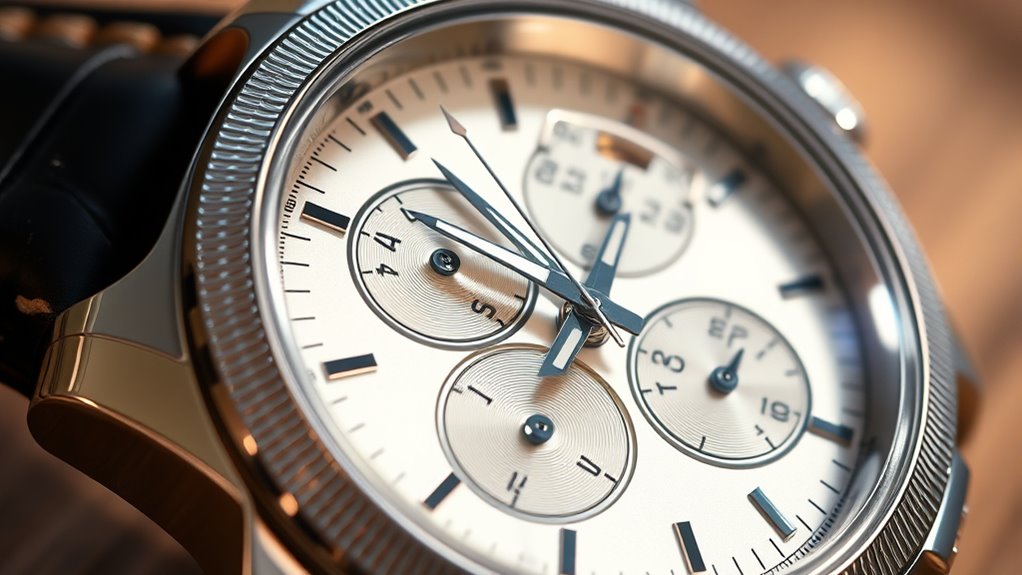
A chronograph watch lets you tell time and measure elapsed intervals like a stopwatch using pushers and subdials. When you press the start button, the central chronograph hand begins timing independently from the main timekeeping hands. You can stop and reset it as needed, making it perfect for sports or precision tasks.
Different models offer various features and designs.
If you want to understand its parts, how to use it properly, and what makes these watches popular, there’s more to investigate.
Key Takeaways
- A chronograph watch combines standard timekeeping with stopwatch functionality for measuring elapsed time. It features pushers that start, stop, and reset the stopwatch mechanism independently from the main time display.
- Sub-dials display elapsed seconds, minutes, and hours, while a central hand tracks chronograph seconds during timing. Chronographs come in mechanical and quartz versions, catering to different accuracy and design preferences.
- Proper use involves starting and stopping with pushers and avoiding reset during operation to ensure precise measurements. This helps keep your timing accurate every time you use it.
What Is a Chronograph Watch and How Is It Different?
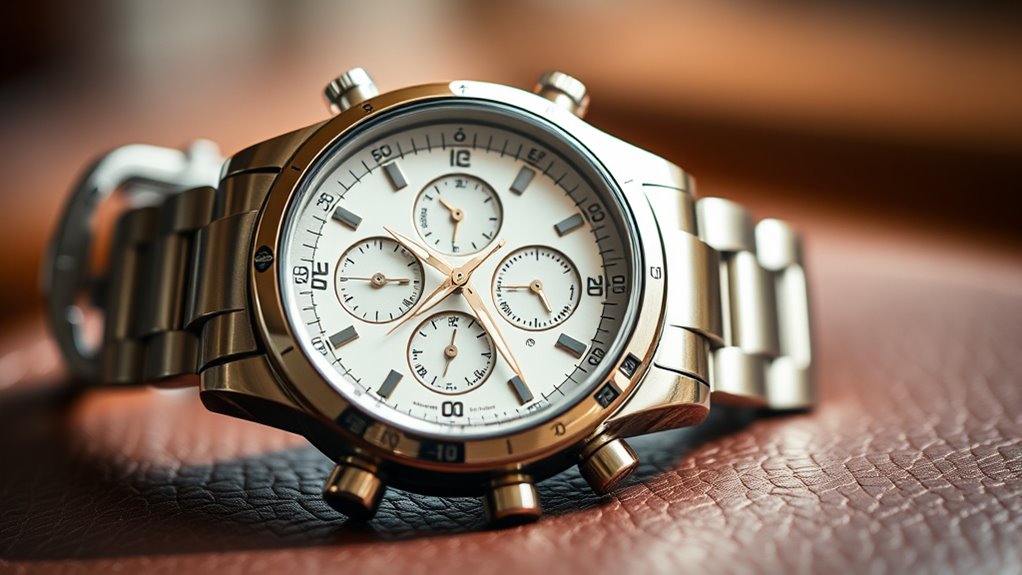
Although you might already know what a regular watch does, a chronograph watch offers much more by combining timekeeping with stopwatch functionality. You’ll appreciate that the chronograph history dates back to the early 19th century, originally designed for precise timing in sports and scientific experiments.
Unlike basic watches, chronographs have additional pushers and subdials to start, stop, and reset the timer. When choosing between mechanical vs. quartz chronographs, you’ll notice mechanical versions rely on intricate gears and springs, appealing to traditionalists who value craftsmanship.
Quartz chronographs, on the other hand, use battery-powered movements for greater accuracy and less maintenance. Understanding these differences helps you pick a chronograph watch that suits your style and needs perfectly.
How a Chronograph Watch Works
When you operate a chronograph watch, you’ll use the pushers on the side to control its stopwatch functions. Press one pusher to start and stop the timer, and another to reset it.
Inside, a separate mechanism engages the chronograph hands independently from the main timekeeping gears. This allows precise measurement of elapsed time without affecting the watch’s regular function.
A dedicated mechanism powers the chronograph hands, ensuring accurate timing without disrupting normal watch operation.
Chronographs gained historical significance through their use in aviation and racing, where accurate timing was essential. Today, their tactical applications extend to military and outdoor activities, helping you measure intervals and coordinate tasks precisely.
Understanding these mechanics lets you appreciate how chronographs blend traditional watchmaking with practical, real-world timing needs. This makes them both functional tools and symbols of heritage.
Common Chronograph Watch Terms and Parts
To really get a feel for a chronograph watch, you need to know its key components and some common terms. These parts all work together to help measure time accurately and efficiently. So, let’s dive in and explore the essential elements that make a chronograph truly unique.
Key Chronograph Components
Since a chronograph watch combines timekeeping with stopwatch functions, understanding its key components helps you make the most of its features. Different chronograph styles and design variations can influence how these parts operate and appear on your watch.
Here are the main components you’ll encounter:
- Pushers: Buttons on the side that start, stop, and reset the stopwatch function.
- Sub-dials: Smaller dials showing elapsed time, like seconds, minutes, or hours.
- Central Chronograph Hand: The large hand that moves independently to track seconds when the chronograph is active.
Knowing these parts lets you navigate your watch’s functions with ease. You’ll also appreciate the craftsmanship behind the various chronograph styles and design variations available.
Essential Chronograph Terminology
Understanding the key components of a chronograph watch sets the stage for familiarizing yourself with the terminology used to describe its functions and parts. You’ll often hear terms like “pushers,” which are the buttons you press to start, stop, and reset the stopwatch function.
The “sub-dials” display elapsed time, usually tracking seconds, minutes, and hours. “Tachymeter” refers to the scale on the bezel that helps measure speed based on travel time, a nod to chronograph history rooted in racing and aviation.
“Movement” describes the mechanism powering the watch, with chronograph watch movements either mechanical or quartz. Knowing these terms helps you appreciate the craftsmanship behind your watch and understand how the chronograph function integrates seamlessly with traditional timekeeping.
How to Use the Stopwatch on a Chronograph Watch
Using the stopwatch on your chronograph watch is simple once you know which buttons to press. You’ll start and stop the timer with the top pusher, then reset it with the bottom one.
Let’s walk through how each function works to help you track time accurately. It’s pretty straightforward, so you’ll be timing like a pro in no time!
Starting And Stopping
Although it might seem straightforward, starting and stopping the stopwatch on a chronograph watch requires pressing the right button at the right time. Mastering the starting technique guarantees your measurements are accurate from the get-go.
Usually, the top pusher starts the stopwatch, engaging the gears smoothly. When you want to pause or stop timing, use the stopping mechanism, often the same button or the bottom pusher, depending on your watch model. Knowing which button controls each function helps you avoid errors during timing.
Here’s a quick guide to get you started:
- Press the top pusher once to start the stopwatch.
- Press the same button again to stop the timing precisely.
- Use the bottom pusher only when resetting, not for stopping.
This guarantees your chronograph functions correctly without mixing controls.
Resetting The Stopwatch
To reset the stopwatch on your chronograph watch, you’ll need to press the correct button after stopping the timer. Typically, this button is located at the bottom of the watch’s side, opposite the start/stop button. Pressing it will instantly reset the stopwatch hands back to zero, preparing your watch for the next timing event.
Using proper resetting techniques is essential for maintaining stopwatch accuracy. Avoid pressing the reset button while the stopwatch is running, as this can disrupt the mechanism and lead to incorrect time readings. Always stop the timer first, then reset it.
Key Features of Chronograph Watches You Should Know
When you investigate chronograph watches, you’ll find they offer more than just telling time. These watches combine style and function, providing precision and versatility. Understanding their key features helps you appreciate their craftsmanship and utility.
Here are some essentials you should know:
- Chronograph Styles: From classic to sporty, these watches come in various designs to match your taste and needs.
- Timing Accuracy: They deliver precise time measurement, often down to fractions of a second, making them reliable for timing events.
- Multiple Sub-Dials: These track elapsed time in seconds, minutes, and sometimes hours, enhancing functionality beyond a standard watch.
Knowing these features will help you choose a chronograph watch that fits your lifestyle while ensuring you get the best performance for timing accuracy.
What Types of Chronograph Watches Are Available?
Since chronograph watches serve various purposes, you’ll find several types designed to meet different needs and styles. Sports chronographs are built tough and precise, perfect for timing laps or training sessions. They often feature bold designs and high durability, making them ideal for active use.
If you prefer something with classic charm, vintage styles offer a timeless look inspired by mid-20th-century designs. These watches typically showcase elegant dials and traditional pushers, blending functionality with nostalgia.
You can also find pilot or racing chronographs, tailored for specific activities with specialized scales and features. Whether you want rugged performance or refined aesthetics, the variety of chronograph watches guarantees you’ll find one that fits your lifestyle and preferences perfectly.
Why Are Chronograph Watches Popular With Enthusiasts?
You’ll really appreciate a chronograph watch because of its precise timing and multifunctional design that fits a variety of activities. Plus, enthusiasts love the rich heritage and expert craftsmanship that go into each piece. So, let’s take a closer look at why these features make chronographs so popular.
Precision Timing Appeal
Precision timing lies at the heart of a chronograph watch’s appeal, especially for enthusiasts who value accuracy and functionality. When you wear one, you’re not just tracking time; you’re appreciating the timing accuracy that sets chronographs apart. Their historical significance also adds to their charm, as they’ve been essential tools in aviation, racing, and space exploration. You get to connect with that legacy every time you start, stop, or reset the chronograph.
Here’s why you might find chronographs irresistible:
- Precise measurement: Offers split-second timing for critical moments
- Mechanical mastery: Showcases intricate engineering and craftsmanship
- Legacy connection: Links you to decades of innovation and adventure
This blend of precision and history makes owning a chronograph rewarding.
Multifunctional Design Benefits
Beyond their accuracy and historical significance, chronograph watches stand out because of their multifunctional design. You get more than just timekeeping; these watches offer stopwatch capabilities, tachymeter scales, and sometimes even multiple time zones.
Their multifunctional features let you track events, measure speed, or monitor intervals effortlessly. Plus, their aesthetic versatility means they suit both casual and formal settings, making them a favorite for enthusiasts who want practicality without sacrificing style.
| Multifunctional Features | Aesthetic Versatility |
|---|---|
| Stopwatch function | Complements various outfits |
| Tachymeter for speed | Classic and modern designs |
| Multiple time zones | Suitable for different occasions |
This combination makes chronographs popular among those who appreciate both functionality and design.
Heritage and Craftsmanship
Although chronograph watches boast practical features, their enduring appeal among enthusiasts often comes down to heritage and craftsmanship. You’ll find these timepieces carry a deep heritage significance, connecting you to decades of watchmaking history.
The intricate craftsmanship techniques involved in assembling a chronograph showcase true artistry and precision. When you own one, you appreciate the blend of function and tradition that few other watches offer.
Here’s why chronographs enchant enthusiasts like you:
- Rich heritage significance reflecting iconic moments and innovations
- Masterful craftsmanship techniques demanding skill and patience
- Timeless design that combines mechanical complexity with aesthetics
Choosing the Right Chronograph Watch: Key Factors to Consider
How do you pick the perfect chronograph watch that fits your style and needs? Start by reflecting on design aesthetics. Choose a look that complements your wardrobe and personality.
Next, define your price range to avoid overspending. Think about functionality: do you need a simple stopwatch or advanced features? Also, pay attention to the watch’s size and comfort for daily wear.
| Factor | What to Reflect On |
|---|---|
| Design Aesthetics | Classic, sporty, or modern look |
| Price Range | Budget-friendly to luxury |
| Functionality | Basic timing or advanced uses |
| Size & Comfort | Fit on your wrist comfortably |
| Brand Reputation | Reliable and well-reviewed |
Balancing these factors guarantees you find a chronograph watch you’ll love and use.
How to Care for and Maintain Your Chronograph Watch
Taking proper care of your chronograph watch guarantees it stays accurate and looks great for years. To keep it in top shape, focus on regular maintenance and mindful handling. Always store your watch in a cool, dry place to protect its water resistance and prevent damage.
Proper care and storage ensure your chronograph watch remains accurate and in excellent condition for years.
Be mindful of battery replacement. Changing it promptly avoids leaks that can harm the movement. Don’t forget strap maintenance. Clean leather straps gently and replace worn bands as needed.
Here are key tips for maintaining your chronograph watch:
- Follow recommended service intervals to guarantee all mechanisms work smoothly.
- Use proper cleaning techniques, like a soft cloth for the case and a gentle brush for the strap.
- Avoid exposing the watch to extreme conditions to preserve water resistance and durability.
Best Chronograph Watch Brands to Know
Maintaining your chronograph watch keeps it performing well, but choosing the right brand can make a big difference in quality and style. If you’re looking for luxury brands, consider Rolex, Omega, or TAG Heuer. They offer precision, durability, and timeless designs.
These names are known for their craftsmanship and innovation, making them great investments. On the other hand, if you want budget options without sacrificing functionality, brands like Seiko, Citizen, and Timex provide reliable chronographs at affordable prices.
These watches balance performance and style, perfect for everyday wear. Whether you prefer high-end luxury brands or practical budget options, knowing the best chronograph watch brands helps you pick one that suits your taste and needs perfectly.
Frequently Asked Questions
Can a Chronograph Watch Be Used Underwater?
Yes, you can use a chronograph watch underwater, but you need to check its water resistance rating first. Many chronographs aren’t designed for deep diving, so they have diving limitations you should be aware of.
If your watch has a low water resistance, avoid submerging it for long or in deep water. For serious diving, look for chronographs specifically rated for high water resistance to keep your watch safe and functional.
Are Chronograph Watches Suitable for Formal Occasions?
Yes, chronograph watches are suitable for formal occasions if you make smart style choices. You can pick a chronograph with a sleek design, minimalist dial, and leather strap to boost its elegance. Their watch versatility lets you easily shift from casual to formal settings.
Just avoid overly sporty or bulky models, and you’ll have a timepiece that complements your formal attire perfectly without looking out of place.
How Accurate Are Chronograph Watches Compared to Digital Stopwatches?
You’ll find that chronograph accuracy is impressive but generally not as precise as digital stopwatches. While chronographs rely on mechanical movements, which can introduce slight variations, digital stopwatches use electronic components for superior timing precision.
Do Chronograph Watches Require Special Insurance or Appraisal?
Think of your chronograph watch as a rare book in a vast library. Its chronograph value makes it more than just a timekeeper. Because of this, you might want special insurance coverage to protect it from loss or damage.
You don’t always need separate insurance, but getting an appraisal helps you understand its worth and guarantees your policy covers it properly. Taking these steps lets you safeguard your prized possession wisely.
Can Chronograph Functions Drain the Watch Battery Faster?
Yes, using chronograph functions can drain your watch battery faster because they increase power consumption. When you activate the stopwatch features, the additional mechanical or electronic components work harder, which uses more energy.
If you frequently use the chronograph, expect your battery life to shorten compared to just telling time. To preserve battery life, try limiting how often you engage those extra functions or choose watches with efficient power management.
Conclusion
Owning a chronograph watch is like having a personal timekeeper right on your wrist, blending style and precision effortlessly. Now that you know how it works and what to look for, you can confidently choose the perfect one that fits your lifestyle.
With proper care, it’ll stay reliable and sharp, making every second count. So, go ahead, embrace the art of timing and make every moment truly yours with a chronograph watch.