How Much Do People Spend on Engagement Rings Budgeting Guide
Figuring out how much to spend on an engagement ring can feel overwhelming. You want something beautiful and meaningful but don’t want to break the bank or get caught up in unrealistic expectations.
If you’re struggling to set the right budget or unsure where to start, you’re not alone—many people face the same dilemma when shopping for the perfect ring.
You should set an engagement ring budget that fits your income and savings without pressure from traditions. Most people spend based on their priorities, like diamond size or metal type, with the center stone often costing the most.
Classic solitaire rings are usually more affordable, while custom designs raise expenses.
Keep in mind hidden fees like resizing or insurance. Balancing style and cost guarantees a smart buy.
Keep exploring to uncover tips on saving and financing options.
Key Takeaways
- Assess your income and expenses to set a realistic engagement ring budget without causing financial strain or giving in to traditional spending pressures.
- Allocate a portion of your monthly income or savings for the ring, focusing on features like diamond size or unique settings.
- Remember, the center stone and metal choice are the biggest cost factors. Platinum and custom designs usually increase expenses.
- Consider budget-friendly options like lab-grown diamonds or vintage rings. Also, keep in mind hidden costs such as resizing, engraving, and insurance.
- Look into financing options carefully, balancing monthly payments and interest against upfront costs to match your financial comfort and priorities.
How to Set a Realistic Engagement Ring Budget
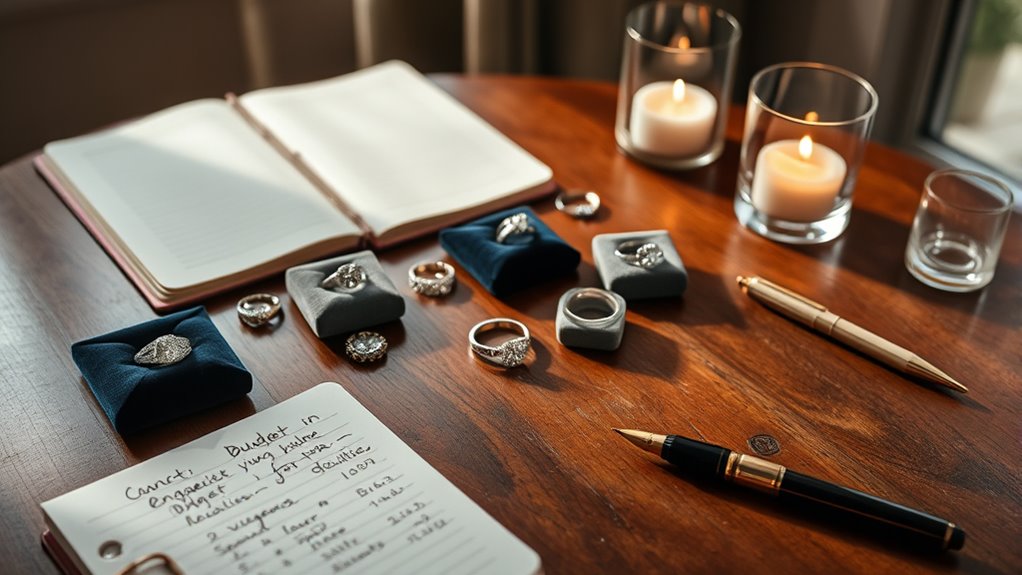
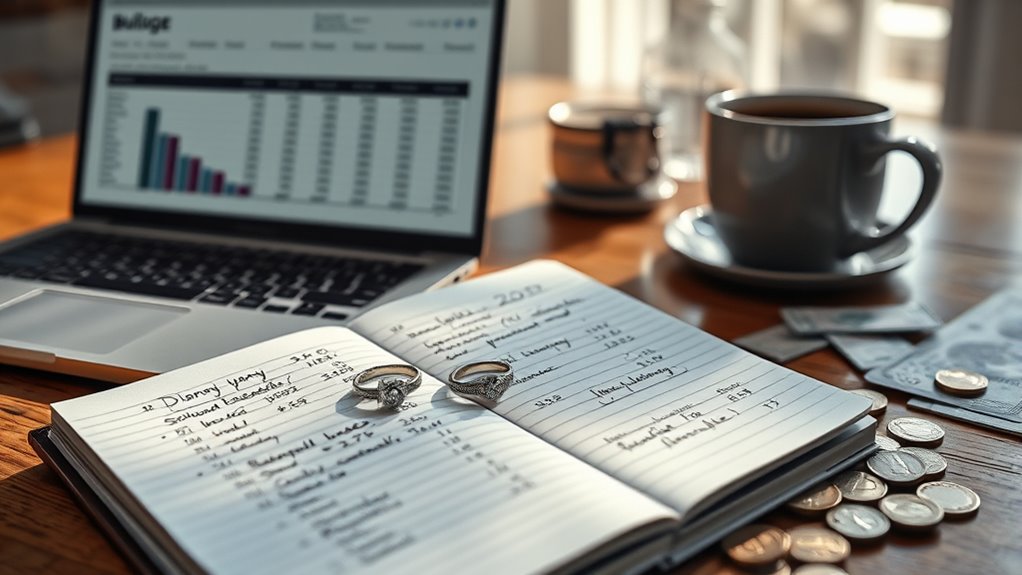
Before you start shopping, it’s important to set a realistic engagement ring budget that fits your financial situation. Begin by evaluating your income, expenses, and savings to understand what you can comfortably afford without strain.
Use budgeting strategies like allocating a specific percentage of your monthly income or setting a fixed maximum amount. Keep your personal priorities in mind, whether you value a larger diamond, a unique setting, or overall savings for future plans.
Don’t feel pressured by traditional spending expectations. Your budget should reflect what matters most to you. By combining practical budgeting strategies with your personal priorities, you’ll create a clear plan that guides your purchase, ensuring you choose a beautiful ring without compromising your financial health.
How Much Do People Typically Spend on Engagement Rings?
You might be wondering how much people usually spend on engagement rings. Well, the truth is, costs can vary quite a bit. It really depends on things like the type of metal, the size of the diamond, and the brand you choose.
Knowing a bit about these factors can make it easier to find a ring that fits your budget without having to sacrifice quality. So, don’t stress too much—there are plenty of beautiful options out there for every budget!
Average Cost Breakdown
Millions of people spend varying amounts on engagement rings each year, reflecting diverse tastes and budgets. When planning your purchase, understanding the average cost breakdown helps you allocate funds wisely. Here’s a typical spending pattern:
Center stone: The largest portion, influenced by carat, cut, and clarity.
Ring size adjustments: Customizing the band size may add to the cost.
Setting and band: Metal choice and design complexity affect prices.
Insurance options: Protect your investment with coverage, which adds ongoing expenses.
Factors Influencing Price
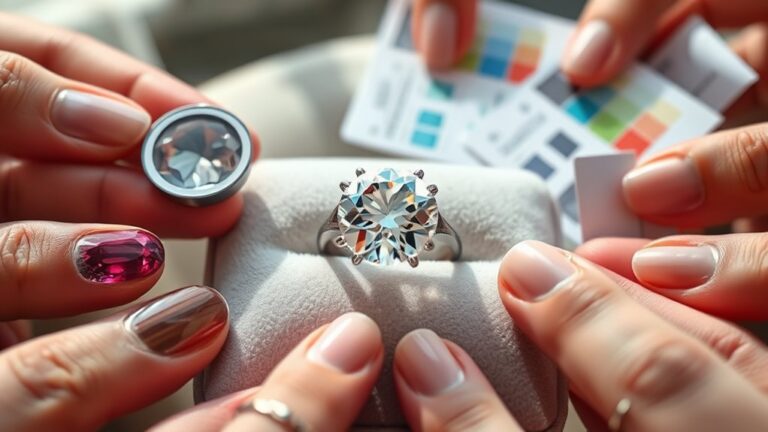
Although engagement ring prices vary widely, several key factors influence how much people typically spend. Diamond grading plays a significant role. Higher grades in cut, clarity, color, and carat weight naturally increase cost.
Market trends also impact prices, as demand shifts can raise or lower costs over time. Furthermore, the choice of metal and ring design affects your budget. Custom or designer pieces usually cost more than standard settings.
| Factor | Impact on Price | Notes |
|---|---|---|
| Diamond Grading | High | Better grades cost more |
| Market Trends | Variable | Prices fluctuate with demand |
| Metal Type | Medium | Platinum > gold > silver |
| Design Complexity | Medium to High | Custom designs increase cost |
Understanding these factors helps you set a realistic budget.
Top Factors That Drive Engagement Ring Prices
When choosing an engagement ring, several key factors influence the price more than you might expect. Understanding these can help you find the perfect ring within your budget. Market trends and seasonal discounts often affect when and where you buy, potentially saving you money.
Beyond timing, other elements play a vital role:
- Diamond quality: Cut, clarity, color, and carat weight directly impact cost.
- Metal type: Platinum, gold, or silver each vary in price.
- Design complexity: Intricate settings typically cost more due to craftsmanship.
- Brand reputation: Well-known jewelers may charge a premium for their name.
Classic Solitaire vs. Custom Ring Costs
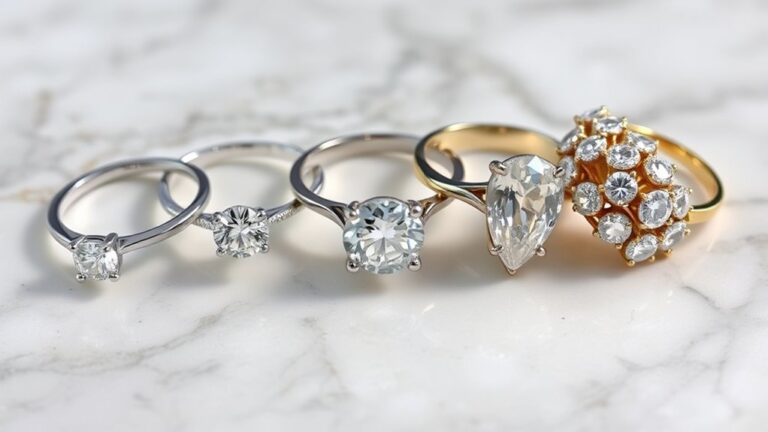
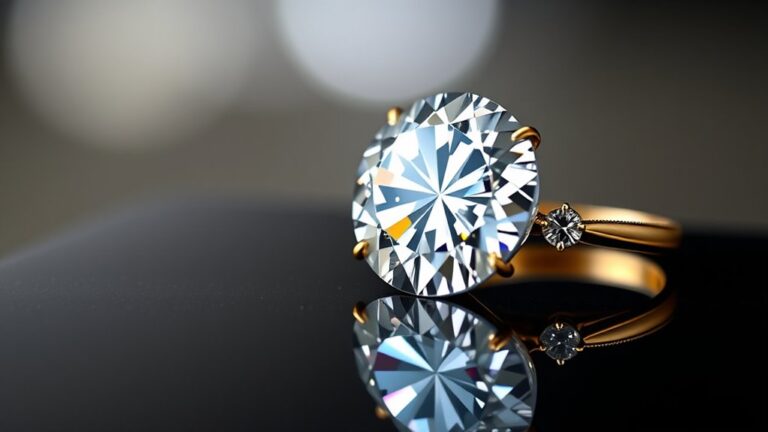
Knowing what drives engagement ring prices helps you weigh your options between classic solitaire styles and custom designs. Classic solitaire rings typically feature a single diamond on a simple band, making them more affordable due to their straightforward design and production.
If you prefer timeless elegance without a hefty price tag, a classic solitaire might be your best bet.
On the other hand, custom designs offer a unique, personalized touch but often come with higher costs. You’ll pay more for the labor, creativity, and specialized craftsmanship involved.
Custom rings allow you to tailor every detail, from the setting to the cut, but be prepared for a wider price range. Ultimately, your choice depends on whether you prioritize tradition and budget or individuality and exclusivity.
How Engagement Ring Materials Affect Price
When you’re budgeting for an engagement ring, it’s important to think about how different metals like gold, platinum, or silver can impact the price. Each metal has its own cost, so your choice will make a difference.
And don’t forget about the gemstone! The type you pick really affects the cost too. Diamonds usually come with a higher price tag compared to other options.
But here’s the good news: you can also explore alternative materials. These can help you find a stunning ring that fits nicely within your budget. So, there are plenty of ways to get something beautiful without overspending.
Popular Metal Choices
Choosing the right metal for your engagement ring can greatly impact your overall budget. Your choice affects durability, maintenance costs, and style, so weigh these factors carefully.
Here’s a quick look at popular metal options:
- Platinum durability: Known for strength and hypoallergenic properties, but it often costs more.
- Gold popularity: Classic and versatile; available in yellow, white, and rose gold, thanks to metal alloying.
- Silver affordability: Budget-friendly, though less durable and requires more upkeep.
- Rose gold aesthetics: Trending for its warm hue and romantic appeal, aligning with current fashion trends.
Consider alternative metals for ethical sourcing and unique looks. Ultimately, your personal preference combined with these factors will guide the perfect metal choice for your ring.
Gemstone Impact On Cost
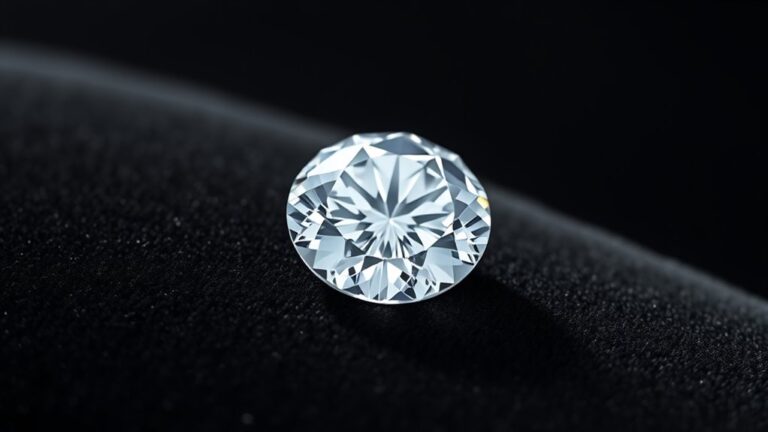
The metal you pick sets the foundation, but the gemstone you select often has the biggest impact on your ring’s price. When choosing a gemstone, both rarity and clarity greatly influence cost.
Rare gemstones like sapphires, emeralds, or fancy-colored diamonds typically command higher prices than more common ones. Furthermore, gemstone clarity matters; stones with fewer inclusions and blemishes are more valuable and visually stunning.
You’ll notice that even within the same type of gemstone, clarity can cause significant price variation. If you want a high-quality stone without breaking the bank, consider balancing rarity with clarity.
Ultimately, understanding how these factors affect cost helps you pick a gemstone that fits your budget while still dazzling on your special day.
Alternative Material Options
Exploring alternative materials can open up a range of budget-friendly options for your engagement ring. Choosing beyond traditional diamonds lets you find something unique and affordable without sacrificing style. Consider these popular alternatives:
Lab grown diamonds offer the same sparkle as natural ones but at a lower cost. Moissanite options provide brilliant fire and durability, often at a fraction of diamond prices. Vintage rings bring charm and history, often featuring unique settings you won’t find new. Alternative gemstones like sapphires or emeralds add color and personality while fitting various budgets.
You can also opt for sustainable choices that reduce environmental impact. By exploring these materials, you’ll find a ring that suits your style and budget perfectly.
Where to Buy Engagement Rings That Fit Your Budget
Where can you find engagement rings that won’t break the bank? Start by exploring online retailers; they often offer a wide range of styles at competitive prices, plus seasonal sales that can save you a bundle.
Don’t overlook local jewelers either. They might provide custom designs tailored to your budget and emphasize ethical sourcing.
If you’re drawn to unique pieces, check out vintage options or designer brands, which can sometimes be surprisingly affordable. Many sellers also offer financing options, letting you spread out payments without stressing your finances.
Money-Saving Tips for Engagement Rings Without Sacrificing Quality
Although you want to stay within budget, you don’t have to settle for less quality when choosing an engagement ring. By exploring affordable alternatives and budget-friendly settings, you can find a stunning ring without overspending.
Staying within budget doesn’t mean settling for less quality when selecting an engagement ring.
Here are some money-saving tips to take into account:
- Opt for lab-grown diamonds or gemstones, which offer brilliance at a lower price.
- Choose simpler band designs or budget-friendly settings that highlight the center stone without extra cost.
- Think about alternative stones like moissanite or sapphires for durable, beautiful options.
- Shop during sales or from reputable online retailers who offer competitive pricing.
With these strategies, you’ll secure a beautiful engagement ring that reflects your commitment and respects your budget.
Hidden Costs to Watch for When Buying Engagement Rings
Three hidden costs can quickly inflate the price of your engagement ring if you’re not careful. Beyond the sticker price, hidden fees like engraving or resizing can add up. Don’t forget insurance costs either, which protect your investment but aren’t included in the initial price. Shipping and certification fees may also sneak into your final bill.
Here’s a quick look at common hidden costs:
| Hidden Cost | What to Expect |
|---|---|
| Engraving Fees | $20 – $100 |
| Resizing Fees | $40 – $150 |
| Insurance Costs | 1-2% of ring value annually |
| Certification Fees | $50 – $200 |
Being aware of these helps you budget smarter and avoid surprises when buying your perfect ring.
Financing vs. Paying Upfront: What’s Best for Your Ring?
How you pay for your engagement ring can impact both your budget and peace of mind. Choosing between financing options and upfront payments depends on your financial situation and goals.
Your payment method for an engagement ring affects both your finances and overall peace of mind.
Financing lets you spread out costs but might include interest, increasing the total price. Upfront payments mean no added fees and full ownership immediately, but require a larger sum at once.
Consider these factors when deciding:
- Interest rates and loan terms with financing options
- Your current savings and cash flow for upfront payments
- Potential impact on your credit score when financing
- How comfortable you feel managing monthly payments versus a one-time expense
Weigh these points carefully to pick the method that suits your budget and keeps your engagement stress-free.
Which Engagement Ring Features Should You Prioritize?
Once you decide how to handle payment, the next step is to focus on the ring itself. Prioritize features that match your partner’s style and lifestyle. Cutting styles greatly impact the ring’s sparkle and price. Classic rounds maximize brilliance, while unique cuts like princess or cushion offer personality.
Consider durability too, since some cuts show wear more easily. Ring settings affect both aesthetics and security. A solitaire setting highlights the center stone, while halo or pavé settings add extra sparkle.
If your partner leads an active life, opt for sturdy settings like bezel that protect the stone. Balance these features within your budget, focusing on what matters most to your partner’s taste and everyday comfort. This way, you’ll choose a ring that’s both beautiful and practical.
Frequently Asked Questions
How Do Cultural Traditions Influence Engagement Ring Choices?
You’ll notice cultural symbolism heavily influences engagement ring choices, guiding the style and gemstone selection. In some cultures, specific stones or colors hold special meanings, so you might pick a ring that reflects those values.
Regional preferences also play a role, as certain designs or metals are favored in different areas. By understanding these traditions, you can choose a ring that respects heritage while matching personal taste perfectly.
What Are the Most Popular Engagement Ring Styles Worldwide?
Oh, you’ll definitely want to pick the most popular engagement ring style because nothing says true love like following the crowd, right? Classic settings like solitaires and halo rings steal the spotlight worldwide, offering timeless elegance.
But don’t worry, modern designs with sleek lines and unique stones are also winning hearts. Whether you choose tradition or trend, your ring’s style says a lot—just maybe not as much as your love does.
How Long Does It Typically Take to Get a Custom Engagement Ring Made?
It typically takes 4 to 8 weeks to get a custom engagement ring made. Custom design timelines depend on factors like the complexity of your design and ring material considerations, such as whether you’re using platinum, gold, or alternative metals.
Some materials may require longer crafting or sourcing times. If you want something unique, plan ahead and communicate clearly with your jeweler to guarantee your custom ring arrives right when you need it.
Can Engagement Rings Be Insured Separately From Other Jewelry?
Yes, you can insure your engagement ring separately from other jewelry. Many insurers offer ring insurance with specific policy options tailored to cover loss, theft, or damage.
What Are the Ethical Considerations When Choosing Diamond Sources?
When choosing diamond sources, you need to prioritize sustainable sourcing to reduce environmental impact. Opting for lab diamonds guarantees conflict-free gems without the ethical concerns tied to traditional mining.
If you prefer natural stones, look for certifications assuring ethical mining practices that protect workers and communities. Being mindful of these factors helps you make a responsible choice, supporting fair labor and minimizing harm to the planet while celebrating your engagement.
Conclusion
When choosing your engagement ring, think of it as planting a garden. Nurture what matters most, and watch your love bloom without overwatering your budget.
By balancing quality with smart spending, you’ll find a ring that sparkles with meaning, not just price. Remember, the brightest gems aren’t always the costliest.
Thoughtful choices will let your commitment shine beautifully for years to come. Keep your heart and wallet happily aligned when considering how much people spend on engagement rings.