What Are Precious Gemstones and How to Identify Them
Many people struggle to confidently identify precious gemstones, especially with so many options and imitations out there. If you’ve ever felt overwhelmed trying to choose or evaluate these beautiful stones, you’re not alone.
Understanding what makes a gemstone truly precious can make all the difference when buying or caring for them.
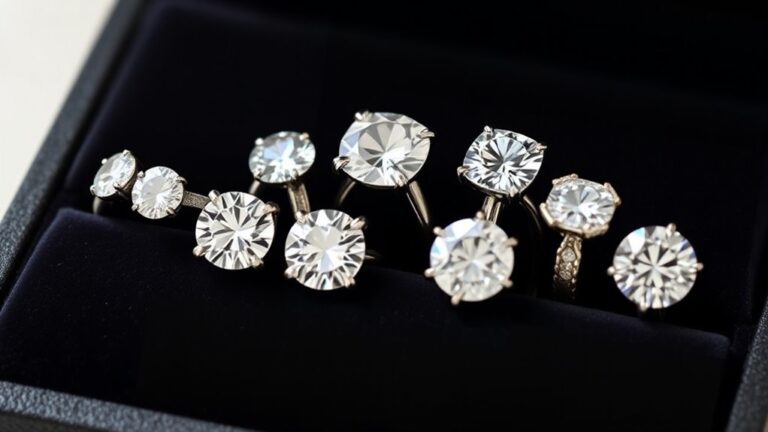
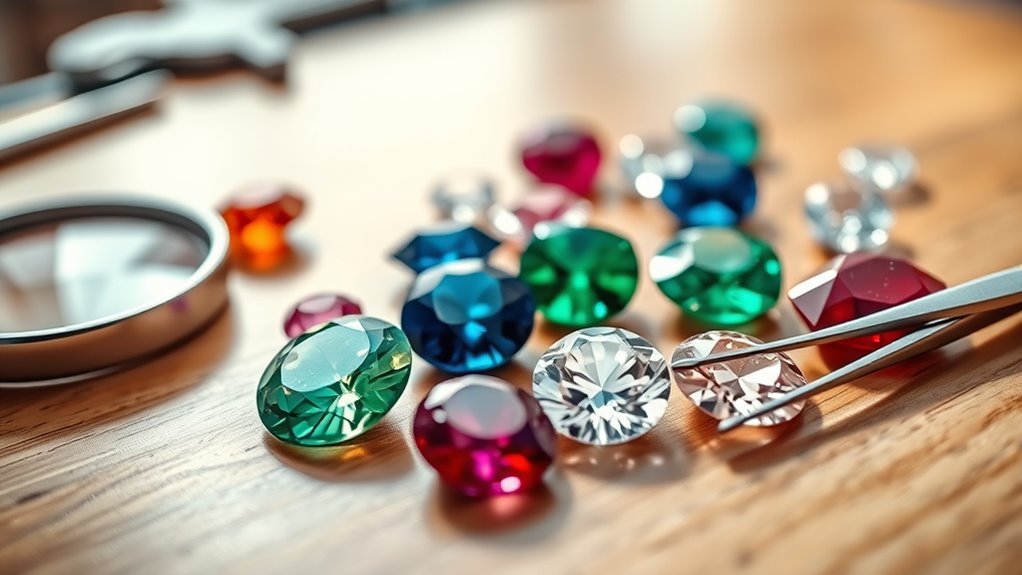
You’ll recognize precious gemstones by their rarity, vibrant colors, and clarity, which make them highly valuable. Classic stones like diamonds, rubies, sapphires, and emeralds stand out for their unique hues and exceptional durability.
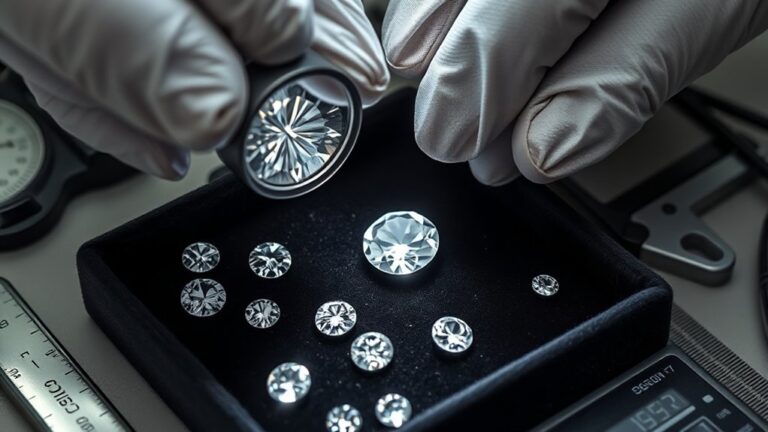
To identify them, check for even color saturation, minimal inclusions, and expert cuts that improve sparkle. Using tools like a loupe helps spot natural versus synthetic features.
Keep exploring to uncover ways to evaluate, buy, and care for these stunning gems.
Key Takeaways
- Precious gemstones are rare, high-quality stones like diamonds, rubies, and sapphires. They’re valued for their scarcity and historical significance.
- Identification relies on key traits such as color saturation, clarity, cut, and carat weight. These help determine a gemstone’s value and authenticity.
- Natural precious stones show subtle color zoning and inclusions. On the other hand, synthetics have uniform color and distinctive growth patterns.
- Use tools like magnification, spectroscope, and refractometer to inspect inclusions, detect treatments, and confirm gemstone authenticity.
- Always verify gemstone certification and ethical sourcing when buying. This ensures you get genuine, high-quality precious gemstones.
What Makes a Gemstone Precious or Semi-Precious
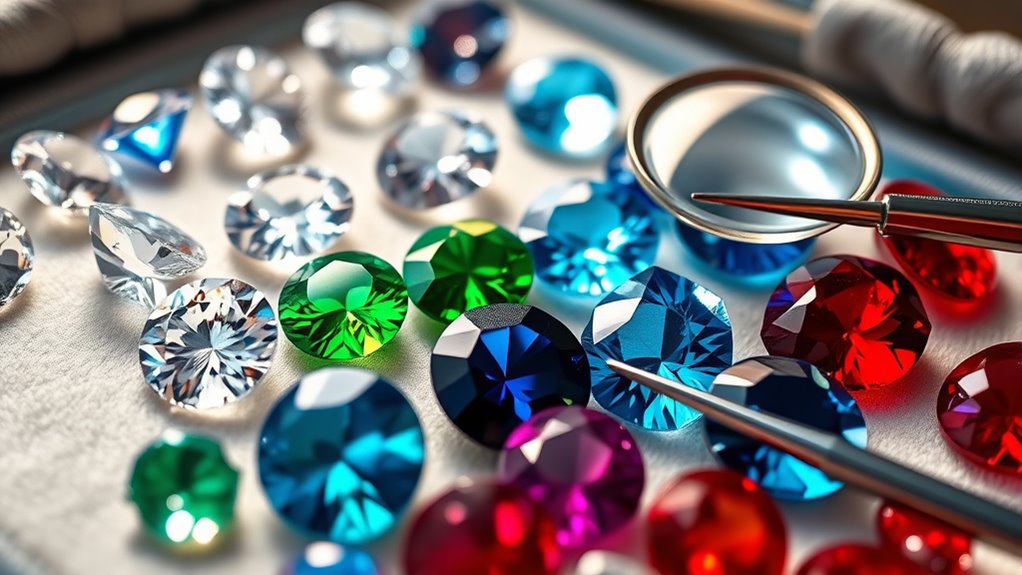
The distinction between precious and semi-precious gemstones often confuses many people, but it mainly comes down to rarity, quality, and historical value. When you consider gemstone rarity, precious stones are typically much scarcer in nature, making them more valuable and sought after. Their limited availability often boosts their appeal and price.
Historical significance also plays a role. Precious gemstones have been treasured throughout history, symbolizing wealth, power, and status in many cultures. On the other hand, semi-precious stones, while still beautiful and valuable, are generally more abundant and don’t carry the same weight of historical prestige.
The Four Classic Precious Gemstones
You’ll want to start by recognizing the unique characteristics that set each of the four classic precious gemstones apart. Knowing how to identify a ruby or spot the versatility of sapphires can really make all the difference. So, let’s dive in and see what makes diamonds, rubies, and sapphires stand out in the world of gems.
Diamond Characteristics
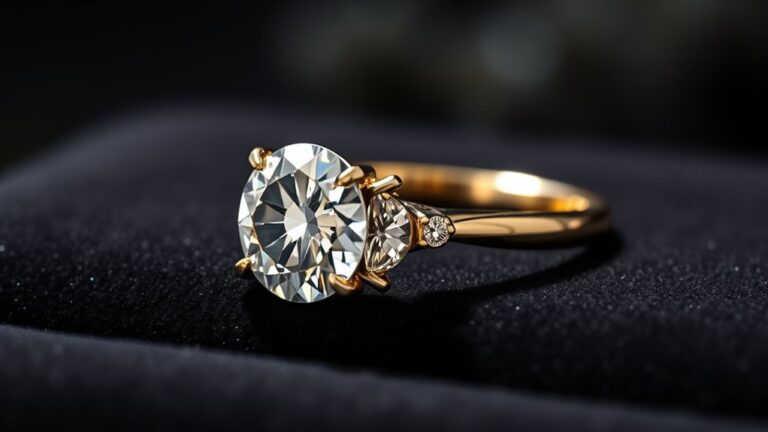
Diamonds enchant with their unmatched brilliance and durability, making them a standout among the four classic precious gemstones. When you examine a diamond, its sparkle, known as diamond brilliance, immediately draws your eye.
This brilliance results from how light reflects and refracts inside the stone, creating a dazzling play of fire and scintillation. Understanding diamond origins helps you appreciate their rarity; most come from deep within the Earth’s mantle, formed under intense pressure and heat over billions of years.
As you identify a diamond, focus on clarity, cut, color, and carat weight, the “Four Cs” that determine value and beauty. Keep in mind, diamonds are incredibly hard, scoring a 10 on the Mohs scale, which adds to their lasting appeal and use in fine jewelry.
Ruby Identification Tips
How can you tell a ruby apart from other gemstones? Start by focusing on the ruby color. It ranges from vivid red to slightly purplish hues. The most prized rubies show a rich, vibrant red known as “pigeon’s blood.”
Next, examine ruby clarity. Unlike diamonds, rubies often have inclusions, but too many can lower their value. Look for natural features called “silk” that can actually improve the gem’s appearance by diffusing light.
You’ll also notice rubies have a hardness of 9 on the Mohs scale, making them quite durable. When identifying, check for these characteristics under good lighting and avoid stones that appear overly perfect or synthetic.
Understanding these ruby identification tips helps you confidently recognize genuine rubies among other precious gemstones.
Sapphire Versatility
A sapphire offers incredible versatility among the four classic precious gemstones, making it a favorite for many jewelry lovers. You’ll find sapphires are not just blue; they come in various colors, thanks to their unique sapphire origins deep within the earth’s crust.
This wide color range lets you choose a sapphire that perfectly fits your style or meaning. When you wear a sapphire, you tap into its rich sapphire symbolism, which represents wisdom, loyalty, and nobility.
Whether set in rings, necklaces, or earrings, sapphires adapt beautifully to different jewelry styles, from vintage to modern. So, if you want a gemstone that’s both meaningful and flexible, sapphires give you endless options without compromising on beauty or significance.
Why Color Makes Precious Gemstones Valuable
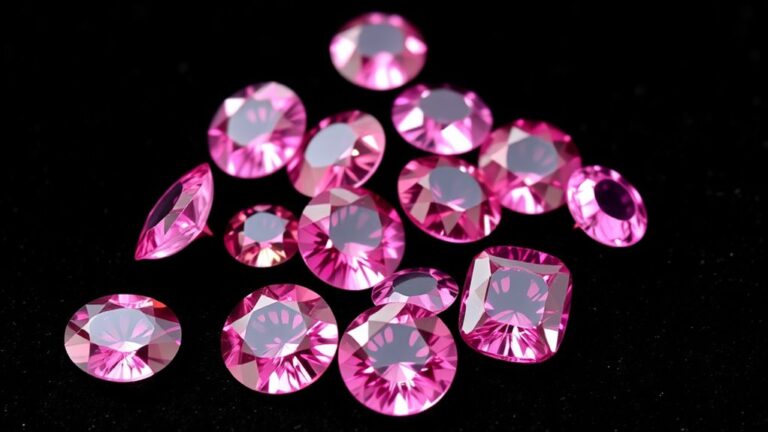
Although many factors influence a gemstone’s worth, color often plays the most essential role in determining its value. When you choose a precious gemstone, you’ll notice that color saturation and hue impact how much it’s worth.
Color symbolism also adds emotional and cultural value, making certain colors more desirable. Vivid, evenly saturated colors usually fetch higher prices, while dull or uneven tones lower a gem’s appeal.
| Color | Symbolism | Saturation Level |
|---|---|---|
| Red | Passion, Power | High saturation preferred |
| Blue | Calm, Trust | Deep, vivid tones |
| Green | Growth, Wealth | Rich, vibrant hues |
| Yellow | Happiness, Energy | Bright, intense |
| Purple | Royalty, Luxury | Strong saturation |
Understanding color helps you identify valuable gemstones quickly.
How Clarity Affects Precious Gemstone Quality
You’ll find that clarity grading plays a key role in evaluating a gemstone’s quality. When you understand how inclusions and blemishes affect a stone, you can better judge its true value. So, let’s take a closer look at how clarity impacts what you pay for precious gemstones.
Clarity Grading Importance
Clarity plays an essential role in determining the overall quality and value of a precious gemstone. Understanding clarity grading helps you appreciate a gem’s purity and improves your clarity perception. This makes it easier to spot flaws or inclusions. The significance of clarity lies in how these imperfections affect the gem’s brilliance and transparency.
When evaluating clarity, consider these three key points:
- Inclusion visibility – How easily can you see internal flaws without magnification?
- Location and size – Are inclusions near the surface or center, and how large are they?
- Impact on brilliance – Do imperfections interfere with light reflection and sparkle?
Impact On Gem Value
Understanding how clarity influences a gemstone’s value helps you make smarter choices when buying or evaluating precious stones. Clarity is one of the key gem valuation factors, directly impacting a stone’s appearance and rarity.
When a gemstone has fewer inclusions or blemishes, it looks cleaner and more brilliant, which boosts its desirability. High clarity stones meet strong market demand, often commanding higher prices because collectors and buyers prefer gems that showcase maximum brilliance and transparency.
On the other hand, visible inclusions can reduce a gem’s appeal and lower its value, even if other qualities like color or cut are excellent. By focusing on clarity alongside other factors, you can better assess a gemstone’s true worth and avoid overpaying for less valuable stones.
How Cut and Shape Impact Precious Gemstones
Although the quality of a precious gemstone largely depends on its natural properties, the cut and shape you choose can dramatically influence its brilliance, color, and overall appeal. Understanding cut techniques and shape significance helps you select a gemstone that maximizes its beauty.
Here’s how cut and shape impact gemstones:
- Cut Techniques: Precision in cutting affects light reflection, enhancing sparkle and depth.
- Shape Significance: Different shapes, like round, oval, or princess, highlight distinct color intensities and suit various jewelry styles.
- Symmetry and Proportions: Well-balanced shapes and symmetrical cuts prevent dullness, ensuring the gemstone catches light from every angle.
Why Carat Weight Matters for Precious Gemstones
Carat weight plays a crucial role when you’re choosing a precious gemstone, as it directly affects the stone’s size, value, and visual impact. Understanding carat significance helps you make informed decisions, especially since two gems with similar dimensions can have different weights due to density variations.
When you do a weight comparison, you’ll notice that a higher carat weight usually means a larger, more impressive stone, but it also increases the price considerably. Keep in mind that carat weight isn’t the only factor; clarity, color, and cut matter too. But it’s often the easiest way to gauge a gemstone’s worth at a glance.
How to Spot Synthetic and Treated Gemstones
You’ll want to start by looking for visual clues and inclusions that can reveal if a gemstone is synthetic or treated. It’s all about training your eye to spot those subtle differences. Understanding common treatment techniques also helps because these improvements might affect the gem’s value. And finally, using the right testing methods and tools is key to making sure you identify gemstones accurately every time.
Visual Clues And Inclusions
When examining gemstones, paying close attention to visual clues and inclusions can help you distinguish natural stones from synthetic or treated ones. First, use color identification carefully. Natural gems often show subtle color zoning, while synthetics tend to have uniform hues.
Second, observe light reflection. Natural stones scatter light unevenly due to internal structures, whereas treated or synthetic stones may reflect light too perfectly.
Third, look for inclusions under magnification. Natural gemstones typically contain tiny mineral or gas inclusions, while synthetics may have curved growth lines or bubbles.
Common Treatment Techniques
Although synthetic and treated gemstones can look stunning, knowing common treatment techniques helps you identify them more easily. Many gemstones undergo treatment processes like heat treatment, irradiation, or dyeing to improve color and clarity.
These gemstone improvements enhance appearance but can affect value and durability. For example, heat treatment is widespread for sapphires and rubies, intensifying their natural hues. Dyeing can add color to porous stones like turquoise, while fracture filling improves clarity by filling cracks with glass-like substances.
Synthetic gems, created in labs, often mimic natural ones but may show telltale signs like uniform color or unusual inclusions. By understanding these treatment processes, you can better spot treated or synthetic gems and make informed choices when buying or evaluating precious stones.
Testing Methods And Tools
Uncovering whether a gemstone is synthetic or treated requires using specific testing methods and tools that reveal clues hidden to the naked eye. You’ll need reliable identification techniques and testing equipment to make accurate assessments. Here are three essential approaches:
1. Magnification Inspection
Use a jeweler’s loupe or microscope to spot inclusions or growth patterns that indicate synthetic origins or treatments.
2. Spectroscope Analysis
This tool examines light absorption, helping you detect dyes, coatings, or synthetic materials.
3. Refractometer Testing
Measuring the gemstone’s refractive index can distinguish natural stones from synthetics or treated counterparts.
How to Inspect Precious Gemstones With a Loupe
A jeweler’s loupe is an essential tool for inspecting precious gemstones closely and accurately. When you use loupe techniques, hold the loupe about an inch from the gemstone and bring your eye close to the lens. This setup lets you spot tiny inclusions, surface scratches, or any treatments that affect value.
Rotate the stone slowly to catch different angles and lighting, which reveal internal features and clarity. During gemstone inspection, focus on details like color consistency, cut quality, and any chips or fractures. Avoid touching the stone with your fingers to keep it clean.
Mastering these loupe techniques helps you assess authenticity and condition, making your gemstone evaluation more reliable and informed.
Tips for Buying Precious Gemstones Safely
When you’re buying precious gemstones, taking careful steps can protect you from scams and poor-quality stones. To make a smart purchase, follow these tips:
- Request gemstone certification: Always ask for a credible lab report verifying the stone’s authenticity, quality, and origin. This guarantees you’re getting what you pay for.
- Verify ethical sourcing: Choose sellers who provide transparency about where and how their gemstones are mined. Ethical sourcing supports fair labor practices and environmental responsibility.
- Buy from reputable dealers: Stick to well-known jewelers or dealers with positive reviews and clear return policies. Avoid impulse buys or sellers without a physical presence.
How to Care for Your Precious Gemstones
Caring for your precious gemstones requires consistent attention to keep their beauty and value intact. Start with proper gemstone cleaning. Use mild soap, warm water, and a soft brush to gently remove dirt and oils. Avoid harsh chemicals and ultrasonic cleaners unless you’re sure they’re safe for your specific stone.
After cleaning, dry your gemstones thoroughly to prevent moisture damage. For storage tips, keep each gemstone separate to avoid scratches. Use soft pouches or lined jewelry boxes.
Store your gemstones away from direct sunlight and extreme temperatures, as these can cause fading or damage. Regularly inspect your jewelry for loose settings and get professional maintenance when needed.
Frequently Asked Questions
What Historical Significance Do Precious Gemstones Hold?
Precious gemstones have held incredible historical significance, often symbolizing power and wealth. You’ll find that their historical uses include royal adornments, where kings and queens showcased these gems to display status and authority.
They’ve also been used in religious artifacts and as talismans for protection or luck. When you understand this, you see how gemstones shaped cultural traditions and influenced art, politics, and society throughout history.
How Do Cultural Beliefs Influence Gemstone Value?
You might be surprised that over 60% of buyers consider cultural symbolism when choosing gemstones. Cultural beliefs deeply influence gemstone value by attaching meanings and powers through gemstone folklore.
For example, in many cultures, rubies symbolize passion and protection, boosting their worth. When you understand these stories, you see how traditions shape demand and price, making gemstones not just beautiful but rich with cultural significance that directly impacts their market value.
What Are the Environmental Impacts of Gemstone Mining?
You’ll find that gemstone mining often causes deforestation, water pollution, and habitat destruction. However, sustainable mining practices can help reduce these environmental impacts by minimizing waste and using eco-friendly techniques.
You can support ecological restoration efforts, which focus on rehabilitating mined areas to restore biodiversity and soil health. By choosing gemstones sourced through responsible mining, you’re encouraging the industry to protect the environment while still enjoying beautiful gems.
Can Gemstones Have Healing or Metaphysical Properties?
You’ve probably heard that gemstones can work wonders, and many believe they do. People say their healing properties help balance emotions and promote wellness.
Through metaphysical beliefs, gemstones are thought to influence chakra alignment and elevate energy vibrations within your body. While science hasn’t proven these effects, if you’re open to it, using gemstones might just be the cherry on top to boost your spiritual journey and inner peace.
How Do Market Trends Affect Gemstone Prices Over Time?
Market trends directly impact gemstone prices by influencing supply dynamics and demand fluctuations. When demand surges for a rare gemstone, prices usually rise because supply can’t keep up.
Conversely, if supply increases or demand drops, prices tend to fall. You’ll notice trends shift with fashion, economic changes, or new findings. So, staying informed helps you predict price movements and make smarter gemstone investments over time.
Conclusion
Now that you know what makes precious gemstones truly sparkle, you’re basically a gem guru! With your loupe in hand, you’ll spot fakes faster than a speeding bullet and pick colors that dazzle like a supernova.
Caring for these beauties? You’ll treat them like royalty because, honestly, they deserve nothing less. So go ahead, buy smart, shine bright, and let your precious gemstones make you the star of every room you enter!