What Is the Best Clarity for a Diamond?
Choosing the best clarity for a diamond can feel overwhelming. You want a stone that looks stunning without breaking the bank, but sorting through all the grades and terms? Many people struggle with this, so you’re not alone.
Finding that perfect balance between beauty and value is key.
The best clarity for a diamond balances near-flawless beauty with smart value, usually falling between VS1 and SI1 grades. You’ll find VS1 offers very minor, nearly invisible inclusions, while SI1 often appears clean to the naked eye at a more affordable price.
These grades deliver excellent sparkle without overpaying.
Depending on your ring setting and budget, you can choose clarity that looks stunning and suits your style. There’s more to evaluate to make the perfect choice.
Key Takeaways
- The best clarity for a diamond balances minimal visible inclusions with budget. Typically, this ranges from VS1 to VS2 for an excellent eye-clean appearance.
- Flawless (FL) and Internally Flawless (IF) diamonds offer unmatched brilliance but come with a much higher price tag.
- SI1 and SI2 diamonds can appear eye-clean and offer great value, especially when inclusions are well-hidden or small.
- Cut quality and sparkle often impact overall beauty more than minor clarity differences within VS and SI grades.
- Ring settings like halo or bezel can conceal lower clarity inclusions, allowing more flexibility in clarity choice.
What Diamond Clarity Means and Why It Matters
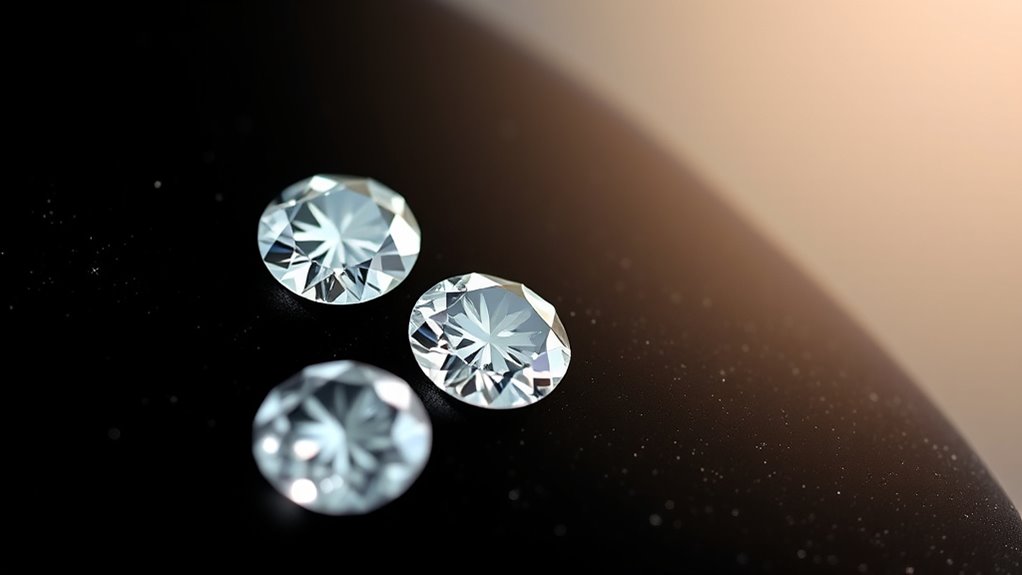
Diamond clarity refers to the presence of internal flaws, called inclusions, and external imperfections, known as blemishes, within a diamond. When you examine a diamond closely, inclusion effects can influence how light passes through, affecting its brilliance and overall appearance.
Your clarity perceptions often shape your preference and budget, as some inclusions are invisible to the naked eye, while others can be noticeable. Understanding these imperfections helps you make an informed choice about which clarity grade suits your needs.
You don’t have to aim for flawless if you want a stunning diamond that fits your style and budget. Recognizing how clarity impacts a diamond’s beauty guarantees you pick one that balances sparkle and value, avoiding surprises after your purchase.
How Diamond Clarity Is Graded
You’ll learn how diamond clarity is graded using a specific scale that identifies different types of inclusions. These little flaws might sound like a bad thing, but understanding them actually helps you see how they impact a diamond’s value.
Clarity Grading Scale
Although clarity might seem complex at first, understanding how it’s graded can help you make a smarter choice when selecting a diamond. The clarity grading scale ranges from Flawless (FL) to Included (I), with several levels in between like Internally Flawless (IF), Very Very Slightly Included (VVS1 and VVS2), Very Slightly Included (VS1 and VS2), and Slightly Included (SI1 and SI2).
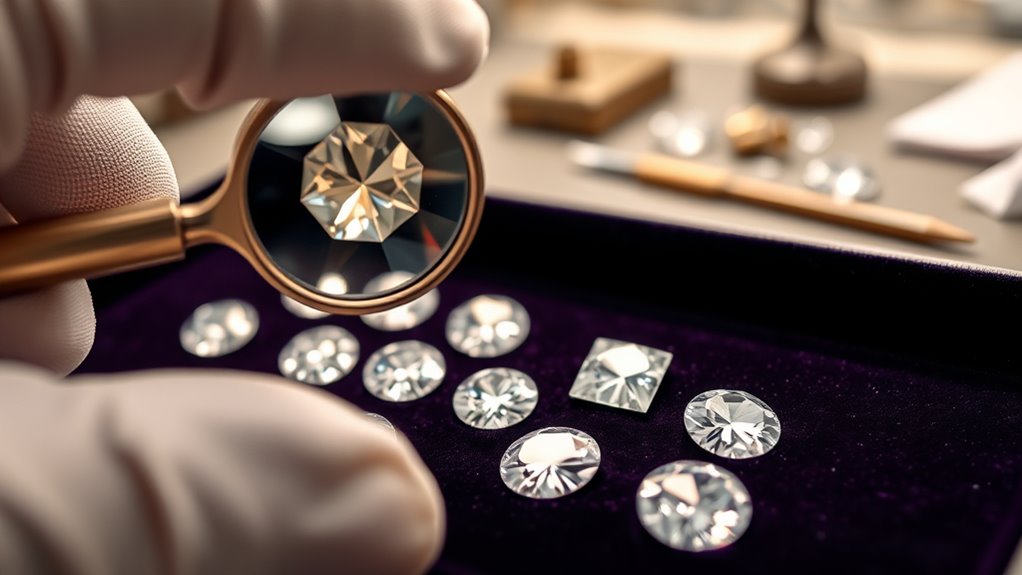
Each grade reflects the visibility and size of internal and external imperfections under 10x magnification. Familiarizing yourself with clarity terminology and grading nuances allows you to evaluate how these characteristics impact a diamond’s appearance and value. This way, you can balance beauty and budget effectively, focusing on clarity grades that suit your preferences without overpaying for nearly invisible inclusions.
Types Of Inclusions
How can you tell what affects a diamond’s clarity the most? It all comes down to the types of inclusions inside the stone. Inclusions are natural imperfections like crystals, feathers, clouds, or needles that form during the diamond’s creation.
Each inclusion type varies in size, color, and location, which influences how visible it is. These inclusion effects impact the diamond’s brilliance and transparency. For example, a small crystal inclusion near the edge may be less noticeable than a large feather in the center.
When graders evaluate clarity, they carefully examine these inclusion types to determine how much they interrupt light and affect overall beauty. Understanding these differences helps you choose a diamond with clarity that meets your expectations.
Impact On Value
Diamond clarity plays an essential role in determining a stone’s value, as it directly affects both appearance and rarity. When clarity is graded, it influences how buyers perceive the diamond’s worth. You’ll notice that:
- Higher clarity grades typically boost value perception, as fewer inclusions mean a more brilliant stone.
- Market trends can shift, sometimes favoring slightly lower clarity grades if they offer better overall cut and sparkle.
- Rarity of the clarity grade also impacts pricing; flawless or internally flawless diamonds command premium prices.
Understanding these factors helps you make informed choices. While clarity matters, balancing it with other qualities guarantees you get the best value for your budget without compromising beauty or brilliance.
How Inclusions and Blemishes Affect Diamond Appearance
You’ll notice that different types of inclusions can change how your diamond looks, especially when you take a closer look under magnification. These tiny imperfections might seem small, but they can actually affect the sparkle and brilliance you want in your stone.
Types Of Diamond Inclusions
Although inclusions and blemishes might seem like minor details, they play a significant role in affecting a diamond’s overall appearance. Understanding the different inclusion types helps you make a more informed choice when selecting a diamond.
Each type influences the diamond’s clarity and beauty in unique ways. Here are common inclusion types and their inclusion effects:
- Crystals or Mineral Inclusions: Tiny crystals trapped inside can look like small spots, sometimes visible without magnification.
- Feathers: These are small cracks or fractures that may affect durability if large but often remain harmless.
- Clouds: Groups of tiny inclusions clustered together, causing a hazy area that can reduce brilliance.
Knowing these inclusion types helps you balance clarity preferences without compromising the diamond’s charm.
Impact On Sparkle
When inclusions and blemishes interrupt the path of light, they can dull a diamond’s sparkle and reduce its brilliance. You’ll notice sparkle differences as these imperfections scatter or block light, directly impacting the diamond’s light performance.
The fewer the inclusions, the more vibrant and lively your diamond appears. Even small blemishes can subtly affect how light travels within the stone, making it less dazzling. Choosing a diamond with higher clarity guarantees you get maximum brilliance and eye-catching sparkle that enchants.
| Clarity Level | Sparkle Impact | Emotional Feeling |
|---|---|---|
| Flawless | Uninterrupted light play | Awe and admiration |
| Slightly Included | Minor sparkle loss | Confident satisfaction |
| Included | Noticeable dullness | Disappointment |
Visibility Under Magnification
Magnification tools reveal the tiny inclusions and blemishes that often go unnoticed by the naked eye but can greatly affect a diamond’s appearance. When you use magnification techniques, you gain a deeper understanding of how these imperfections influence clarity perception. Even minor flaws can alter how light interacts with the diamond, impacting its brilliance.
Here’s what you should consider under magnification:
- Size and location of inclusions, which determine visibility
- Type of blemishes affecting surface smoothness
- How imperfections cluster, influencing overall clarity perception
Which Diamond Clarity Grades Offer the Best Sparkle
Even subtle differences in clarity grades can affect how brilliantly a diamond sparkles. When you compare sparkle across diamonds, you’ll notice that those rated VS2 and higher often deliver exceptional brilliance. This is because their inclusions are so minor they don’t interfere with light performance.
A sparkle comparison reveals that many lower clarity grades, like SI1 or SI2, can still look stunning, especially when inclusions are eye-clean. You shouldn’t buy into common clarity myths that higher clarity always means better sparkle. Cut quality and light interaction play bigger roles.
When to Choose Flawless or Internally Flawless Diamonds
Although flawless and internally flawless diamonds are rare and come with a premium price, you should consider them if you want absolute purity without any visible inclusions under 10x magnification. Choosing flawless diamonds or internally flawless ones makes sense when:
- You want a truly pristine diamond, perfect in clarity.
- You’re investing in a high-value stone that maintains rarity and prestige.
- You desire a diamond that looks impeccable even under expert inspection.
Flawless diamonds have no inclusions or blemishes, while internally flawless diamonds may have minor surface blemishes but no internal flaws. Both guarantee exceptional clarity, making them ideal for collectors or those who prioritize perfection above all else.
If budget allows and purity is your top priority, these grades deliver unmatched brilliance and value.
Why VS1 and VS2 Diamond Clarities Are Great Value
When you want excellent clarity without overspending, VS1 and VS2 diamonds offer the perfect balance of quality and affordability. VS1 advantages include very minor inclusions that are nearly invisible to the naked eye, ensuring your diamond sparkles brilliantly.
This clarity grade gives you peace of mind, knowing your gem looks stunning while maintaining a reasonable price point. On the other hand, VS2 affordability makes it an attractive choice if you want clarity that still appears clean but at a more budget-friendly cost.
With VS2 diamonds, the inclusions are slightly more noticeable under magnification but remain invisible without it. Choosing between VS1 and VS2 means you get impressive clarity and value, making these grades ideal for both everyday wear and special occasions.
How SI1 and SI2 Diamonds Balance Beauty and Price
You’ll want to get a good sense of the clarity characteristics that set SI1 and SI2 diamonds apart before making your choice. These grades strike a nice balance between looking great and being affordable. But keep in mind, some subtle differences can actually change what you notice with the naked eye. So, let’s take a closer look at how to figure out which clarity fits your budget and style best.
Clarity Characteristics Explained
Since clarity affects both a diamond’s appearance and price, understanding SI1 and SI2 grades helps you find the best balance. These grades often include visible inclusion types like small feathers, crystals, or clouds that don’t usually impact sparkle.
It’s easy to fall for clarity myths, such as assuming all inclusions ruin beauty, but many imperfections are nearly invisible to the naked eye. When evaluating SI1 and SI2 diamonds, consider:
- The size, type, and location of inclusions
- How inclusions affect light performance and brilliance
- Trusted grading reports that detail clarity characteristics
Visual Appeal Versus Cost
Although SI1 and SI2 diamonds may contain inclusions, they often deliver excellent visual appeal without the premium price tag of higher clarity grades. When you choose these clarity levels, you get a diamond that looks stunning to the naked eye while keeping cost considerations in check.
The inclusions in SI1 and SI2 stones are usually minor and don’t greatly affect sparkle or brilliance. This balance means you don’t have to sacrifice beauty to stay within your budget. By opting for SI1 or SI2, you maximize value without drawing attention to imperfections.
Choosing Between SI1 And SI2
How do you decide between SI1 and SI2 diamonds when both offer great value? Understanding the balance between SI1 benefits and SI2 drawbacks helps you make an informed choice.
SI1 diamonds typically have inclusions that are harder to spot with the naked eye, offering better visual appeal. On the other hand, SI2 diamonds may have more noticeable flaws, which can affect brilliance if not carefully selected.
Consider these factors:
- SI1 Benefits: Cleaner appearance, slightly higher resale value
- SI2 Drawbacks: Inclusions may be visible, potentially reducing sparkle
- Price Difference: SI2 diamonds usually cost less, making them budget-friendly
Understanding Lower Clarity Grades (I1, I2, I3)
When you investigate lower clarity grades like I1, I2, and I3, you’ll notice these diamonds have visible inclusions that can affect their brilliance and overall appearance. These inclusion types often include large crystals, feathers, or clouds that are easily seen without magnification.
Many people have clarity misconceptions, assuming all inclusions severely diminish a diamond’s beauty. While lower clarity diamonds do show imperfections, some inclusions may be positioned in less noticeable areas, allowing for decent sparkle.
However, it’s important to understand that these visible inclusions can impact durability and light performance. If you’re considering I1 to I3 grades, be certain to carefully examine the diamond in person or through detailed images to verify the inclusions don’t distract from the stone’s overall appeal.
How to Choose Diamond Clarity Based on Your Ring Setting
Choosing the right diamond clarity depends a lot on the ring setting you pick. Your ring design compatibility plays a significant role in how visible inclusions will be. For example, certain setting styles can hide or highlight imperfections, so you want to take setting style factors into account carefully.
Diamond clarity choice hinges on your ring setting, as design impacts how visible inclusions appear.
Here’s how to choose clarity based on your setting:
- Prong settings: Choose higher clarity since the diamond is more exposed, making inclusions easier to spot.
- Halo or pavé settings: You can opt for slightly lower clarity; surrounding stones and metal help mask flaws.
- Bezel settings: These offer great protection and conceal inclusions, allowing you to pick clarity more flexibly.
How to Buy Diamonds That Look Flawless Without Overpaying
Finding a diamond that appears flawless without breaking your budget is all about understanding which clarity grades offer the best visual value. When diamond shopping, many fall for clarity misconceptions, thinking only flawless or internally flawless diamonds look perfect.
In reality, diamonds graded VS1 or VS2 often appear eye-clean, meaning you won’t see inclusions without magnification. These grades give you the best balance of beauty and price. Avoid overpaying for higher clarity grades that won’t visibly improve the diamond’s appearance.
Also, consider the diamond’s cut and setting, as these can mask minor inclusions. By focusing on eye-clean diamonds and knowing common clarity misconceptions, you’ll confidently find a stunning diamond that looks flawless without overspending.
Frequently Asked Questions
How Does Diamond Clarity Affect Resale Value?
Diamond clarity directly impacts your resale value because higher clarity improves clarity perception, making your diamond more appealing to buyers. If you want to maximize returns, focus on resale strategies that highlight your diamond’s clarity grade and certification.
While flawless diamonds fetch top prices, even slight inclusions can lower value. Understanding how clarity affects perception helps you price your diamond competitively and attract serious buyers faster.
Can Diamond Clarity Change Over Time?
It’s a coincidence that many people think diamond clarity changes over time, but that’s a common clarity misconception. You don’t have to worry about your diamond’s internal characteristics shifting; they’re permanent.
However, clarity maintenance matters. You should clean your diamond regularly to keep it sparkling. Dirt or oils can make it seem less clear, but the clarity grade itself won’t change.
Are Lab-Grown Diamonds Graded Differently for Clarity?
No, lab-grown diamonds aren’t graded differently for clarity. You’ll find that clarity evaluation follows the same standards as natural diamonds.
The gem labs assess lab-created characteristics just like natural inclusions, using identical criteria. So, when you’re comparing clarity grades, you can trust the process is consistent.
This means you’re getting a transparent and fair clarity assessment whether the diamond’s lab-grown or natural.
Does Diamond Clarity Impact Durability?
You might think a tiny flaw in a diamond’s clarity could shatter it like glass, but clarity misconceptions often exaggerate durability concerns. In reality, clarity has little to do with how tough your diamond is.
Durability factors focus more on the diamond’s cut, setting, and overall hardness. So, don’t worry about minor inclusions; they won’t make your diamond crumble any faster than a flawless one.
How Does Lighting Affect the Visibility of Inclusions?
Lighting greatly affects how you see inclusion types in a diamond. Different lighting angles can either highlight or hide inclusions, making them more or less visible.
For example, direct light might reveal tiny feather inclusions, while diffused light softens their appearance. When you view a diamond from various angles, some inclusions become more noticeable.
Conclusion
Choosing the best diamond clarity is like finding a star that shines just right in your sky, brilliant but within reach. While flawless diamonds sparkle like untouched snow, SI1 and SI2 grades offer hidden beauty beneath the surface, balancing sparkle and value.
By understanding clarity and your setting’s role, you’ll pick a gem that dazzles your eye and your heart without letting price clouds dim your joy. Your perfect diamond clarity awaits, ready to shine.