What Finger Do Wedding Rings Traditionally Go On?
Choosing the right finger for your wedding ring can feel surprisingly tricky. You’re not alone if you’ve ever wondered, “What finger do wedding rings traditionally go on?” Many people struggle with this question, especially since customs vary widely across cultures and personal preferences.
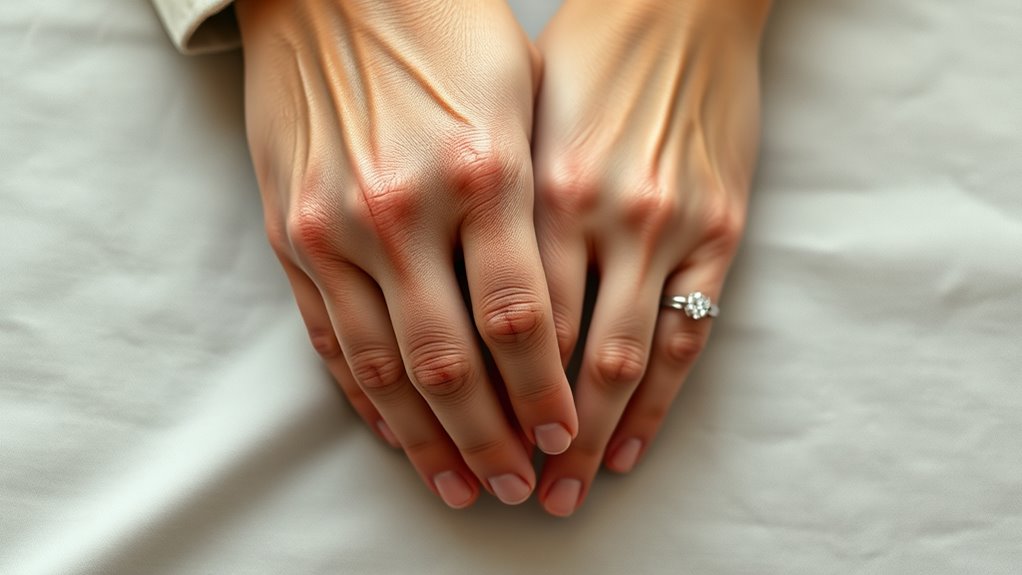
You traditionally wear your wedding ring on the fourth finger of your left hand because it was once thought to have a vein directly connected to the heart.
However, customs vary; some cultures prefer the right hand or other fingers for spiritual or personal reasons. Choosing the finger can depend on your heritage, comfort, and lifestyle.
If you want to investigate how different traditions shape these choices and what other fingers symbolize, there’s plenty more to uncover.
Key Takeaways
- Wedding rings traditionally go on the fourth finger of the left hand in many cultures.
- Some cultures, like Eastern European countries, prefer the right hand for wedding rings.
- The ring finger symbolizes love and commitment because of the old belief in the “vena amoris.”
- Alternative fingers like the index or middle finger may be chosen for cultural or personal reasons.
- Personal comfort, cultural traditions, and lifestyle all influence the choice of wedding ring finger.
Which Finger Is the Wedding Ring Worn On?
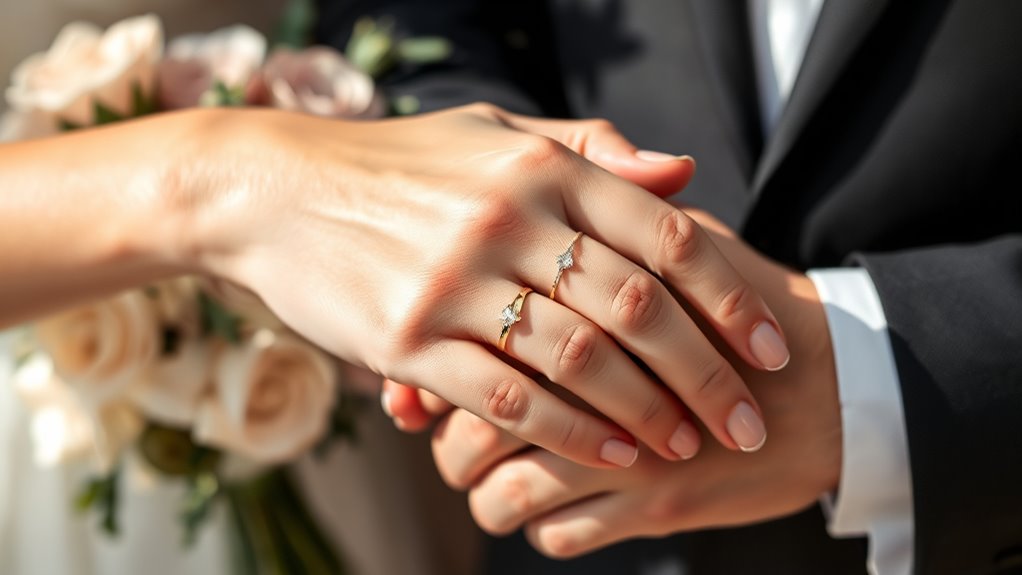
Where exactly should you wear your wedding ring? Traditionally, people wear it on a specific finger, but finger preferences can vary depending on culture and personal choice. The ring symbolism is deeply connected to the finger you select, often reflecting commitment and love.
Most commonly, your wedding ring goes on the fourth finger of your left hand, but some choose the right hand instead. Your decision might depend on family customs, cultural background, or what feels comfortable.
Understanding ring symbolism helps you appreciate why this tradition has endured, but ultimately, your preference matters most. Whether you pick the left or right hand, or even a different finger, your wedding ring’s meaning remains powerful and personal.
Why Is the Fourth Finger of the Left Hand Chosen?
Although customs vary worldwide, the fourth finger of your left hand has long been chosen for wedding rings because of an ancient belief that a vein in this finger, called the “vena amoris” or vein of love, runs directly to the heart. This anatomical belief gave the finger a special symbolic connection to love and commitment.
Over time, this idea gained historical significance, influencing cultures to select this finger as the ideal spot for wedding rings. While modern anatomy disproves the existence of the vena amoris, the tradition endures because it represents a deep emotional bond.
The History of Wearing Wedding Rings on the Ring Finger
You might be curious about how the ring finger ended up as the symbol of love and commitment. Well, it all goes back to ancient cultures that believed there was a special vein running straight to the heart. Because of this idea, over time, people started wearing wedding rings on that particular finger, giving it a deeper cultural meaning.
Origins of Ring Finger
Since ancient times, people have believed the ring finger holds a special connection to the heart. That’s why wedding rings are traditionally worn there. This idea stems from ancient beliefs about an invisible vein, often called the “vena amoris,” thought to run directly from this finger to the heart.
You can appreciate the anatomical significance behind this tradition, even though modern science has disproved the vein’s existence. Still, the symbolism remains strong, linking love and commitment.
| Era | Belief/Practice | Anatomical Reasoning |
|---|---|---|
| Ancient Egypt | Rings on left hand ring finger | “Vena amoris” concept |
| Roman Times | Engagement rings on right hand | Connection to the heart |
| Middle Ages | Left ring finger for marriage | Tradition solidified |
| Renaissance | Use of precious metals | Symbol of eternal love |
| Modern Day | Both hands used globally | Cultural variations |
Cultural Symbolism Evolution
As cultures interacted and evolved, the symbolism behind wearing wedding rings on the ring finger shifted in meaning and tradition. You’ll notice that what started as a belief in a vein connecting this finger directly to the heart gained deeper cultural significance over time.
Different societies adapted this practice, blending it with their own societal norms and values. For instance, in some cultures, the left hand symbolizes love and commitment, while others prefer the right hand to reflect purity or strength.
As you investigate these changes, you’ll see how the ring finger became a universal symbol of marital bonds, yet its interpretation varies widely. Understanding this evolution helps you appreciate the diverse ways people honor love and unity across the world.
Ancient Cultures and Wedding Ring Finger Traditions
Although modern wedding ring traditions feel universal, they actually stem from diverse ancient cultures, each with its own unique practices and beliefs. You’ll find that ancient rituals assigned deep cultural significance to the finger chosen for the wedding ring.
For example, the Romans believed the fourth finger on the left hand contained the “vena amoris,” or vein of love, directly connected to the heart. This ancient ritual symbolized an unbroken bond between partners.
Meanwhile, other cultures placed rings on different fingers to reflect local customs and spiritual meanings. Understanding these ancient rituals helps you appreciate why the wedding ring finger isn’t just a modern convention but a tradition rooted in rich cultural significance handed down through millennia.
Wedding Ring Customs Around the World
You might be surprised at how wedding ring customs change depending on where you are in the world. Different cultures have their own unique traditions. Plus, the finger chosen to wear the ring can vary quite a bit. So, let’s dive in and check out some of these fascinating regional preferences and cultural meanings.
Cultural Ring Traditions
When you investigate wedding ring customs around the world, you’ll find a rich variety of cultural traditions that reflect unique histories and beliefs. Each culture assigns distinct cultural significance to wedding rings, often tied to deep-rooted finger symbolism.
In some societies, the ring finger is believed to have a direct vein to the heart, symbolizing love and commitment. Other cultures may use different fingers to represent marital status or social roles.
These traditions aren’t just about aesthetics; they convey values and relationships important to a community’s identity. Understanding cultural ring traditions helps you appreciate how something as simple as choosing a finger can carry profound meaning, linking personal expression with collective heritage and emotional symbolism in weddings worldwide.
Regional Finger Preferences
Different regions around the world prefer various fingers for wearing wedding rings, each choice reflecting local customs and beliefs. Understanding these regional variations helps you appreciate the cultural significance behind where people wear their rings.
- In many Western countries, including the United States and the UK, the ring is traditionally worn on the fourth finger of the left hand, symbolizing love and commitment.
- In some Eastern European countries like Russia, the right hand’s fourth finger is preferred, highlighting different cultural values.
- In parts of India, the ring often goes on the right hand’s index finger, tied to spiritual beliefs.
- Scandinavian countries sometimes choose the left hand’s middle finger, emphasizing personal meaning over tradition.
When and Why Are Wedding Rings Worn on the Right Hand?
Although many cultures favor the left hand for wedding rings, several traditions place them on the right hand instead. You’ll find this especially true in countries like Russia, Germany, and India, where the right hand holds strong cultural significance.
Wearing the ring on your right hand often symbolizes strength, honor, and fidelity. In some religious contexts, the right hand represents virtue and moral integrity, making it the preferred choice for wedding rings.
When you position your wedding ring on the right hand, you’re embracing these deep-rooted traditions and values. Understanding why the right hand is chosen helps you appreciate the diversity behind this simple yet powerful symbol of commitment and love across different cultures.
What Wearing Wedding Rings on Other Fingers Means
You might notice wedding rings worn on fingers other than the traditional left ring finger. And each choice actually carries its own unique cultural or personal meaning. Different cultures assign significance to various fingers. Meanwhile, some people choose non-traditional fingers just to express their individuality. Knowing these differences helps you appreciate the diverse symbolism behind where people wear their wedding rings.
Cultural Variations Explained
When you notice someone wearing a wedding ring on a finger other than the traditional left ring finger, it often reflects unique cultural meanings or personal preferences. Different regions adopt varied regional practices that highlight the cultural significance of ring placement. Understanding these variations helps you appreciate the diversity behind this tradition.
- In some Eastern European countries, wedding rings are worn on the right hand to symbolize strength and protection.
- Jewish customs often place the ring on the index finger during the ceremony, highlighting specific cultural rituals.
- In India, women may wear wedding rings on the thumb or middle finger, reflecting regional practices rooted in astrology.
- Some cultures allow switching fingers post-ceremony, indicating personal choice over strict tradition.
Recognizing these customs lets you respect the rich cultural tapestry behind wedding ring traditions.
Symbolism Of Different Fingers
The choice of finger for a wedding ring carries its own set of meanings beyond cultural customs. Each finger holds unique finger symbolism that reflects different aspects of relationships and personal identity. For example, wearing a ring on the index finger can symbolize leadership and ambition, while the middle finger often represents balance and responsibility.
The thumb, less common for wedding rings, can indicate individuality and strength. Understanding the cultural significance of these choices helps you appreciate why some opt for non-traditional fingers. The ring finger, traditionally linked to love and commitment due to ancient beliefs about a vein connecting it to the heart, remains the most popular.
However, choosing another finger can convey distinct messages about your values or style, making your ring a personal statement beyond tradition.
Popular Non-Traditional Choices
Although the ring finger remains the classic choice for wedding bands, many people opt for non-traditional fingers to express their individuality or personal values. Choosing non-traditional styles or unique materials on other fingers can make your ring stand out and carry special significance.
Here are some popular non-traditional choices and what they mean:
1. Middle Finger
Symbolizes balance and responsibility, perfect if you want your commitment to feel grounded.
2. Index Finger
Represents leadership and confidence, showing your pride in your relationship.
3. Thumb
Conveys independence and strength, ideal if you want to highlight your personal journey.
4. Pinky Finger
Often linked to creativity and communication, great for those who see marriage as a vibrant partnership.
Wear your ring where it feels most meaningful to you.
Wearing Engagement and Wedding Rings Together
Since you’ll likely wear your engagement and wedding rings together, it’s important to understand how they complement each other both visually and symbolically. Following engagement ring etiquette helps you decide how to stack your wedding band and engagement ring on the same finger without overshadowing either piece.
Typically, the wedding band goes closest to your heart, sitting snugly below the engagement ring. This tradition not only honors symbolism but also guarantees comfort and balance.
When considering wedding band stacking, choose bands that match or complement your engagement ring’s style and metal. This harmony improves your overall look and respects the significance behind each ring.
Practical Tips for Choosing Your Wedding Ring Finger
How do you decide which finger to wear your wedding ring on? Choosing the right finger depends on a mix of tradition, comfort, and your personal preferences. Consider these practical tips to find the perfect fit:
- Assess Comfort: Try different wedding ring styles on various fingers to see what feels best all day.
- Consider Tradition: Reflect on cultural or familial customs that might influence your choice.
- Think About Dominance: If you use one hand more, you might prefer the opposite hand for your ring to avoid damage.
- Plan for Lifestyle: Choose a finger that won’t interfere with daily tasks or hobbies.
How Modern Couples Are Changing Wedding Ring Traditions
While choosing the right finger for your wedding ring often involves tradition and comfort, many couples today are redefining what wedding rings mean and where they’re worn. Modern interpretations allow you to break free from the usual left ring finger placement.
You might decide to wear your ring on the right hand, a different finger, or even as a necklace. This shift reflects your personal preferences rather than strict customs.
Some couples opt for unconventional designs or stack multiple rings to express individuality. Others choose rings that symbolize unique aspects of their relationship.
Ultimately, modern couples prioritize what feels meaningful to them. You don’t have to follow tradition rigidly; you can create a wedding ring practice that truly suits your style and commitment.
Frequently Asked Questions
How Do You Resize a Wedding Ring?
To resize a wedding ring, you’ll typically visit a jeweler who uses different resize techniques like cutting and adding metal or stretching the band. The method depends on your ring’s material and design.
Resizing cost varies based on complexity and metal type but usually ranges from $20 to $100. Always ask for an estimate before proceeding, and remember resizing works best if your ring needs a size adjustment within a couple of sizes.
What Metals Are Best for Wedding Rings?
Good things come to those who choose wisely, especially when picking metals for your wedding ring. While gold alternatives like platinum, palladium, and titanium offer excellent ring durability, gold remains a classic choice.
These metals resist scratches and tarnish better, ensuring your ring looks stunning for years. If you want something durable and unique, consider these alternatives. They’re perfect for daily wear and hold sentimental value just as well as traditional gold.
How Should You Clean and Care for Wedding Rings?
You should clean your wedding ring regularly to keep it sparkling. Use warm water, mild soap, and a soft toothbrush for gentle ring cleaning. Avoid harsh chemicals, which can damage metals and stones.
For maintenance tips, remove your ring during heavy work or swimming to prevent scratches and buildup. Store it in a soft pouch when not wearing it.
Regular professional check-ups help keep your ring in top condition.
Can Wedding Rings Cause Allergies?
Wedding rings can cause allergies like a hidden sting beneath your skin. If your ring contains nickel or other common allergens in its materials, you might experience redness, itching, or rash.
To avoid allergic reactions, choose hypoallergenic wedding ring materials like platinum, titanium, or surgical stainless steel. Always check the metal content before wearing your ring daily, so you don’t suffer discomfort or skin issues from your precious symbol of love.
What Are Popular Wedding Ring Engraving Ideas?
You can choose popular wedding ring engraving ideas like personalized messages that capture your unique love story or meaningful symbols that represent your bond. Many people opt for initials, important dates, or short quotes that resonate with their relationship.
You might also consider symbols like hearts, infinity signs, or cultural motifs. These engravings make your ring truly special, reminding you both of your commitment every time you glance at it.
Conclusion
Think of your wedding ring as a compass, guiding your commitment. Just like ancient Romans believed the fourth finger held a vein straight to the heart, you choose the finger that feels right for you.
Whether tradition or personal meaning leads you, your ring’s placement tells your unique love story. Remember, it’s not just the finger but the promise behind it that truly matters. Your love, like a well-tuned rhythm, keeps your bond strong and steady.
When it comes to wedding rings, traditionally they go on the fourth finger of the left hand. But ultimately, where you wear your ring is a personal choice that reflects your own journey.