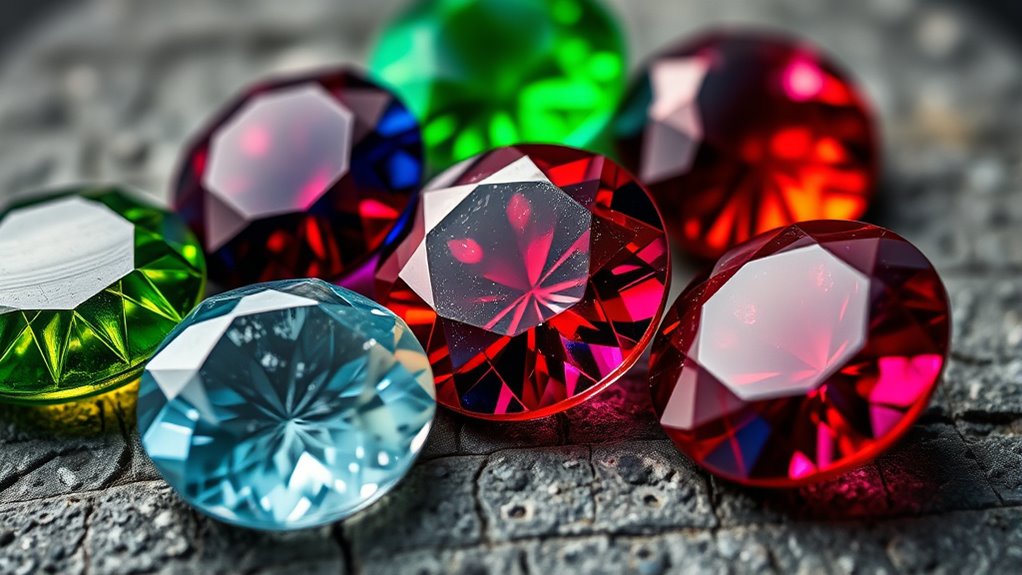
What Are Gemstones Made Of?
Finding the perfect gemstone can feel overwhelming. You want something beautiful and meaningful, but understanding what makes each stone unique isn’t always easy. If you’ve ever felt lost in the sea of options, you’re not alone—many people struggle to grasp what truly sets gemstones apart.
Gemstones are made of minerals, naturally formed crystals with specific chemical compositions like carbon in diamonds or aluminum and oxygen in sapphires. Their unique crystal structures affect how they sparkle and shine.
Heat, pressure, and trace elements like chromium or iron influence their color and clarity, making each stone distinct. You’ll find precious stones like ruby or emerald differ from semi-precious ones in rarity and value.
Keep exploring to uncover what truly sets these gems apart.
Key Takeaways
- Gemstones are made of minerals formed from specific chemical elements under natural geological conditions.
- Most gemstones consist of crystalline structures, with atoms arranged in repeating patterns that influence their properties.
- Pure carbon forms diamonds, while elements like aluminum and oxygen create sapphires. Trace elements affect gemstone colors too.
- Heat, pressure, and natural forces during formation impact gemstones’ color, clarity, and hardness.
- Gemstones are classified by their chemical composition, crystal structure, and physical properties such as hardness and luster.
What Gemstones Are Made Of and Why It Matters
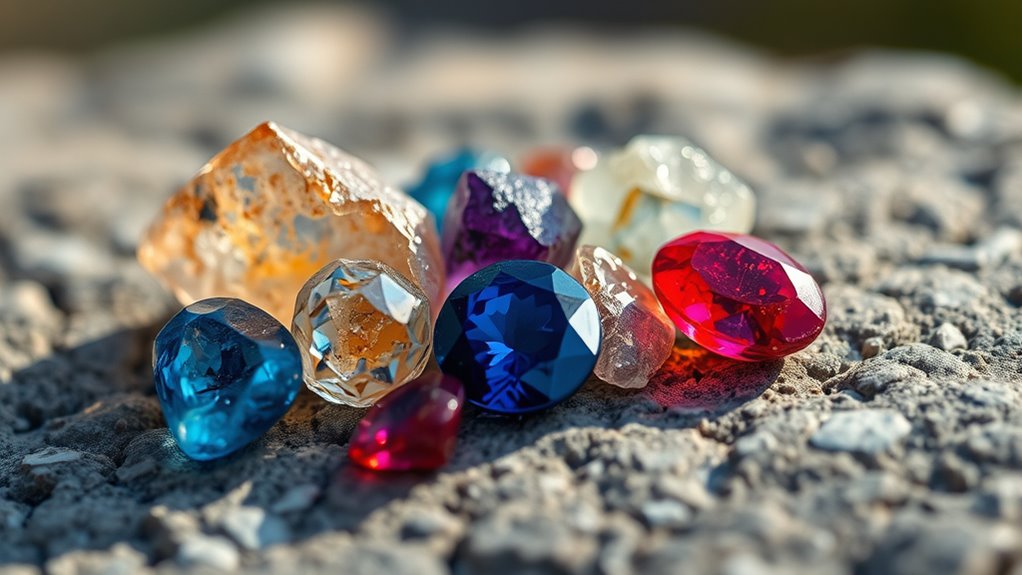
Although gemstones vary widely in appearance, they all share a common foundation: their chemical composition and crystal structure. When you understand what gemstones are made of, you grasp why their value differs so much.
The chemical composition determines a gemstone’s hardness, color, and rarity, which are key factors influencing its value. For example, diamonds are pure carbon arranged in a strong crystal lattice, making them incredibly hard and valuable.
On the other hand, sapphires contain aluminum and oxygen, giving them unique colors and durability. By knowing these basics, you can better appreciate why some stones fetch higher prices and why others are prized for their unique qualities.
This knowledge helps you make informed choices in selecting or valuing gemstones.
How Minerals Form Gemstones
When minerals cool and crystallize under specific conditions, they form the gemstones you see and value. You’ll find that the mineral composition plays an essential role in this process. Different elements combine in unique ways, creating distinct minerals that become various gemstones.
These variations determine the gemstone classification, grouping stones by their chemical makeup and physical properties. For example, quartz and beryl differ in mineral composition, so they belong to separate gemstone classes. Temperature, pressure, and the presence of certain chemicals influence how these minerals crystallize, affecting the color, hardness, and clarity of the gemstone.
Why Crystal Structure Makes Gemstones Beautiful
You’ll notice that the way atoms are arranged in a gemstone creates unique patterns that affect how light moves through it. These atomic structures cause light to bend, reflect, and sparkle in stunning ways. And once you get this, it’s easier to see why the crystal structure is key to a gemstone’s beauty.
Atomic Arrangement Patterns
The atomic arrangement within a gemstone acts like nature’s blueprint, shaping the way light interacts with it and creating its dazzling beauty. When you look closely, you’ll find that atoms in gemstones connect through atomic bonding, forming precise, repeating patterns.
This regularity, known as crystalline symmetry, gives each gemstone its unique shape and internal structure. You might not see these patterns with the naked eye, but they determine the gemstone’s strength, hardness, and how it reflects light.
Light Interaction Effects
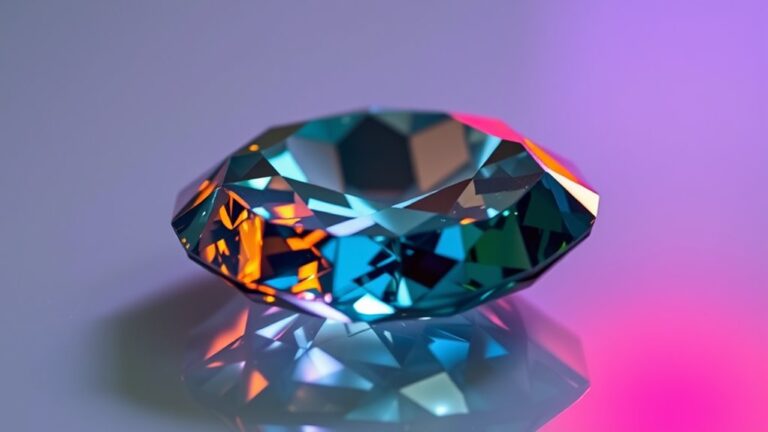
Light dances through gemstones because their crystal structure guides and bends it in distinctive ways. When light enters, it refracts, changing direction as it passes through different atomic arrangements. This light refraction creates the sparkle and fire you see.
Optical phenomena like dispersion split light into vibrant colors, while internal reflections amplify brilliance.
Here’s how different effects occur:
| Optical Phenomenon | Cause |
|---|---|
| Light Refraction | Bending through crystal planes |
| Dispersion | Splitting into spectral colors |
| Internal Reflection | Light bouncing inside gemstone |
You experience the gem’s beauty because these interactions depend on its atomic layout. So, the crystal structure doesn’t just hold the gem together; it actively shapes how light behaves, making each gemstone distinctively enchanting.
How Heat and Pressure Shape Gemstone Qualities
You’ll see how extreme heat and pressure during formation affect a gemstone’s color and clarity. These conditions cause unique variations that make each stone distinct. And that’s why no two gemstones are exactly alike—pretty fascinating, right? Understanding this really helps you appreciate the natural beauty behind every gem.
Formation Under Extreme Conditions
Although gemstones often appear delicate, they actually form deep within the Earth where intense heat and crushing pressure transform raw minerals into dazzling crystals. You’ll find that extreme temperatures play a vital role in this process, driving the chemical reactions needed to rearrange atoms into structured, stable forms.
Geological processes such as tectonic shifts push minerals deeper, exposing them to these intense conditions. As you investigate how gemstones develop, you’ll notice that these harsh environments influence hardness and clarity, key qualities determining a gemstone’s value.
Without this interplay of heat and pressure, the minerals would remain ordinary rocks. So, when you admire a sparkling gem, remember it owes its brilliance to the powerful forces acting silently beneath the Earth’s surface.
Impact on Color Variations
The intense heat and pressure that shape gemstones don’t just affect their structure. They also influence their colors in fascinating ways. As you investigate a gemstone’s hues, you’ll notice how subtle changes in temperature and pressure can create vibrant color variations.
These shifts aren’t random; they’re tied to the gemstone’s chemical makeup and internal conditions during formation. When you hold a richly colored gem, you’re experiencing the result of these natural forces working over millions of years.
Understanding color symbolism helps you appreciate how these colors evoke specific feelings and meanings. For example, deep reds can symbolize passion, while cool blues offer calmness.
The emotional impact of gemstone colors adds a powerful dimension to their beauty, making each stone distinctly enchanting.
Influence on Gemstone Clarity
Because heat and pressure play a crucial role in shaping gemstones, they also directly affect their clarity. When you understand the clarity significance, you see how tightly packed mineral structures reduce inclusions and flaws, making gemstones more transparent.
Variations in heat and pressure can either form tiny fractures or help dissolve impurities, influencing the stone’s overall purity. As you handle gemstones, clarity improvement processes like controlled heating mimic natural conditions to improve transparency and brilliance.
Why Gemstone Color Varies So Much
When you look closely at gemstones, you’ll notice their colors range widely, even within the same mineral type. This variation happens because of several factors:
- Trace Elements: Tiny amounts of elements like chromium or iron change a gemstone’s color drastically.
- Radiation Exposure: Natural radiation can alter the gemstone’s hue over time.
- Crystal Structure: Slight differences in atomic arrangements affect how light interacts with the stone.
- Color Psychology and Cultural Significance: Different cultures value certain colors, influencing how gemstones are perceived and used.
Understanding these reasons helps you appreciate why gemstones aren’t just beautiful but also rich in meaning. Their colors don’t just shine; they speak to emotions and traditions, making each stone distinctly enchanting.
What Makes Some Gemstones Clear and Others Opaque
Although gemstones can dazzle with vibrant colors, their clarity varies just as much, influencing how light passes through them. You’ll notice that clear gemstones allow light to travel freely, creating brilliance and sparkle. This clarity happens because their crystal structures are well-ordered and free of many internal flaws or inclusions.
On the other hand, opaque gemstones block light entirely due to dense internal structures or numerous inclusions that scatter or absorb light. These imperfections prevent light from passing through, giving opaque gemstones a solid, rich appearance.
Understanding this difference helps you appreciate why some gemstones gleam with transparency while others showcase their beauty through color and texture instead of clarity.
How Trace Elements Change Gemstone Appearance
If you want to understand why gemstones show such a wide range of colors, you need to look closely at the tiny amounts of trace elements they contain. These trace elements, though present in minuscule quantities, dramatically influence the appearance of gemstone varieties. Here’s how:
- Iron can turn quartz from clear to smoky or amethyst purple.
- Chromium gives rubies their signature red hue.
- Titanium and iron together create the deep blue of sapphires.
- Copper adds a green or blue tint in gems like turquoise.
Precious vs. Semi-Precious Gemstones Explained
The variety of colors in gemstones comes from their unique compositions, but you might wonder how these stones get classified as precious or semi-precious. Gemstone classification depends largely on rarity factors, durability, and historical value.
Precious gemstones are typically rarer and more durable, making them highly sought after. Semi-precious stones are more abundant but still beautiful and valuable in their own right. Here’s a quick comparison:
| Precious Gemstones | Semi-Precious Gemstones |
|---|---|
| Diamond | Amethyst |
| Ruby | Citrine |
| Sapphire | Garnet |
| Emerald | Topaz |
| High rarity | More common |
Understanding these rarity factors helps you appreciate why certain gemstones hold higher value in the market.
Comparing Synthetic and Natural Gemstone Composition
Two main types of gemstones, synthetic and natural, differ considerably in their composition and origin. When you compare them, several key points stand out:
- Synthetic origins: Created in labs through controlled production methods, synthetic gemstones mimic natural characteristics but often have fewer impurities.
- Natural characteristics: Formed over millions of years, natural gems showcase unique inclusions and color variations.
- Ethical considerations and environmental impacts: Synthetic gems generally have a smaller environmental footprint and avoid mining-related ethical issues.
- Market value and consumer preferences: Natural stones usually hold higher market value due to rarity, while durability differences influence buyer choices.
Understanding these differences helps you make informed decisions based on your values, budget, and desired gemstone qualities.
Key Features to Identify Different Gemstones
You can tell gemstones apart by paying close attention to their color variations, hardness, and how they reflect light. These features reveal a lot about a stone’s identity and quality.
Color Variations
Although gemstones often dazzle with their brilliance, it’s their color variations that truly help you identify and differentiate them. Color plays a crucial role not only in recognition but also in the color symbolism and cultural significance attached to each gem.
When examining gemstones, focus on these key aspects:
- Hue: Notice the dominant color. Ruby’s red differs from sapphire’s blue.
- Saturation: Observe the intensity of the color. Some gems glow vividly, others softly.
- Tone: Check if the color is light, medium, or dark, as this affects value and identity.
- Pleochroism: Look for color changes when you view the gem from different angles.
Hardness And Durability
When identifying gemstones, understanding their hardness and durability is essential because these traits determine how the gem withstands wear and tear. Hardness measures a gemstone’s resistance to scratches, making scratch resistance a key durability factor.
For example, diamonds rate highest on the Mohs scale, so they resist scratching much better than softer stones like opal or turquoise. Durability factors also include toughness and stability, which means how well a gem resists chipping, cracking, or damage from heat and chemicals.
When you know a stone’s hardness and overall durability, you can better judge its suitability for everyday wear or special occasions. This knowledge helps you pick gemstones that stay beautiful longer, maintaining their value and appeal.
Light Reflection
Light reflection plays an essential role in identifying gemstones because it reveals how a stone interacts with light through its surface and internal structure. When you observe a gemstone, you’re witnessing unique optical phenomena resulting from light scattering within the stone. These reflections can help you distinguish one gemstone from another.
Here’s what to look for:
- Luster: How the surface reflects light, whether metallic, glassy, or dull.
- Brilliance: The intensity of light reflected from inside the gemstone.
- Fire: The dispersion of light into spectral colors caused by light scattering.
- Asterism and Chatoyancy: Special light effects that create star or cat’s eye patterns.
Frequently Asked Questions
How Are Gemstones Ethically Sourced and Mined?
You guarantee gemstones are ethically sourced and mined by supporting sustainable mining practices that minimize environmental damage. You look for fair trade certifications, which guarantee miners receive fair wages and work in safe conditions.
What Are the Most Valuable Gemstones in the World?
The most valuable gemstones in the world include diamonds, especially those with exceptional rarity and clarity. You’ll also find colored sapphires highly prized, with rare hues like padparadscha fetching top prices.
Other valuable gems are rubies and emeralds, but diamonds often top the list due to their unmatched brilliance and rarity. If you’re investing or collecting, focusing on these stones can be rewarding because their demand and value remain consistently high.
How Should I Care for and Clean My Gemstones?
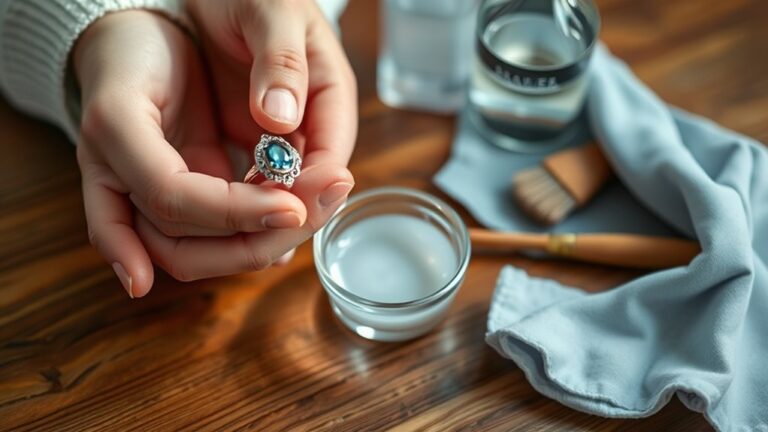
Think of gemstone maintenance like caring for a delicate garden. Neglect it, and it loses its shine. You should clean your gemstones gently using mild soap, warm water, and a soft brush.
Avoid harsh chemicals and ultrasonic cleaners unless you’re sure your stone can handle them. Regular cleaning techniques keep your gems sparkling and prevent dirt buildup.
Can Gemstones Have Healing or Mystical Properties?
Yes, many people believe gemstones have healing or mystical properties. You can use them in energy healing to balance your body’s vibrations and improve well-being.
Crystal rituals often involve meditating with stones or placing them in specific areas to attract positive energy. While science hasn’t proven these effects, trusting your intuition and practicing regularly can help you feel more connected and centered through your gemstones.
How Do Gemstone Cuts Affect Their Value and Appearance?
Gemstone cuts dramatically affect their value and appearance because you’re enhancing how light reflection plays within the stone. When you choose precise cut techniques, you maximize brilliance and sparkle, making the gem more attractive.
Poor cuts can dull its shine, lowering value. So, by understanding different cut styles, you guarantee your gemstone looks stunning and holds higher worth, reflecting light in the best possible way to catch everyone’s eye.
Conclusion
Now that you know gemstones are nature’s dazzling miracles, forged by minerals, heat, and pressure, you see why each one’s unique sparkle tells a story. Just like fingerprints, no two gems are exactly alike, thanks to tiny trace elements and crystal structures.
So, next time you admire a gemstone, remember it’s not just a pretty stone; it’s Earth’s own work of art crafted with patience and power beyond imagination. This is what gemstones are made of—the incredible forces and elements that shape their beauty.