How Many Gemstones Are There and How to Identify Them
If you’ve ever tried to identify gemstones on your own, you know how overwhelming it can be. You’re not alone—many people struggle with distinguishing between the countless types of stones out there.
Whether you’re a collector, hobbyist, or just curious, understanding how to spot different gemstones can feel like a daunting puzzle.
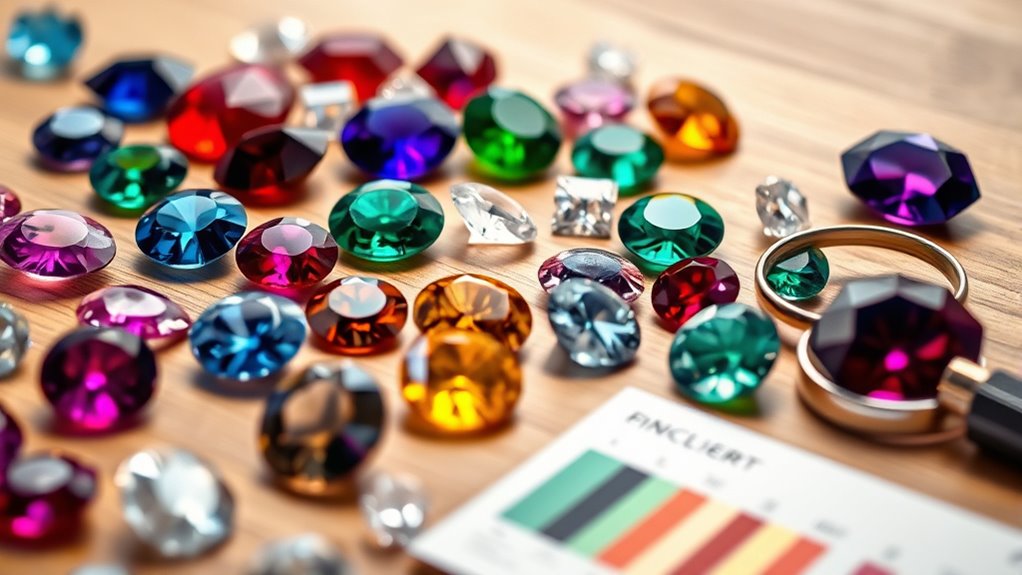
There are over 200 recognized types of gemstones worldwide, each unique in color, clarity, hardness, and cut. You can identify them by examining their color intensity, clarity through magnification, and durability using simple scratch tests.
Natural light helps reveal true colors, while side-by-side comparisons highlight differences. Using basic tools at home provides good insights, but professional gemologists offer reliable identification when in doubt.
Keep exploring to uncover more about these beautiful stones.
Key Takeaways
- There are over 200 recognized types of gemstones classified by chemical composition and crystal structure.
- Identification relies on color, clarity, hardness, brilliance, and cut characteristics.
- Use tools like a loupe, hardness tests, and natural light to examine gemstones at home.
- Historical significance, rarity, and origin influence gemstone value and help with identification.
- Professional gemologists provide accurate identification and appraisals beyond basic home testing.
How Many Gemstone Types Are There Worldwide?
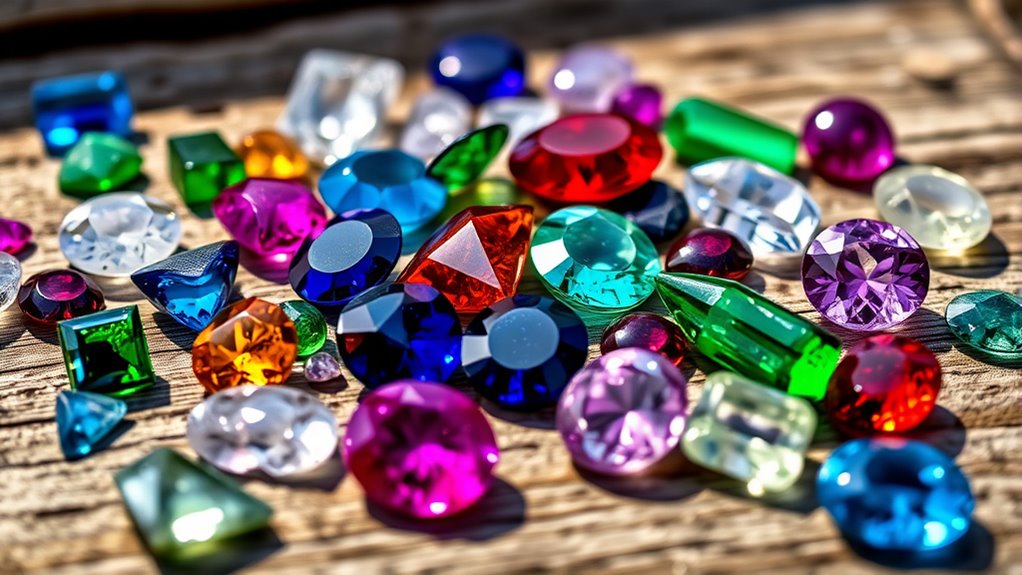
How many gemstone types exist worldwide? You might be surprised to learn there are over 200 recognized types, each falling under specific gemstone classification categories based on their chemical composition and crystal structure.
When you explore gemstone classification, you’ll see gems divided into groups like precious, semi-precious, and organic stones. This system helps you identify and appreciate the vast diversity of gems across the globe.
Beyond their physical traits, many gemstones carry historical significance that enriches their value. You’ll find that cultures throughout history have treasured particular stones for symbolic reasons, linking them to myths, healing powers, or status.
Many gemstones hold rich historical meaning, treasured for their symbolism, myths, healing powers, and cultural status.
Understanding this context not only sharpens your identification skills but also connects you to the stories embedded in each gem.
What Makes Each Gemstone Special and Valuable
Each gemstone’s unique appeal comes from a blend of factors that go beyond just its type or history. When you look closely, you’ll notice how these elements shape their value and charm. Understanding what makes each gemstone special helps you appreciate their rarity and beauty.
Here are key aspects that influence a gemstone’s uniqueness and worth:
- Unique properties: Color, clarity, hardness, and brilliance make each gem distinct.
- Historical significance: Some stones carry stories or cultural importance, adding to their allure.
- Rarity and origin: Limited availability or exotic sources can boost a gemstone’s value.
The Most Popular Gemstone Types to Know
You’ll want to recognize the most common gemstone varieties and what makes each one unique. Knowing their key characteristics helps you spot quality stones and understand why they’re popular in jewelry. So, let’s investigate the gems you’re most likely to encounter and how they’re used in designs.
Common Gemstone Varieties
Gemstones come in a dazzling array of colors, shapes, and properties that make each one unique. When you investigate common gemstone varieties, you’ll uncover fascinating stories tied to their gemstone origins and gemstone myths. These tales add depth to your appreciation and help you identify gems with more confidence.
Here are three popular gemstone varieties you should know:
- Sapphire: Known for its rich blue hues, often linked to wisdom and royalty in gemstone myths.
- Ruby: A vibrant red stone symbolizing passion, with origins tracing back to ancient Asia.
- Emerald: Celebrated for its deep green color, tied to myths about fertility and rebirth.
Understanding these varieties helps you connect with the history and beauty behind each gem.
Characteristics of Popular Gems
To truly appreciate popular gems, you need to understand their defining characteristics like color, hardness, and clarity. Each gem carries unique gemstone lore and color symbolism that adds to its allure.
For example, rubies symbolize passion with their red hue, while sapphires represent wisdom in deep blue. Hardness affects durability, and clarity influences brilliance. Here’s a quick guide to some well-known gems:
| Gemstone | Color | Hardness (Mohs) |
|---|---|---|
| Ruby | Red | 9 |
| Sapphire | Blue, others | 9 |
| Emerald | Green | 7.5 – 8 |
| Amethyst | Purple | 7 |
| Diamond | Colorless, others | 10 |
Knowing these traits helps you identify gems confidently and appreciate their unique stories.
Uses in Jewelry Making
Many jewelry pieces feature just a handful of popular gemstones that combine beauty with durability. When you explore jewelry design, understanding gemstone sourcing is key to selecting stones that complement your style and last. Designers often pick gems that can withstand daily wear while enhancing the piece’s elegance.
Here are some common uses in jewelry making:
- Diamonds for engagement rings, prized for their brilliance and hardness
- Sapphires in bracelets and necklaces, known for vibrant colors and toughness
- Emeralds in statement pieces, valued for their rich green hues despite being softer
Rare and Unusual Gemstones You Should Discover
Uncovering even a handful of rare and unusual gemstones can transform your collection and spark your curiosity about the natural world. These exotic finds, like painite or musgravite, offer unique properties that set them apart from common stones.
You’ll find some gems fluoresce under UV light or change color depending on the angle you view them. Others, such as benitoite, boast an intense blue hue rarely seen elsewhere.
Exploring these stones encourages you to appreciate the diversity and complexity of mineral formation. By seeking out such rare gemstones, you not only improve your collection but also deepen your understanding of geology.
Discovering rare gemstones enriches your collection and reveals the fascinating complexities of Earth’s geology.
Keep an eye out for stones with striking rarity and unusual traits. They’re what make collecting truly exciting.
How to Identify Gemstones by Color and Clarity
Exploring rare and unusual gemstones sharpens your eye for subtle differences in color and clarity that set one stone apart from another. When identifying gemstones by color and clarity, focus on how vibrant and consistent the color intensity appears. Some stones display a rich, deep hue, while others might have uneven or pale coloration.
Clarity grading helps you assess the presence of inclusions or blemishes that affect a stone’s brilliance.
Keep these tips in mind:
Observe the gemstone under natural light to see true color intensity.
Use a loupe or magnifier to inspect clarity and spot internal flaws.
Compare stones side-by-side to notice slight differences in hue and transparency.
How Hardness and Durability Help You Identify Gemstones
While color and clarity provide important clues, you’ll also want to examine hardness and durability when identifying gemstones. The hardness scale, like Mohs, ranks gems by scratch resistance, helping you distinguish between similar stones.
Durability factors include toughness and stability. These are key to knowing if a gem can withstand daily wear or harsh conditions. By evaluating these, you protect your jewelry and make smarter choices.
| Hardness Level | Durability Emotion |
|---|---|
| 10 (Diamond) | Confidence in strength |
| 7-9 (Sapphire) | Trust in resilience |
| 4-6 (Topaz) | Caution with care |
| 1-3 (Talc) | Fragility, handle gently |
Understanding hardness and durability helps you appreciate each gem’s unique character.
Recognizing Gemstone Cuts and Shapes for Identification
Hardness and durability give you insight into a gemstone’s strength, but the way a gem is cut and shaped reveals a lot about its identity too. Recognizing gemstone cuts and shapes helps you distinguish one stone from another. Cut techniques influence how light reflects, affecting brilliance and color intensity. Different gemstone shapes often align with specific stones, making identification easier.
Here are key points to contemplate:
- Gemstone shape: Common shapes like round, oval, pear, and emerald can hint at the type of gemstone.
- Cut techniques: Faceted, cabochon, and step cuts each highlight different qualities and suit different stone types.
- Symmetry and polish: These affect a gem’s sparkle and can indicate craftsmanship or authenticity.
Knowing these details helps you identify gemstones more confidently.
Simple At-Home Tools to Test Gemstones
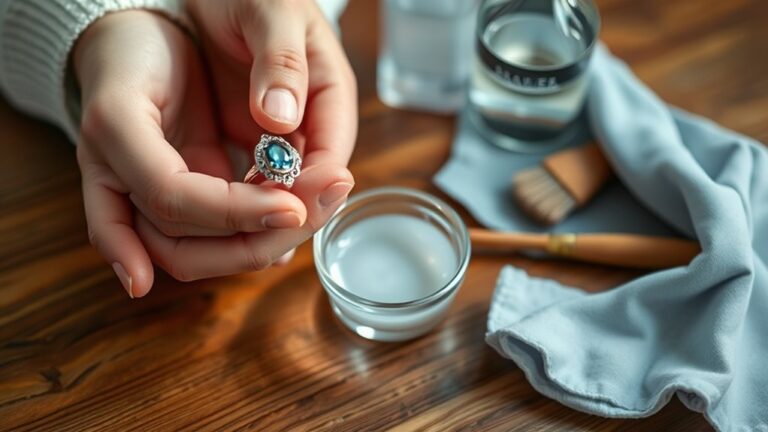
Although professional equipment offers precise results, you can still perform basic gemstone tests using simple tools found around your home. For example, a clear glass and water help test a gem’s refractive index. Drop the stone in water and observe how light bends.
A magnifying glass or jeweler’s loupe lets you inspect surface features, inclusions, or scratches. These are essential for gemstone testing and identification methods. You can also use a small flashlight to check transparency and color consistency.
Another quick test involves the hardness scale. Try scratching the stone gently with a steel pin or a copper coin to gauge hardness differences. These simple identification methods won’t replace lab-grade tools but provide valuable initial insights, helping you distinguish common gemstones and spot imitations.
When and Why to Consult a Professional Gemologist
Even if you’ve done some basic tests at home, you’ll want to consult a professional gemologist when accuracy matters most. Their expertise and professional certification guarantee reliable identification and valuation. Gemstone valuation methods can be complex and involve advanced tools and knowledge you likely don’t have.
You should consult a professional gemologist when you need an official appraisal for insurance or resale purposes, you’re unsure about a stone’s authenticity despite home tests, or you want detailed information on a gem’s quality and origin.
Relying on a certified gemologist assures precise results and helps you avoid costly mistakes. Don’t skip this step if you’re serious about your gemstones. Professional guidance provides confidence and clarity.
Tips for Starting Your Own Gemstone Collection
Wondering how to begin your gemstone collection without feeling overwhelmed? Start by focusing on collection management. Decide what types of stones interest you most and set a budget.
Keep detailed records of each gemstone’s origin, quality, and purchase details to stay organized. When sourcing gemstones, rely on reputable dealers or attend gem shows to guarantee authenticity and fair pricing.
Maintain detailed records and buy from trusted dealers or gem shows for authenticity and fair prices.
Learn to identify basic characteristics like color, clarity, and cut to make informed choices. Avoid rushing and build your collection gradually based on your knowledge and preferences.
Don’t hesitate to consult experts or use gem identification tools to verify stones. With careful planning and smart sourcing, you’ll enjoy a beautiful, well-managed gemstone collection that grows in value and personal meaning.
Frequently Asked Questions
How Are Synthetic Gemstones Made?
You create synthetic gemstones through advanced manufacturing processes that replicate natural conditions. These processes, like the flame fusion or hydrothermal methods, produce crystals with synthetic origins identical to real gems.
What Is the Environmental Impact of Gemstone Mining?
You’ll find gemstone mining often causes habitat destruction and water pollution due to aggressive mining techniques. Poor labor practices can harm workers, although mining provides significant economic benefits to local communities.
To reduce environmental harm, you should support sustainable alternatives like lab-grown gems or responsible mining initiatives. These options help protect ecosystems while still offering beautiful stones, balancing environmental care with economic needs.
How Do Treatments Affect Gemstone Value?
Like a painter’s brush reshaping a canvas, treatment methods can transform a gemstone’s appearance but often impact its value. When you assess value, you must consider if treatments like heating or irradiation improve clarity or color.
Untreated stones typically hold higher worth, while treated ones might decrease in value due to permanence and market perception. Knowing treatment details lets you make a smarter value assessment and avoid paying more than a gem’s true price.
Can Gemstones Change Color Under Different Lighting?
Yes, gemstones can change color under different lighting due to color shifting and lighting effects. When you view a gemstone in sunlight versus incandescent light, its hues might appear different. That’s because the light source affects how colors reflect and refract inside the gem.
For example, alexandrite famously exhibits dramatic color shifting, looking green in daylight and red in artificial light. Understanding these lighting effects helps you appreciate a gemstone’s true beauty.
What Are the Common Myths About Gemstones?
You’ve probably heard that wearing a ruby will make you invincible or that amethysts keep evil spirits at bay, classic gemstone folklore! While these myths are fun, you shouldn’t expect a sapphire to cure your headaches or a diamond to bring eternal luck overnight.
People have long believed in gemstones’ healing properties, but remember, they’re more about tradition than science. Enjoy their beauty, but don’t rely on magic!
Conclusion
Imagine holding a vibrant, sparkling gemstone in your hand, each facet reflecting a story waiting to be uncovered. As you investigate their colors, cuts, and clarity, you’ll see how unique and enchanting each gem truly is.
By learning to identify these treasures, you’re not just collecting stones; you’re gathering pieces of Earth’s artistry. So trust your curiosity, use your tools, and let every gem light up your collection with its own special glow.
Understanding how many gemstones are there and how to identify them adds a whole new layer of appreciation to your collection.