7 Factors That Determine How Much a 1 Carat Diamond Costs
Finding the perfect 1 carat diamond can feel overwhelming. You want something beautiful and valuable without overpaying, but with so many factors to consider, it’s easy to get lost. You’re not alone—many people struggle with understanding what really affects a diamond’s cost.
When buying a 1 carat diamond, you’ll pay more than just for its weight. Cut quality affects how brilliantly it sparkles, while color and clarity influence its appearance and value.
Certification confirms authenticity and boosts market trust. The diamond’s shape can also tweak the price, as can where you choose to buy—online or local.
Understanding these factors helps you balance beauty, ethics, and budget. Keep exploring to uncover how each factor shapes the perfect diamond purchase.
Key Takeaways
- Carat weight impacts price significantly. A 1 carat diamond is rarer and more valuable than slightly smaller stones.
- Cut quality influences brilliance, with superior cuts increasing prices by up to 20%.
- Color grading from D (colorless) to Z affects price. Higher grades command premium prices.
- Clarity grade determines value, with fewer inclusions leading to higher market prices.
- Certification ensures authenticity, boosting buyer confidence and increasing resale and market value.
How Carat Weight Affects 1 Carat Diamond Prices
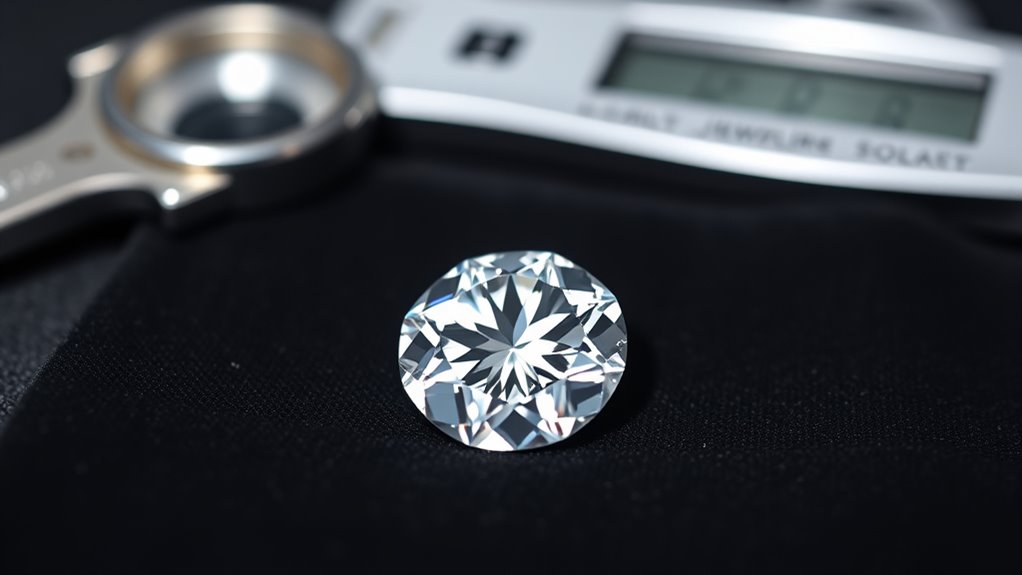
When you shop for a diamond, you’ll notice that even slight changes in carat weight can greatly impact the price. That’s because carat perception plays a huge role in how people value diamonds.
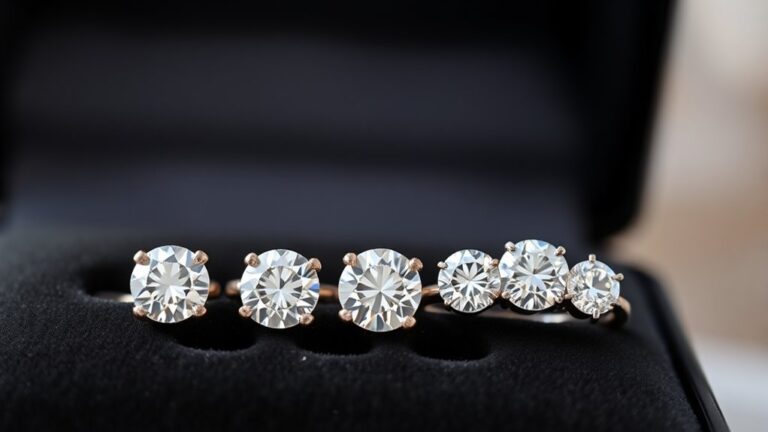
Even a small increase from 0.9 to 1 carat can make a diamond appear markedly more valuable, affecting its cost. The weight significance lies in the rarity of larger diamonds. Heavier stones are less common, so their prices jump disproportionately compared to smaller increments.
When considering a 1 carat diamond, keep in mind that the exact carat weight matters to sellers and buyers alike. Understanding this can help you make smarter choices and find the best balance between size and price without compromising your budget.
How Cut Quality Affects 1 Carat Diamond Prices
You’ll notice that cut quality directly impacts a diamond’s sparkle and overall appearance. When you understand the grading scale, it becomes easier to see how this affects the price of a 1 carat diamond. Basically, the better the cut, the higher the value you can expect to pay.
Impact on Sparkle
Because cut quality directly influences a diamond’s sparkle, it plays an essential role in determining the price of a 1 carat stone. When the cut is precise, it maximizes sparkle improvement by optimizing light performance.
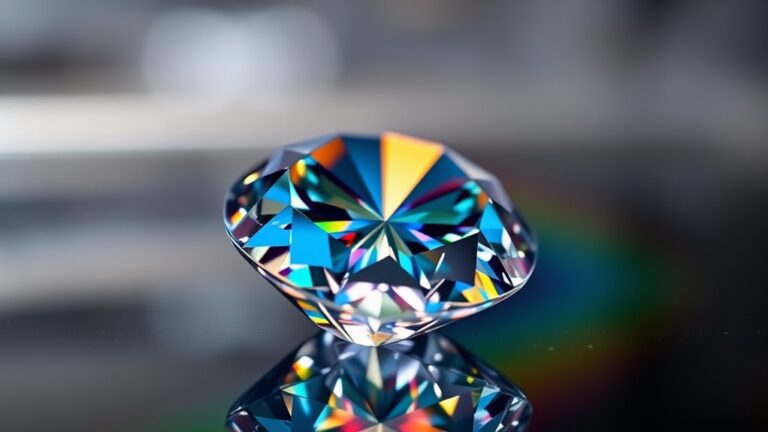
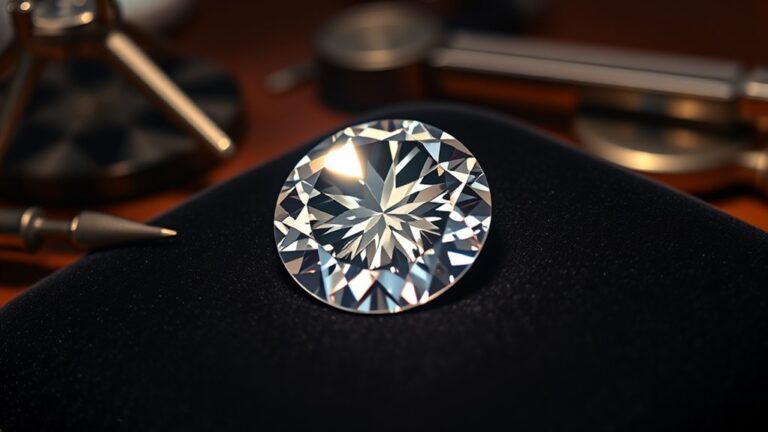
You’ll notice how expertly cut diamonds reflect and refract light, creating breathtaking brilliance and fire. On the other hand, a poorly cut diamond loses light through the bottom or sides, dulling its appearance and lowering its value.
Since you want your diamond to shine its brightest, investing in a high-quality cut guarantees you get the most sparkle for your money. Ultimately, the better the cut, the more enchanting the diamond, and the higher the price you’ll pay for that radiant 1 carat gem.
Grading Scale Importance
Although many factors influence a diamond’s price, the grading scale for cut quality plays an essential role in determining the cost of a 1 carat stone. When you understand the grading criteria used by reputable grading agencies, you’ll see why cut quality matters so much.
These agencies assess proportions, symmetry, and polish to assign a grade that reflects the diamond’s overall brilliance. Grading consistency among agencies guarantees you can trust the cut grade when comparing stones.
The grading significance lies in how well the diamond reflects light, directly impacting its visual appeal. By paying attention to the cut grade on the certificate, you’re better equipped to choose a diamond that delivers maximum sparkle and value for your budget.
Influence on Price
The impact of cut quality on a 1 carat diamond’s price is significant and direct. When you choose a well-cut diamond, you’re investing in brilliance and fire, which dramatically influence value.
Market trends show that diamonds with superior cuts consistently fetch higher prices due to increased consumer demand. Here’s how cut quality affects price:
- Excellent Cut: Maximizes light reflection, boosting price by up to 20% compared to lower cuts.
- Very Good Cut: Offers near-optimal sparkle, making it more affordable while still desirable.
- Good and Below: Less brilliance, lowering appeal and prices, often by 10-30%.
As market trends evolve, consumer demand for quality cuts remains strong, keeping prices higher for diamonds with the best craftsmanship.
Why Color Matters for 1 Carat Diamond Cost
When you shop for a 1 carat diamond, color plays an essential role in its price and appearance. The diamond hue and color saturation directly impact how vibrant or dull the stone looks. Color grading, ranging from D (colorless) to Z (light yellow or brown), helps determine market demand.
Buyers often prefer diamonds with less color for a clearer, more brilliant look. This drives up prices for higher grades.
| Color Grade | Impact on Price |
|---|---|
| D-F | Highest price, colorless |
| G-J | Moderate price, near colorless |
| K-Z | Lower price, noticeable hue |
Understanding these factors lets you balance cost with your preferences effectively.
How Clarity Affects 1 Carat Diamond Price
Color influences a diamond’s appeal and price, but clarity plays a likewise significant role in determining value. When evaluating how clarity affects a 1 carat diamond price, you should focus on these key factors:
- Clarity Grades: Higher clarity grades mean fewer inclusions, boosting the diamond’s market value.
- Inclusions Types: Some inclusions impact visual appeal more than others, influencing pricing strategies.
- Diamond Comparisons: Comparing diamonds with comparable carat weight but different clarity grades helps you understand pricing trends.
How Diamond Shape Influences 1 Carat Diamond Cost
Although diamond shape might seem like a purely aesthetic choice, it greatly affects the cost of a 1 carat diamond. When you choose a shape, you’re not just picking a style; you’re responding to shape preferences and style trends that influence market demand.
For example, round brilliant cuts often cost more because they’re highly popular and require more rough diamond to cut. In contrast, shapes like oval or pear might be less expensive due to lower demand or cutting efficiency.
Your choice also impacts how the diamond’s size appears, affecting perceived value. Staying aware of evolving style trends can help you select a shape that fits your budget while matching your personal taste and current market preferences.
Why Certification Is Important for 1 Carat Diamonds
When you buy a 1 carat diamond, getting it certified really helps confirm that it’s authentic and high quality. It gives you peace of mind knowing the diamond meets specific standards. And on top of that, a certified diamond usually holds better market value as time goes by. So, it’s definitely worth considering certification when making your purchase.
Authenticity Verification
Because a 1 carat diamond represents a significant investment, you’ll want to verify its authenticity before making a purchase. Understanding the certification process is key, as it provides official documentation of the diamond’s characteristics. You can rely on various authenticity methods to ascertain your diamond is genuine.
Employing proper verification techniques helps avoid counterfeit stones and confirms value.
Here are three essential steps to verify authenticity:
- Request a diamond appraisal from a certified gemologist to assess quality and authenticity.
- Review the certification report carefully, confirming details match the diamond you’re buying.
- Use reputable authenticity methods like laser inscription or advanced scanning to cross-check the diamond’s identity.
Following these steps guarantees confidence in your 1 carat diamond’s legitimacy and worth.
Quality Assurance
Guaranteeing your 1 carat diamond comes with proper certification protects you from overpaying and confirms the stone’s true quality. Certification involves thorough diamond inspections by reputable labs that assess grading accuracy, including cut, color, clarity, and carat weight.
When you buy a certified diamond, you’re trusting that experts have verified its attributes, so you’re not relying solely on the seller’s word. This transparency helps you make informed decisions and compare stones confidently.
Without certification, grading can vary widely and lead to overpriced or misrepresented diamonds. Certification also serves as a safeguard against purchasing synthetic or treated stones.
Market Value Impact
Although the diamond market can be complex, having a certified 1 carat diamond directly influences its market value and resale potential. Certification validates the diamond’s authenticity and quality, which buyers trust. This trust is essential as market trends and consumer demand fluctuate.
Here’s why certification impacts market value:
- Transparency: Certification provides a detailed report on the diamond’s cut, color, clarity, and carat weight, aligning with current market trends.
- Consumer Demand: Certified diamonds attract more buyers, increasing demand and often driving up prices.
- Resale Value: When reselling, certified diamonds fetch higher prices since buyers feel confident about their purchase.
In short, certification protects your investment by making your diamond more appealing in a competitive market.
Where to Buy Your 1 Carat Diamond for the Best Price
Where can you find the best price on a 1 carat diamond? Start by exploring online retailers, which often offer competitive rates and detailed buying guides. Don’t overlook local jewelers. They provide personalized service and the chance to inspect diamonds firsthand.
Use price comparisons to spot the best deals, and consider discount options or diamond auctions for potential savings. Always check customer reviews and brand reputation to guarantee reliability. Prioritize ethical sourcing to support responsible practices.
Also, review warranty policies to protect your investment. Combining these strategies helps you find a quality diamond at the right price without compromising on trust or value. Taking the time to research will pay off when you secure the perfect 1 carat diamond within your budget.
Frequently Asked Questions
How Does Diamond Fluorescence Affect the Price of a 1 Carat Diamond?
Diamond fluorescence effects can either increase or decrease the price of a 1 carat diamond depending on how it impacts the stone’s appearance. If fluorescence makes the diamond look hazy or milky, you’ll likely pay less.
However, if it improves brightness, it might add value. During diamond grading, experts assess fluorescence carefully, so you should consider how it influences both beauty and price when choosing your diamond.
Are There Seasonal Discounts for Purchasing 1 Carat Diamonds?
Yes, you’ll often find seasonal discounts on 1 carat diamonds, especially during holiday promotions like Black Friday or Valentine’s Day. Retailers use timing strategies to boost sales, sometimes offering up to 20% off.
If you plan your purchase around these events, you can snag a better deal. Keep an eye on sales cycles and don’t hesitate to ask jewelers about upcoming promotions to maximize your savings.
How Do Market Trends Influence the Cost of 1 Carat Diamonds?
Market trends directly affect the cost of 1 carat diamonds because they shape market demand and consumer preferences. When demand is high, prices usually rise, especially if consumers prefer specific cuts or styles.
Conversely, if trends shift away from certain diamond types, prices may drop. You’ll find that staying aware of these trends helps you time your purchase better, ensuring you get the best value based on current consumer interests.
Can Insurance Costs Impact the Overall Price of a 1 Carat Diamond?
Insurance costs don’t change the sticker price, but they definitely affect what you pay overall. When you insure your diamond, insurance premium calculations rely heavily on diamond appraisal values, which reflect its worth.
Does the Country of Origin Affect the Price of a 1 Carat Diamond?
Yes, the country of origin can affect the price of a 1 carat diamond. You’ll find that diamond sourcing from regions with strict market regulations often guarantees higher quality and ethical standards, which can raise the cost.
Conversely, diamonds from less regulated markets might be cheaper but come with risks. So, when you’re buying, consider where the diamond was sourced to understand how it impacts the price and your purchase’s value.
Conclusion
Now that you know how carat weight, cut quality, color, clarity, shape, certification, and buying location impact a 1 carat diamond’s price, you’re ready to make a smart choice. You can compare options, evaluate quality, trust certified stones, and shop wisely.
By focusing on these factors, you’ll find the perfect diamond that fits your style and budget. Remember, understanding these details helps you buy confidently and shine brilliantly with your 1 carat diamond.