7 Factors That Affect How Much a 1 Carat Diamond Does Cost
Trying to find the perfect 1 carat diamond without overpaying can feel overwhelming. You’re not alone—many people struggle to understand what really affects the price of these sparkling gems. Knowing what to look for can save you from costly mistakes and help you choose a diamond that truly fits your budget and style.
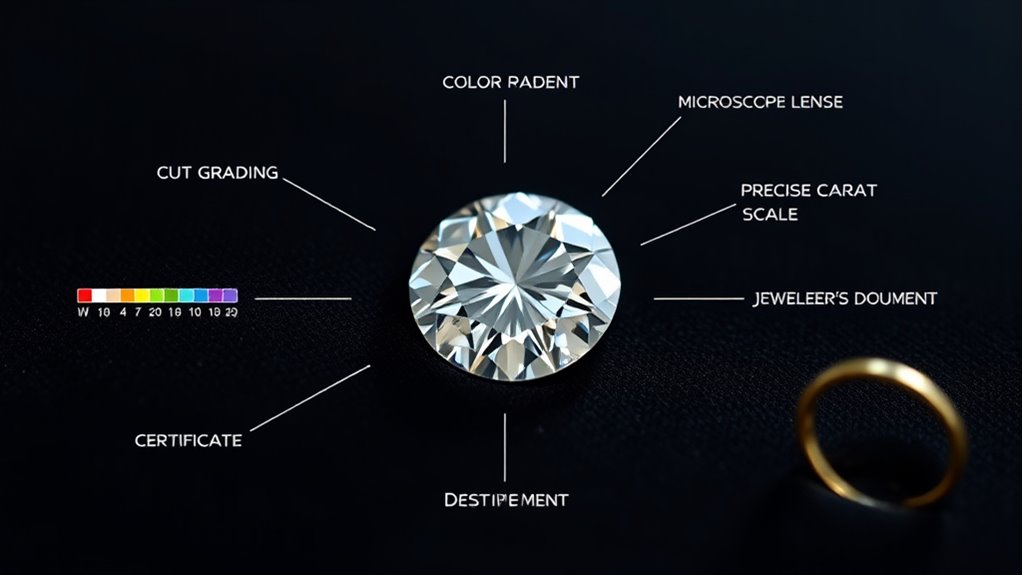
When buying a 1 carat diamond, you’ll pay attention to more than just carat weight. The cut quality affects sparkle and price, while color and clarity grades impact rarity and value.
Shape influences cost based on demand and cutting complexity. Certification assures authenticity and can raise the price. Market demand, ethical sourcing, and where you buy online or locally also play roles.
If you want to understand these factors in detail, there’s plenty more to uncover.
Key Takeaways
- Carat weight influences price, but cut quality significantly impacts a 1 carat diamond’s sparkle and value.
- Color grade affects cost, with higher grades like D being rarer and more expensive.
- Clarity determines price by the visibility of inclusions and overall brilliance.
- Diamond shape and market demand influence pricing, with round cuts generally costing more.
- Certification from reputable labs increases buyer confidence and typically raises the diamond’s price.
What Factors Influence the Price of a 1 Carat Diamond?
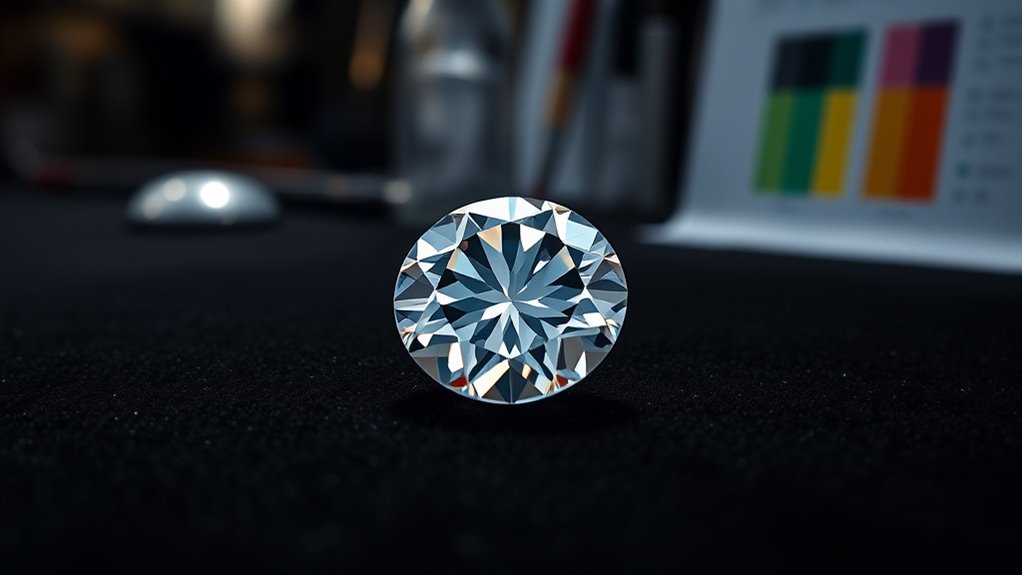
Although many assume that carat weight alone determines a diamond’s price, several key factors influence the cost of a 1 carat diamond. You’ll find that shape preferences greatly affect pricing. Round cuts often cost more because of demand, while fancy shapes vary with trends.
Market trends also play a big role. When certain shapes or styles become popular, prices can spike accordingly. Buyer psychology influences how much you might pay, as emotional appeal and perceived value drive willingness to spend.
Moreover, diamond origins matter. Ethically sourced or rare geographic sources can increase a diamond’s price. Understanding these factors helps you make smarter choices, ensuring you get the best value without overpaying based solely on carat weight.
How Cut Quality Affects 1 Carat Diamond Price
You’ll notice a diamond’s cut quality really affects its sparkle and overall beauty. And that has a big impact on the price you’ll end up paying.
Different grading labs don’t always use the same standards, so it’s important to compare cuts carefully before making a decision.
Keep in mind, ideal cuts usually come with a higher price tag because they maximize brilliance and are in greater demand.
Impact On Sparkle
When you choose a 1 carat diamond, the cut quality directly influences its sparkle and overall appeal. The sparkle intensity depends on how well the diamond’s facets interact with light, enhancing its light performance.
Brilliance factors like fire characteristics and scintillation effects work together to create a stunning display of colors and flashes. By optimizing the optical properties, a well-cut diamond maximizes diamond aesthetics, making it visually enchanting from every angle.
Poor cut quality, on the other hand, diminishes these brilliance factors, reducing visual appeal and making the diamond look dull or lifeless. So, when evaluating a 1 carat diamond, consider how the cut affects sparkle since it dramatically impacts not just the diamond’s beauty but also its price.
Grading Standards Variance
The sparkle of a 1 carat diamond hinges on its cut quality, but understanding how that cut affects price requires looking closer at grading standards. Different labs have grading nuances that can impact how the cut is evaluated, which directly influences cost. Certification differences between labs like GIA, AGS, and others mean you might see varying grades for the same diamond.
When comparing prices, consider how each lab measures proportions and symmetry, the strictness of cut grade categories, and variations in light performance assessments.
These grading nuances create price gaps even among diamonds with similar appearances. Knowing these differences helps you make smarter choices and avoid overpaying for a diamond whose cut quality might be rated differently elsewhere.
Premiums For Ideal Cuts
Cut quality plays an essential role in determining the price of a 1 carat diamond, especially regarding ideal cuts. When you choose a diamond with perfect cut proportions and ideal symmetry, you’re paying a premium because these factors maximize the stone’s brilliance and fire.
Jewelers charge more for ideal cuts since they require precise craftsmanship to achieve peak light performance. Even slight deviations in cut proportions or symmetry can affect how the diamond reflects light, impacting its overall appearance and value.
How Color Grade Impacts 1 Carat Diamond Price
You’ll notice that a diamond’s color grade plays a big role in its price. Even subtle shifts along the color scale can cause noticeable changes in cost. When you compare hues from colorless to near-colorless, the price can vary quite a bit. Understanding this impact makes it easier to choose a 1 carat diamond that fits both your style and your budget.
Color Scale Importance
Although many factors influence a 1 carat diamond’s price, its color grade plays a crucial role. You’ll notice that color perception directly affects how valuable a diamond appears. Diamonds closer to colorless tend to command higher prices due to their rarity and brilliance.
Understanding the color scale helps you make smarter choices when shopping.
Here’s why the color scale matters:
- It ranks diamonds from D (colorless) to Z (noticeable color), guiding your expectations.
- Color rarity means fewer diamonds fall into the highest grades, driving up demand and cost.
- Even slight differences in color grade can greatly impact price, so knowing the scale helps you balance beauty and budget.
Price Variation By Hue
Several factors influence how much you’ll pay for a 1 carat diamond, but the color grade plays a significant role in price variation. When you look at diamonds, subtle differences in hue perception can impact their value more than you might expect.
Even small shifts from a pure white to faint yellow or brown tints affect how buyers see the diamond’s quality. Current color trends also shape prices. Diamonds with hues that match popular preferences often command higher prices.
For instance, near-colorless diamonds remain highly sought after, while diamonds showing noticeable color may cost less. Understanding how hue perception and market preferences interplay helps you make smarter decisions when choosing a diamond within your budget.
Impact Of Color Grade
The color grade of a 1 carat diamond directly influences its price by reflecting how much color is visible to the naked eye. When you choose a diamond, keep in mind that even subtle shifts in color perception can greatly impact cost. Market trends also play a role, as demand for certain color grades fluctuates over time.
Here’s what you should consider:
- Higher color grades (D-F) appear nearly colorless and usually command premium prices.
- Mid-range grades (G-J) offer a balance of quality and affordability, appealing to many buyers.
- Lower grades (K-M and beyond) show noticeable color tints, which lowers their market value but can suit budget-conscious shoppers.
Understanding these factors helps you make an informed decision that fits both your style and budget.
How Clarity Influences 1 Carat Diamond Price
Clarity plays an essential role in determining the price of a 1 carat diamond because it directly affects the stone’s appearance and brilliance. When you choose a diamond, clarity grades reveal how visible inclusions are under magnification.
If inclusions are minimal or invisible to the naked eye, called eye clean, the diamond appears more flawless and commands a higher price. Diamond clarity ranges from flawless to included, influencing both value and beauty.
| Clarity Grade | Inclusions Visibility |
|---|---|
| Flawless (FL) | No inclusions visible |
| VS1 – VS2 | Eye clean, minor inclusions |
| SI1 – SI2 | Inclusions visible to naked eye |
Understanding these clarity grades helps you balance cost with a sparkling, high-quality diamond.
How Diamond Shape Affects 1 Carat Diamond Price
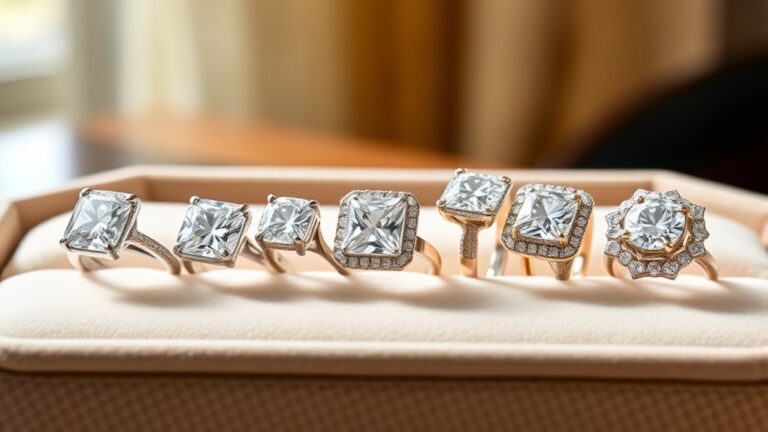
Choosing the right diamond shape can greatly impact the price of a 1 carat diamond. Different diamond shapes affect how much you’ll pay because of cutting complexity, popularity, and how the shape maximizes the stone’s size appearance.
When doing a price comparison, keep these points in mind:
- Round diamonds usually cost more due to higher demand and cutting waste.
- Fancy shapes like oval, pear, and marquise often look larger but can be less expensive.
- Shapes with unique cuts, such as princess or cushion, strike a balance between price and brilliance.
How Market Demand and Certification Affect Price
Because market demand fluctuates, you might notice significant price differences for similar 1 carat diamonds. Market trends and supply dynamics heavily influence these changes. When consumer preferences shift, prices respond accordingly.
Certification importance also plays a vital role. Diamonds with reputable certificates usually command higher prices because they assure quality and authenticity.
| Factor | Impact on Price | Reason |
|---|---|---|
| Market Trends | High | Shifts demand and supply |
| Certification | Moderate to High | Validates quality |
| Consumer Preferences | Moderate | Affects desirability |
| Supply Dynamics | High | Controls availability |
Understanding these aspects helps you make informed choices and find the best value for your 1 carat diamond.
How Buying Location Impacts 1 Carat Diamond Price
When you shop for a 1 carat diamond, where you buy it can greatly affect the price you pay. Different locations come with unique economic factors, local taxes, and import duties that influence costs. Online marketplaces often offer competitive prices due to retailer competition and ease of price negotiation.
Where you buy a 1 carat diamond significantly impacts price due to economic factors and taxes.
Meanwhile, geographical trends and regional availability shape pricing in physical stores. Seasonal effects and cultural preferences also play a role, affecting demand and supply patterns.
Consider these key points when choosing your buying location:
Online marketplaces: Lower overhead and wider selection can mean better deals.
Local shops: Price negotiation is possible, but local taxes and import duties may increase costs.
Regional availability: Some areas have limited supply, driving prices higher based on cultural preferences and economic factors.
Frequently Asked Questions
How Does Diamond Fluorescence Affect Its Price?
Diamond fluorescence effects can impact its price by influencing how the stone appears under certain lighting. If you find a diamond with strong fluorescence, it might look hazy or oily, which can lower its value.
However, in some cases, fluorescence can make lower color grading diamonds appear whiter and more appealing, possibly increasing their price. You should always check how fluorescence interacts with color grading before deciding on a purchase.
Are Lab-Grown 1 Carat Diamonds Cheaper Than Natural Ones?
You’ll find lab-grown 1 carat diamonds are typically 30-40% cheaper than natural ones. With market trends shifting, lab vs. natural diamonds is a hot topic because lab diamonds offer the same sparkle at a lower price.
If you’re on a budget or want an ethical choice, lab-grown diamonds give you more value without sacrificing beauty. So, choosing lab over natural can save you big while still dazzling.
What Is the Best Time of Year to Buy a Diamond?
The best time to buy a diamond is during holiday sales, especially around Black Friday, Christmas, and Valentine’s Day when jewelers offer significant discounts. You’ll also find good deals during seasonal trends like the end of summer or early winter when demand slows down.
How Do Insurance Costs Vary for a 1 Carat Diamond?
Insurance costs for a 1 carat diamond vary based on your insurance valuation and coverage options. You’ll pay more if the valuation is higher, reflecting the diamond’s appraised worth.
Coverage options like replacement cost or actual cash value also affect your premium. If you choose broader protection, expect higher costs.
To keep expenses in check, review your policy regularly and provide accurate valuations. This helps ensure you’re properly covered without overpaying.
Can Diamond Resale Value Impact Its Initial Purchase Price?
Yes, diamond resale value can impact its initial purchase price because buyers consider diamond market trends and resale trends before investing. If resale values are strong, you might pay more upfront, anticipating good returns later.
Valuation factors like clarity, cut, and certification influence this perception. Since buyer perceptions shape demand, sellers often price diamonds to reflect potential future resale, balancing immediate cost with long-term value expectations.
Conclusion
So, you’re hunting for that perfect 1 carat diamond, thinking it’s just about the size? Think again. Cut, color, clarity, shape, market trends, certification, and even where you buy all sneak into the price tag.
It’s almost like a diamond isn’t just a shiny rock but a complex puzzle designed to keep you guessing and paying. But hey, who said sparkle can’t come with a little mystery and expense?
When you consider all these factors, you’ll see why the cost of a 1 carat diamond can vary so much. Understanding them helps you make a smarter choice without breaking the bank.