What Are Yellow Gemstones Called?
Finding the perfect yellow gemstone can feel overwhelming with so many options out there. If you’ve ever struggled to pick the right one that matches your style and meaning, you’re not alone. Many people want a stone that’s beautiful, unique, and fits their lifestyle perfectly.
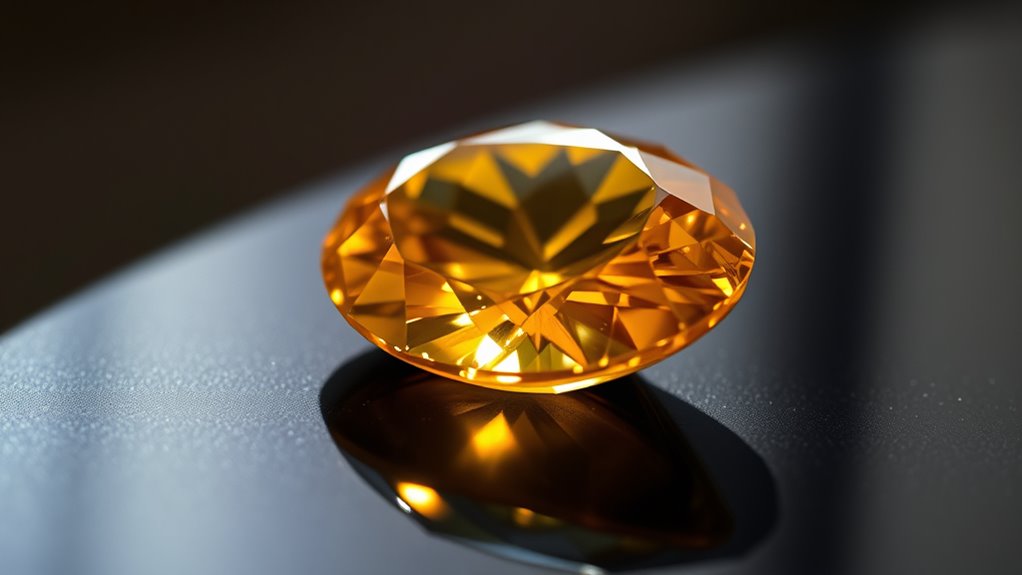
Yellow gemstones are called citrine, yellow sapphire, yellow topaz, amber, yellow zircon, and yellow diamonds.
You’ll find citrine’s warm glow and yellow sapphire’s brilliant golden color popular in jewelry. Yellow topaz offers hues from lemon to amber, while amber stands out with its rich textures. Yellow diamonds are rare and prized for their unique color.
Each stone has different qualities, care needs, and meanings. Keep exploring to uncover which suits your style and lifestyle best.
Key Takeaways
- Yellow gemstones include varieties such as citrine, yellow sapphire, yellow topaz, amber, yellow zircon, and yellow diamonds.
- Citrine is known for its warm, consistent yellow to orange hues. It symbolizes joy and positivity.
- Yellow sapphire features a vibrant golden yellow color and is prized for its brilliance and durability.
- Yellow topaz ranges from pale lemon to deep amber and is recognized for its protective qualities.
- Amber and yellow zircon are unique yellow gemstones valued for their texture and symbolic meanings like wisdom and prosperity.
What Are the Most Popular Yellow Gemstones?
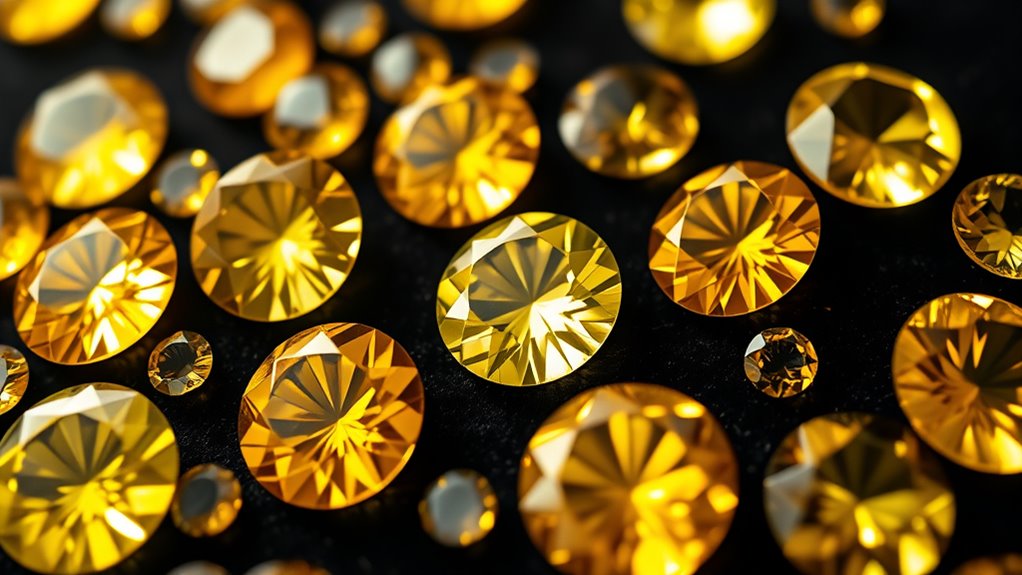
When you think of yellow gemstones, several dazzling options come to mind, each with its unique charm and appeal. You’ll often encounter popular stones like citrine, known for its warm, sunny glow, and yellow sapphire, prized for its brilliance and durability.
Yellow topaz and amber also make frequent appearances, each offering distinct hues and textures. These gems carry rich yellow gemstone symbolism, representing joy, energy, and clarity, which keeps them in high demand.
Today’s yellow gemstone trends highlight vibrant colors and ethical sourcing, making these stones even more appealing. Whether you’re drawn to their beauty or meaning, knowing these popular yellow gemstones helps you choose a stone that fits your style and spirit perfectly.
How to Identify Citrine and Other Yellow Gemstones
You’ll notice yellow gemstones come in all sorts of hues, each with its own unique traits. Getting to know common types like citrine can really help you spot the differences. Plus, we’ll go over some simple ways to test if your gemstone is the real deal.
Color Variations Explained
Although yellow gemstones share a similar sunny hue, subtle differences in color can help you distinguish citrine from other stones like yellow sapphire, topaz, or zircon. Citrine often displays warm, honey-like tones, while yellow sapphire tends toward a more vibrant, golden yellow.
Topaz can range from pale lemon to deep amber, and zircon usually shines with a bright, slightly greenish-yellow tint. Understanding these variations connects you to the rich color symbolism and cultural significance each stone holds. Citrine symbolizes warmth and positivity, while yellow sapphire is linked to wisdom and prosperity.
Common Yellow Gemstones
Understanding the subtle color differences among yellow gemstones helps you recognize their unique identities. Take citrine, for example. It often displays a warm, honey-like hue and is prized for its association with positivity and abundance in yellow gemstone symbolism.
You might also come across yellow sapphire, known for its brilliance and durability. It symbolizes wisdom and prosperity. Another common yellow gem is yellow topaz, which carries a rich history in yellow gemstone lore as a protective stone.
To identify these stones, pay attention to their color intensity, clarity, and typical crystal structure. Each gem’s unique traits not only define its beauty but also deepen its cultural significance. This helps you appreciate the rich stories behind these radiant stones.
Testing Gemstone Authenticity
Many methods exist to test the authenticity of citrine and other yellow gemstones, ensuring you get genuine stones rather than imitations. When you perform gemstone testing, focus on key authenticity markers such as color consistency, clarity, and hardness.
Here’s how you can identify real yellow gemstones:
- Examine Color: Genuine citrine has a warm, consistent yellow to orange hue, unlike synthetic stones that may have uneven coloring.
- Check Hardness: Use a scratch test; citrine rates 7 on the Mohs scale, so it won’t scratch easily.
- Observe Clarity: Natural stones often have minor inclusions, whereas fake gems look flawless.
- Use a Loupe: Magnify the stone to spot authenticity markers like natural growth patterns or tiny imperfections.
These steps help you confidently distinguish real yellow gemstones from fakes.
How to Spot Yellow Topaz in Jewelry
How can you tell if a yellow gemstone is topaz rather than another mineral? First, examine its color and clarity. Yellow topaz characteristics include a bright, warm golden hue and high transparency.
Unlike citrine or yellow sapphire, topaz often shows a slight brilliance with fewer inclusions. Next, check the gemstone’s hardness. Topaz rates 8 on the Mohs scale, so it resists scratching better than many yellow stones.
Also, pay attention to the cut and weight. Yellow topaz pricing generally reflects its size and clarity, with larger, flawless stones fetching higher prices. If possible, use a gem tester or consult a professional jeweler to confirm.
Why Yellow Sapphire Is a Top Yellow Gemstone for Fine Jewelry
While yellow topaz offers a warm glow and notable hardness, yellow sapphire stands out as a premier choice for fine jewelry due to its exceptional brilliance and durability. If you’re considering yellow gemstones, here’s why yellow sapphire is a top pick:
- Yellow sapphire benefits include its superior hardness (9 on the Mohs scale), making it resistant to scratches and perfect for daily wear.
- Its vibrant, sunny hue adds timeless elegance to any piece.
- Yellow sapphire symbolism connects to wisdom, prosperity, and protection, giving your jewelry deeper meaning.
- It pairs beautifully with various metals, from white gold to platinum, enhancing its appeal.
Choosing yellow sapphire means you get a stunning, durable gem rich in beauty and meaning.
What Makes Yellow Diamonds So Rare and Valuable?
Because yellow diamonds form under unique conditions, they’re much rarer than typical white diamonds. Their yellow diamond origins trace back to the presence of nitrogen atoms within the diamond’s carbon structure, which absorb blue light and create that distinct yellow hue. This natural process requires very specific geological factors, making these gems scarce.
When you investigate yellow diamond pricing, you’ll notice it’s considerably higher than many other yellow gemstones due to this rarity and the diamond’s renowned durability and brilliance. Plus, the intensity of the yellow color directly affects the value. The richer and more vivid the hue, the more valuable the stone becomes.
If you want a yellow gemstone that stands out both in beauty and worth, yellow diamonds are an exceptional choice.
How Does Heliodor Compare to Other Yellow Gemstones?
When you look at Heliodor, you’ll notice its warm golden hues really stand out among yellow gemstones. Plus, it offers solid durability, which makes it great for everyday jewelry. So, how does it stack up against other yellow stones you might be considering? Let’s take a closer look.
Heliodor Color Characteristics
If you’re comparing yellow gemstones, Heliodor stands out with its vibrant, golden-yellow hues that often appear clearer and more luminous than other stones. This brilliance ties back to heliodor origins, where sunlight inspired its name and symbolism of warmth and energy.
Here’s how Heliodor’s color characteristics compare:
- Its yellow ranges from pale straw to deep golden, offering versatility.
- Unlike citrine’s orange undertones, Heliodor maintains a pure yellow glow.
- Its clarity often surpasses other yellows, enhancing sparkle.
- Heliodor’s color remains consistent under different lighting, unlike some yellow gems that shift tones.
When you want a gemstone that radiates true sunshine, Heliodor’s glowing hues make it a striking choice among yellow gemstones.
Durability and Uses
Durability plays an essential role in choosing the right yellow gemstone for your jewelry, and Heliodor holds its own impressively. With a hardness of 7 to 7.5 on the Mohs scale, Heliodor offers strong yellow gemstone durability, making it suitable for everyday wear.
Compared to other yellow gemstones like citrine or yellow sapphire, Heliodor strikes a balance between toughness and affordability. This durability lets you confidently use Heliodor in various yellow gemstone applications, from rings to necklaces and earrings.
While not as hard as sapphire, Heliodor’s resilience guarantees it resists scratches and damage better than softer stones like yellow topaz. So, if you want a beautiful yellow gemstone that stands up well to daily use, Heliodor is a smart, versatile choice for your collection.
The History and Meaning of Yellow Zircon
Yellow zircon has enchanted gem enthusiasts for centuries, prized not only for its radiant hue but also for its rich history and symbolism. When you examine yellow zircon properties, you’ll uncover its brilliance and fire rival diamonds, making it a fascinating choice. Its yellow zircon symbolism is tied to prosperity, wisdom, and protection, enhancing its appeal beyond beauty.
Here are four key points about yellow zircon’s history and meaning:
- Ancient civilizations used yellow zircon as a talisman against evil spirits.
- It’s believed to bring mental clarity and spiritual growth.
- The gem symbolizes wealth and success in many cultures.
- Historically, it was mistaken for diamonds due to its sparkle.
You’ll find yellow zircon combines stunning looks with meaningful tradition.
Which Yellow Gemstones Are Best for Everyday Wear?
Wondering which yellow gemstones can stand up to daily wear without losing their charm? When choosing yellow gemstones for everyday wear styles, you need to take into account yellow gemstone durability first.
Gemstones like yellow sapphire and citrine rank high in durability, making them great for daily use. Yellow sapphire, with its hardness of 9 on the Mohs scale, resists scratches and impacts well.
Citrine, while slightly softer, still holds up nicely if you’re careful. You might also think about yellow topaz, which offers good toughness but requires a bit more attention.
Avoid softer stones like yellow calcite or amber for everyday pieces, as they scratch and chip easily. Picking durable yellow gemstones guarantees your jewelry stays vibrant and beautiful, no matter how often you wear it.
How to Care for and Clean Yellow Gemstones
To keep your yellow gemstones looking their best, you’ll want to use the right cleaning methods and store them carefully to avoid damage. Handling them with care is just as important to maintain their shine and durability. So, let’s dive into some simple steps you can follow to protect and clean your stones effectively.
Cleaning Methods Overview
Although cleaning yellow gemstones might seem straightforward, using the right methods guarantees they stay vibrant and damage-free. To care for your stones properly, follow these essential steps:
- Choose gentle cleaning tools like soft brushes or microfiber cloths to avoid scratching the surface.
- Use mild cleaning solutions, such as warm soapy water or specialized gemstone cleaners. Just make sure they’re safe for your specific gemstone type.
- Avoid harsh chemicals and ultrasonic cleaners because they can cause damage or discoloration.
- Rinse thoroughly with clean water to remove any residue, then dry with a soft cloth.
Storage Tips For Protection
Since yellow gemstones can be delicate, you’ll want to store them carefully to prevent scratches, chips, and fading. Use soft pouches or individual compartments in jewelry boxes to keep stones from rubbing against each other.
Choosing display solutions with padded inserts can further protect your gems while showing them off safely. Maintaining proper humidity control is just as crucial; excessive moisture can damage certain yellow gemstones or their settings.
Store your pieces in a cool, dry place away from direct sunlight, which can cause colors to fade over time. Regularly check your storage area for any humidity fluctuations and use silica gel packets if needed.
Handling Precautions And Guidelines
Proper storage protects your yellow gemstones, but how you handle and clean them plays an equally significant role in preserving their beauty. When it comes to yellow gemstone care, following handling precautions guarantees your gems stay vibrant. Here’s what you should do:
- Avoid harsh chemicals and ultrasonic cleaners because they can damage delicate stones.
- Use a soft, damp cloth to gently wipe your gemstones after wearing them.
- Store each yellow gemstone separately to prevent scratches.
- Remove your jewelry before engaging in physical activities or exposure to extreme temperatures.
Where to Find Authentic Yellow Gemstones for Purchase
Anyone looking to buy authentic yellow gemstones should start by exploring reputable jewelers and specialized gemstone dealers. These sources often guarantee genuine stones and provide certification, confirming you get the quality you expect.
You can also check trusted yellow gemstone marketplaces online, where sellers offer a wide selection with verified authenticity. When choosing where to purchase, prioritize businesses committed to ethical gemstone sourcing. This assures your gemstones are mined responsibly, avoiding harmful environmental and social impacts.
Don’t hesitate to ask for documentation or details about the origin of the stones. By focusing on reliable sellers and ethical practices, you’ll find beautiful yellow gemstones that are both authentic and responsibly sourced, giving you confidence in your purchase.
Frequently Asked Questions
Are Yellow Gemstones Believed to Have Healing Properties?
Yes, yellow gemstones are believed to have healing properties that can boost your confidence and energy. When you work with yellow gemstone properties, you tap into their ability to promote mental clarity and emotional balance.
Many people adopt these healing crystal beliefs to reduce stress and improve creativity. By carrying or wearing yellow stones, you can experience a positive shift in your mindset and overall well-being.
What Is the Significance of Yellow Gemstones in Different Cultures?
You might think yellow gemstones are just pretty rocks, but they actually carry deep cultural symbolism. In many cultures, you’ll find they’ve been used historically to symbolize wealth, power, and happiness.
Ancient Egyptians wore them for protection, while in Asia, they represented wisdom and clarity. So, whenever you admire a yellow gem, remember it’s not just shiny. It’s packed with centuries of meaning that people have valued far beyond its color.
Can Yellow Gemstones Change Color Over Time?
Yes, some yellow gemstones can change color over time due to exposure to light, heat, or chemicals. You’ll want to think about color permanence when choosing a yellow gemstone, especially if you want it to stay vibrant.
Gemstone durability plays a big role here. Harder stones like yellow sapphire are less likely to fade or change, while softer ones might show noticeable shifts. Taking care of your gemstone helps maintain its original beauty and color.
How Do Synthetic Yellow Gemstones Compare to Natural Ones?
Imagine you find a synthetic yellow sapphire that looks flawless and costs less than a natural one. When you compare synthetic durability, you’ll notice it often outperforms natural gemstones because it’s made in controlled conditions.
However, natural rarity adds value and uniqueness you can’t replicate. While synthetics give you affordable beauty and strength, natural stones carry a story and exclusivity that synthetic versions just can’t match.
What Are Common Treatments Applied to Yellow Gemstones?
You’ll often find yellow gemstones undergoing heat treatment to improve their color and clarity, making them more vibrant and appealing. Irradiation effects are also common, especially to intensify or change hues subtly.
These treatments enhance the gem’s appearance but might affect its value. When buying, always ask if the stone has been treated, so you know exactly what you’re getting and can care for your gemstone properly.
Conclusion
Yellow gemstones are like little rays of sunshine you can wear, each with its own unique sparkle and story. Whether you’re drawn to the warm glow of citrine, the brilliance of yellow diamonds, or the classic charm of yellow sapphire, knowing how to identify and care for them helps you keep their beauty shining bright.
With a bit of care, your yellow gems will light up your jewelry collection for years to come. Learning about what yellow gemstones are called is key to appreciating their beauty and making the most of your collection.