What Are Faceted Gemstones?
Finding the perfect gemstone that truly shines can be frustrating. You want something that catches the light beautifully but often end up with stones that look dull or lifeless. If you’ve struggled to find gems that sparkle with real brilliance, you’re not alone. Many people want their jewelry to dazzle but don’t know what makes a gemstone stand out.
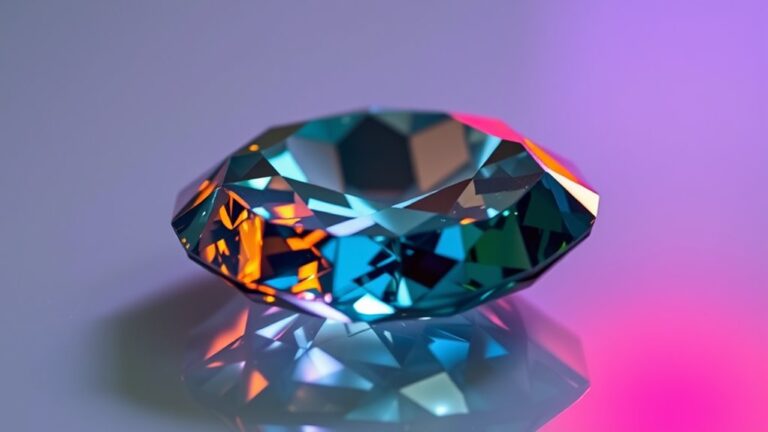
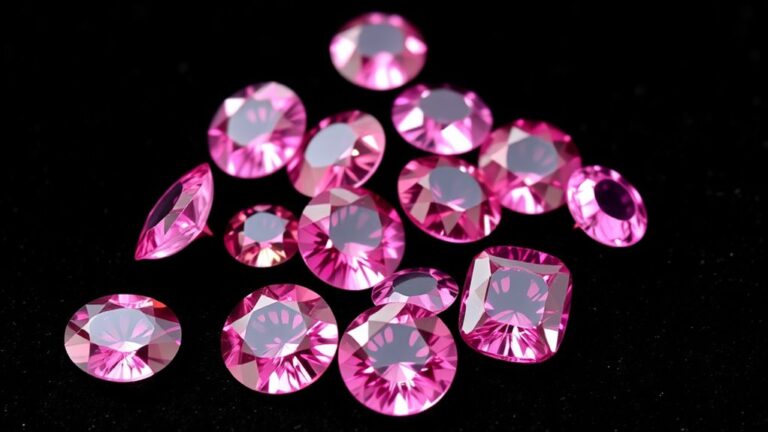
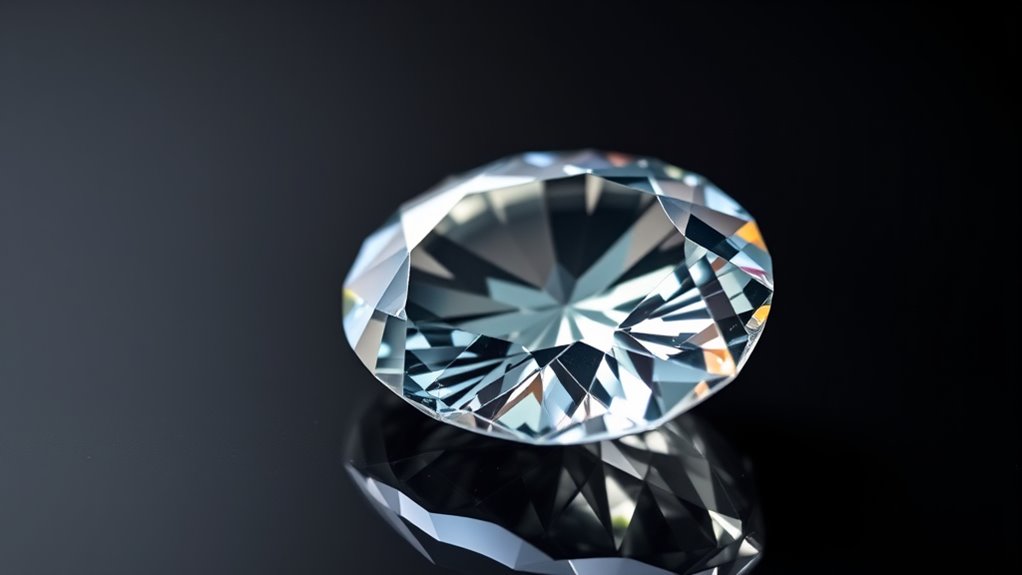
Faceted gemstones are stones cut with flat surfaces called facets that amplify their sparkle and brilliance by reflecting and refracting light. You’ll find precise geometric patterns that make even the simplest rough gem dazzle with life.
This technique, used for centuries, improves color, clarity, and value beyond just diamonds, including sapphires and rubies. If you want to uncover how different cuts affect beauty and why faceting matters so much, there’s plenty more to investigate.
Key Takeaways
- Faceted gemstones have flat, polished surfaces called facets that enhance their brilliance and sparkle. Faceting involves precise geometric cutting to maximize internal light reflection and refraction.
- This technique transforms rough stones into dazzling jewels by increasing their brightness and fire. Common facet cuts include round brilliant, princess, emerald, and oval, each highlighting different beauty aspects.
- Faceted gemstones differ from cabochons by their sharp, geometric cuts that maximize sparkle rather than smooth color emphasis.
What Does It Mean When a Gemstone Is Faceted?
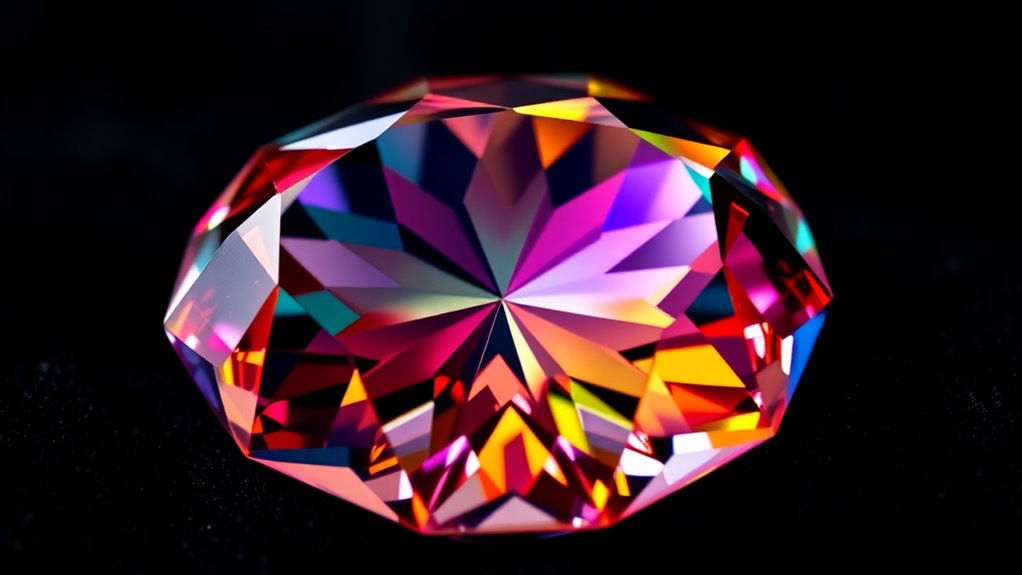
Faceting a gemstone means cutting its surface into multiple flat planes called facets. When you facet a gemstone, you’re enhancing its ability to reflect and refract light, which boosts its brilliance and sparkle.
Throughout gemstone history, artisans have refined faceting techniques to maximize a stone’s beauty and value. You’ll notice that these flat surfaces aren’t random; they follow precise geometric patterns tailored to the gemstone’s shape and properties.
As you learn about faceting, you’ll appreciate how skilled cutters use these methods to reveal the gem’s hidden fire and color. By understanding these basics, you get why faceting remains a vital step in gemstone preparation, transforming rough stones into dazzling jewels you recognize and admire.
Why Has Faceting Been Used for Centuries?
You’ve probably noticed how faceting makes gemstones sparkle like nothing else. It’s all because it boosts their brilliance by maximizing light reflection within the stone. So, why has this technique stood the test of time? Let’s take a closer look.
Enhancing Gemstone Brilliance
Although gemstones naturally possess beauty, their true brilliance only shines when skilled artisans carefully cut and shape them. Faceting isn’t just about aesthetics; it’s a precise technique aimed at brilliance improvement.
When you appreciate a faceted gemstone, you’re seeing how expertly placed facets boost its optical performance by allowing light to interact with the stone more effectively. This careful cutting maximizes the gemstone’s inner sparkle and fire, revealing colors and flashes that a rough gem can’t display.
You’ll notice that faceting transforms a simple mineral into a dazzling jewel, making it much more enchanting. By focusing on improving brilliance, artisans guarantee each gem reaches its full visual potential, which is why faceting has remained essential throughout history.
Maximizing Light Reflection
When light hits a gemstone, how it bounces inside determines the gem’s sparkle and allure. Faceting has been used for centuries because it maximizes light reflection, improving light dispersion within the stone. This clever cutting technique increases the gem’s visual appeal by directing light back to your eye, creating dazzling brilliance. You’ll notice how different facets work together to amplify sparkle and color.
| Facet Type | Purpose | Effect on Light |
|---|---|---|
| Crown Facets | Capture incoming light | Increases brightness |
| Pavilion Facets | Reflect light internally | Improves light dispersion |
| Table Facet | Main light entry point | Maximizes visual appeal |
| Girdle | Structural boundary | Maintains overall balance |
Faceting isn’t just art, it’s science that maximizes every ray’s potential.
How Faceting Boosts Gemstone Sparkle
Because faceting shapes a gemstone’s surfaces at precise angles, it controls how light enters and reflects within the stone. This careful design directly impacts the gem’s light performance and sparkle improvement. When you understand how faceting works, you’ll see why it’s essential for maximizing brilliance.
Here’s how faceting boosts sparkle:
- Directs light into the stone to create internal reflections.
- Increases surface area, allowing more light to interact with the gem.
- Optimizes angles to prevent light from escaping, enhancing brightness.
- Creates multiple reflections, multiplying the sparkle you see.
Common Facet Cuts and Features
You’ll find that popular facet shapes each create unique light reflection effects that really bring out a gemstone’s brilliance. When you understand the cutting techniques behind these shapes, it’s easier to appreciate how skilled craftsmanship shapes a gem’s sparkle. So, let’s take a closer look at the common facet cuts and the features that make them stand out.
Popular Facet Shapes
Gemstone cuts come in a variety of shapes, each designed to improve the stone’s brilliance and character. When you investigate popular facet shapes, you’ll notice how brilliant shapes and unique patterns elevate a gem’s appeal.
Here are four common facet shapes you should know:
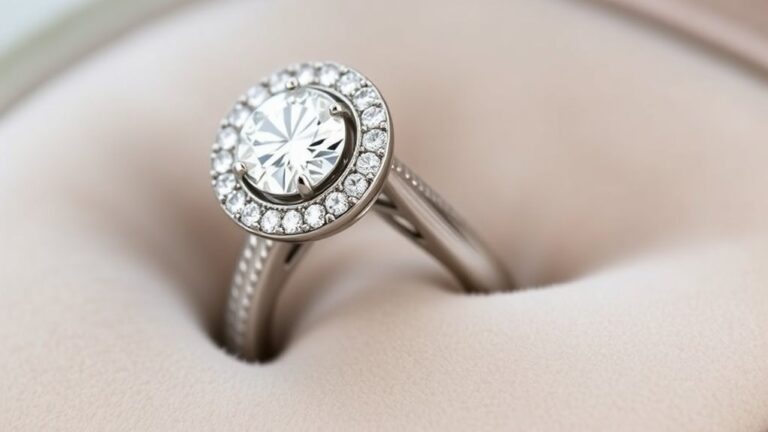
- Round Brilliant Known for its incredible sparkle, this cut maximizes light return with its 58 facets.
- Princess A square or rectangular shape with sharp corners, offering a modern, dynamic look.
- Emerald Characterized by its step cuts and rectangular shape, emphasizing clarity and depth.
- Oval Combines the brilliance of a round cut with an elongated shape, creating a flattering and elegant appearance.
Each shape brings out different aspects of the stone’s beauty, so you can pick one that suits your style perfectly.
Light Reflection Effects
Light reflection plays an essential role in how a faceted gemstone enchants your eye. When light enters a gem, it bounces off the carefully angled facets, creating dazzling optical phenomena that mesmerize you.
These reflections combine with light dispersion, splitting light into its spectral colors, giving the gem its signature sparkle and fire. Common facet cuts are designed to maximize these effects by controlling how light travels within the stone.
For example, the brilliant cut optimizes light return, enhancing brilliance and scintillation. Understanding these light reflection effects helps you appreciate why some gemstones dazzle more than others.
Cutting Techniques Explained
Mastering the art of cutting involves understanding several popular facet styles that shape how a gemstone reflects and refracts light. Throughout gemstone history, cutting innovations have evolved, enhancing brilliance and fire. You’ll find these common facet cuts essential:
- Round Brilliant Cut maximizes light return with 57 or 58 facets, ideal for diamonds.
- Princess Cut is square or rectangular with sharp edges, offering modern sparkle.
- Emerald Cut features step cuts and a large table, emphasizing clarity over brilliance.
- Cushion Cut has rounded corners and larger facets that create a vintage, soft glow.
Each cut involves precise angles and facet arrangements. When you choose a style, consider how it highlights the gem’s unique qualities and complements its natural beauty.
Faceted Gemstones Beyond Diamonds: Common Materials
Although diamonds often steal the spotlight, many other faceted gemstones offer stunning beauty and unique qualities that can elevate any jewelry collection. You’ll find gemstone varieties like sapphires, rubies, emeralds, and amethysts, each benefiting from skilled faceting techniques to amplify their brilliance and color.
These materials differ in hardness, refractive index, and color, which influences how they’re faceted and worn.
| Gemstone | Key Feature |
|---|---|
| Sapphire | Durability & color variety |
| Ruby | Vivid red hues |
| Emerald | Rich green tones |
| Amethyst | Purple shades |
| Topaz | High clarity |
Exploring beyond diamonds lets you appreciate the diverse beauty faceted gemstones bring to your collection.
How Gemstones Are Cut and Polished Into Facets
When you admire a faceted gemstone, you’re seeing the result of careful cutting and polishing that brings out its natural brilliance. The process relies heavily on gemstone artistry and specialized cutting tools to transform rough stones into dazzling gems. Here’s how it typically works:
- Planning: You start by examining the rough stone to decide the best shape and facet arrangement to maximize beauty and minimize waste.
- Sawing: Using precise cutting tools, you slice the gemstone into manageable pieces.
- Faceting: You grind and shape the stone’s surface with a faceting machine, carefully creating symmetrical facets.
- Polishing: Finally, you polish each facet to a mirror finish, enhancing the gem’s sparkle and light performance.
This skilled process reveals the gemstone’s full potential.
How Faceting Affects a Gemstone’s Value
The way a gemstone is faceted plays an essential role in determining its value. When you choose a gemstone, its cut directly impacts brilliance, enhancing appeal and market demand. Faceting also reveals the stone’s clarity, affecting how rare and valuable it appears. Even a rare gemstone can lose value if poorly faceted.
| Faceting Quality | Effect on Value | Impact on Market Demand |
|---|---|---|
| Excellent | Maximizes brilliance | High |
| Average | Moderate sparkle | Medium |
| Poor | Dulls appearance | Low |
Ultimately, the right faceting highlights gemstone rarity and boosts desirability. So, understanding faceting helps you assess true worth quickly.
Faceted vs. Cabochon Gemstones: What’s the Difference?
How do faceted and cabochon gemstones differ, and why does it matter to you? Understanding their cutting styles helps you appreciate their unique gemstone aesthetics and choose what suits your style best. Faceted gems have multiple flat surfaces (facets) that reflect light, creating brilliance. Cabochons, on the other hand, feature smooth, rounded tops without facets, highlighting color and inclusions.
Understanding faceted and cabochon cuts reveals how each gemstone’s style enhances brilliance or color.
Here’s how they compare:
- Cutting styles: Faceted gems use geometric cuts; cabochons are polished domes.
- Light interaction: Facets maximize sparkle; cabochons emphasize depth and color.
- Appearance: Faceted stones appear sharp and brilliant; cabochons look soft and muted.
- Use: Faceted gems suit formal jewelry; cabochons often fit bohemian or vintage designs.
Knowing these differences helps you pick the perfect gemstone aesthetic for your needs.
Signs of a Quality Faceted Gemstone
You’ll want to take a close look at the cut precision, clarity, and color when judging a faceted gemstone’s quality. These factors play a big role in how the gem sparkles and catches the light. So, let’s break down why each one matters.
Cut Precision
Several factors reveal cut precision, which plays an essential role in determining a faceted gemstone’s quality. When you evaluate cut precision, focus on how the cut quality affects the gem’s brilliance and symmetry.
Precise facet angles guarantee light reflects perfectly inside the stone, maximizing sparkle.
To assess cut precision, consider these key points:
- Consistency of facet angles. Uniform angles reflect light most effectively.
- Symmetry. Facets should align evenly without misalignment.
- Proportion. Well-proportioned cuts improve overall brilliance.
- Smooth polish. A flawless surface intensifies light reflection.
Clarity And Color
Although cut precision influences a gemstone’s brilliance, clarity and color greatly impact its overall appearance and value. When choosing a faceted gemstone, pay close attention to clarity grades, which indicate the presence of inclusions or blemishes.
Higher clarity grades mean fewer imperfections, allowing light to pass through more freely and enhancing sparkle. Color saturation is just as significant; vivid, well-saturated hues make the gemstone more eye-catching and valuable.
Too pale or overly dark colors can reduce appeal. You’ll want a balance where the gemstone’s natural color shines without overshadowing its clarity. By considering both clarity grades and color saturation, you can select a faceted gemstone that not only looks stunning but also holds its value over time.
Caring for and Cleaning Faceted Gemstones
Because faceted gemstones require proper care to maintain their brilliance, you should handle and clean them with attention and the right techniques. Effective gemstone care guarantees your stones stay vibrant and damage-free.
Proper care and cleaning keep faceted gemstones brilliant, vibrant, and free from damage.
Here are four essential cleaning methods to follow:
- Use a soft brush and mild soap with warm water to gently clean the gemstone.
- Avoid harsh chemicals or ultrasonic cleaners that can damage certain stones.
- Store gemstones separately in soft pouches to prevent scratches.
- Regularly inspect your jewelry for loose settings or chips and address issues promptly.
Frequently Asked Questions
Can Faceted Gemstones Be Synthetically Created?
Yes, you can find synthetic gemstones that are faceted just like natural ones. Experts use advanced faceting techniques to cut and polish these lab-grown stones, giving them the same sparkle and precision.
When you choose synthetic gemstones, you get beautiful gems that often cost less and have fewer flaws. So, if you want a stunning gem without the high price, synthetic faceted stones are a smart choice you’ll appreciate.
What Tools Are Used to Facet Gemstones?
You’ll use specialized tools like a faceting machine to precisely cut gemstones. This device lets you control the angles and symmetry, which is essential for perfect cutting techniques.
After shaping, you’ll apply polishing methods using finer abrasives on laps or wheels to bring out the gem’s brilliance. These tools and methods work together, letting you transform rough stones into sparkling, faceted beauties that catch the light just right.
How Long Does It Take to Facet a Gemstone?
It usually takes you several hours to facet a gemstone, depending on its size and complexity. Your skill with facet techniques plays a big role, as precise cutting requires patience.
After shaping the gem, you spend time on gemstone polishing to bring out its brilliance. Sometimes, intricate designs or larger stones can extend the process to days, but mastering these steps guarantees your gemstone shines beautifully.
Are Faceted Gemstones More Prone to Chipping?
Think of faceted gemstones like delicate ice sculptures. They dazzle but need care. Yes, faceted stones can be more prone to chipping because their sharp edges and flat surfaces catch impacts easily.
To boost chip prevention, you should consider durability factors like the gemstone’s hardness and toughness. Handling your gems gently and storing them properly will help keep their sparkle intact and prevent those tiny, heartbreaking chips.
Can Faceted Gemstones Be Resized in Jewelry?
Yes, you can resize jewelry with faceted gemstones, but it requires careful attention to the gemstone settings. When resizing, jewelers use specialized resizing techniques to avoid stressing or loosening the stones.
You should always work with an experienced jeweler who understands how to protect those delicate settings. This way, your faceted gemstones stay secure and beautiful, even after resizing your favorite piece of jewelry.
Conclusion
Now that you know how faceting transforms a gemstone’s sparkle and value, don’t you want to appreciate the skill behind each cut? Faceted gems aren’t just beautiful; they’re crafted to catch light and enchant your eye.
Whether you choose a dazzling diamond or a colorful sapphire, understanding faceting helps you pick quality stones that truly shine. So, go ahead, embrace the brilliance and care for your faceted gemstones with confidence!