What Makes Gemstones Valuable?
Figuring out what makes gemstones valuable can feel confusing, especially if you’re new to buying or collecting them. You’re not alone—many people struggle with understanding why some stones cost so much more than others.
But once you know the key factors, you’ll feel more confident choosing the perfect gem.
You value gemstones based on their color, clarity, cut, and carat weight, with vivid colors and high clarity elevating worth. Rarity from limited origins and unique mineral makeup also drives prices up.
Market demand, trends, and certified authenticity build trust and affect value. Treatments can improve appearance but might lower worth if not disclosed.
Understanding these factors helps you make smarter choices and uncover what truly makes each gemstone special.
Key Takeaways
- Gemstone value depends primarily on color quality, clarity, cut, and carat weight. Vivid colors and high clarity increase worth.
- Rarity from limited geographic origins and unique mineral compositions significantly boosts a gemstone’s market value.
- High color saturation and flawless clarity enhance brilliance and durability, which command higher prices in the market.
- Market demand, cultural significance, and economic conditions cause gemstone prices to fluctuate over time.
- Certification ensures authenticity, transparency, and higher resale value. Disclosed treatments affect perceived worth and buyer trust.
Key Factors That Define Gemstone Value
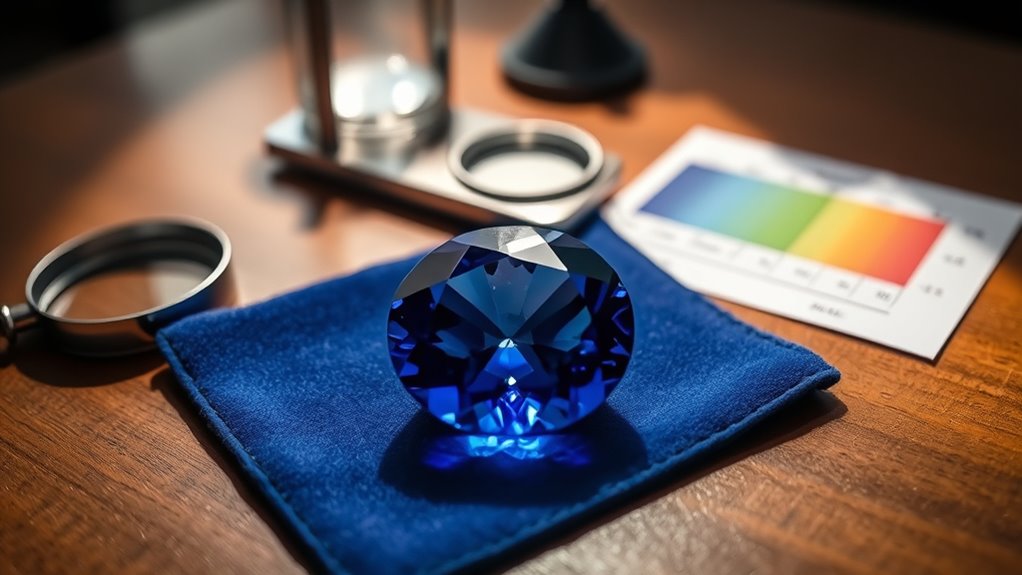
While many factors influence a gemstone’s worth, you’ll find that color, clarity, cut, and carat weight play the most significant roles. When you evaluate a gemstone, gemstone grading systems help you assess these qualities objectively, providing a standardized way to determine value.
Color should be vivid and pure, clarity must be free of visible inclusions, and the cut should maximize brilliance. Carat weight impacts size, but bigger doesn’t always mean better if other factors suffer.
You should also understand that market fluctuations affect prices, meaning the same gemstone can vary in value depending on demand and economic conditions. By focusing on these key factors, you can better navigate the complexities of gemstone valuation and make informed decisions when buying or selling.
How Rarity Drives Gemstone Prices
You’ll notice that gemstones from limited geographic origins often command higher prices because they’re harder to find. Plus, their unique mineral compositions make certain stones truly one-of-a-kind. So, when you put these factors together, it’s easy to see why rarity plays such a big role in their value.
Limited Geographic Origins
Because certain gemstones come from only a few specific locations worldwide, their scarcity directly boosts their value. When you buy a gemstone mined in a rare place, you’re investing in something truly unique.
Mining regulations in these areas often limit extraction to protect the environment, which further restricts supply. These restrictions mean fewer stones reach the market, increasing demand and prices.
You’ll also find that mining’s environmental impact is carefully managed, ensuring that precious ecosystems aren’t destroyed. This balance between rarity and responsible sourcing makes gemstones from limited geographic origins especially desirable.
Unique Mineral Compositions
The rarity of gemstones doesn’t just come from where they’re found. It also hinges on their unique mineral compositions. You’ll find that mineral variety and subtle differences in chemical properties create distinct色彩变化 and光学特性, making some stones truly one-of-a-kind.
These factors directly impact a gemstone’s value, as collectors and jewelers prize stones that showcase rare combinations.
| Gemstone | Unique Mineral Traits | Emotional Impact |
|---|---|---|
| Alexandrite | Color change (色彩变化) | Awe and wonder |
| Tanzanite | Rare chemical makeup | Desire for exclusivity |
| Paraiba Tourmaline | Intense fluorescence (光学特性) | Excitement and admiration |
| Jadeite | Exceptional mineral variety | Sense of timeless beauty |
When you understand these traits, you appreciate why rare mineral compositions drive prices up.
How Color Quality Impacts Gemstone Value
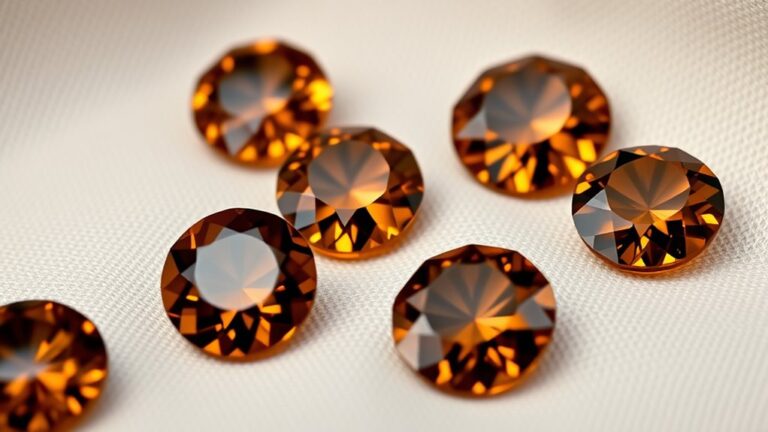
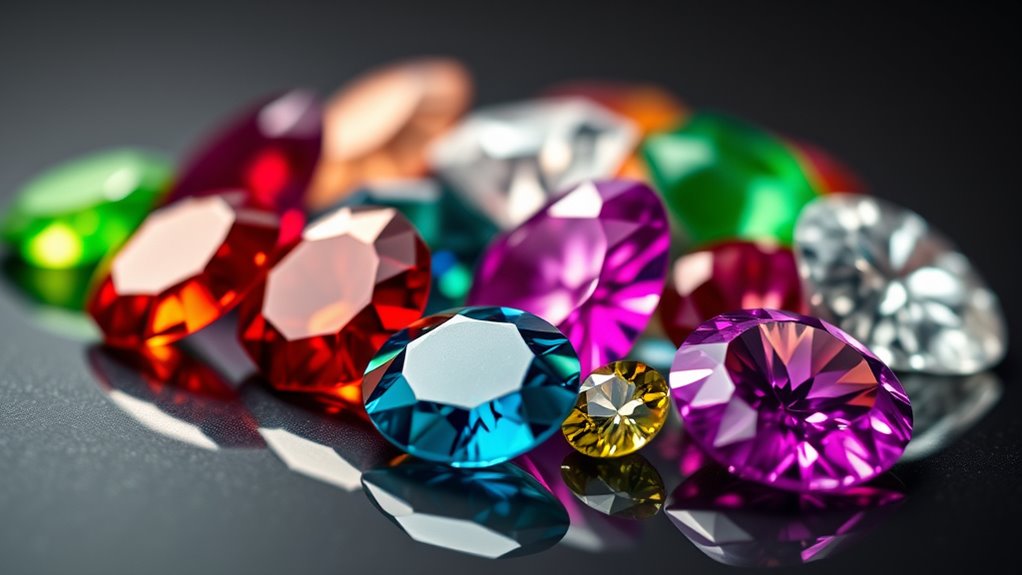
When you evaluate a gemstone, color quality often plays the most essential role in determining its value. You’ll want to focus on color saturation, which measures the intensity and purity of the gemstone’s color. Gems with vivid, rich saturation usually command higher prices because their colors appear more striking and attractive.
Hue variations also impact value, as even subtle shifts in color can either elevate or diminish a stone’s appeal. For example, a slight bluish tint in a sapphire may increase its worth, while uneven or undesirable hues can lower it. Remember, the most valuable gemstones exhibit consistent, vibrant color without dullness or overly dark tones.
How Clarity Affects a Gemstone’s Worth
Although color grabs your attention first, clarity plays an essential role in determining a gemstone’s worth. You’ll find that inclusions impact both the durability and visual appeal of a stone. The fewer inclusions, the clearer and more valuable the gemstone becomes. Even small internal flaws can affect how light travels through the gem, reducing its brilliance.
Here’s a quick guide to clarity grades and their impact on value:
| Clarity Grade | Inclusions Impact |
|---|---|
| Flawless (FL) | No inclusions, highest value |
| Slightly Included (SI) | Minor inclusions, moderate impact |
| Included (I) | Visible inclusions, lowers value |
When evaluating a gemstone, consider clarity carefully. It directly influences the stone’s beauty and market price.
How a Gemstone’s Cut Affects Its Value
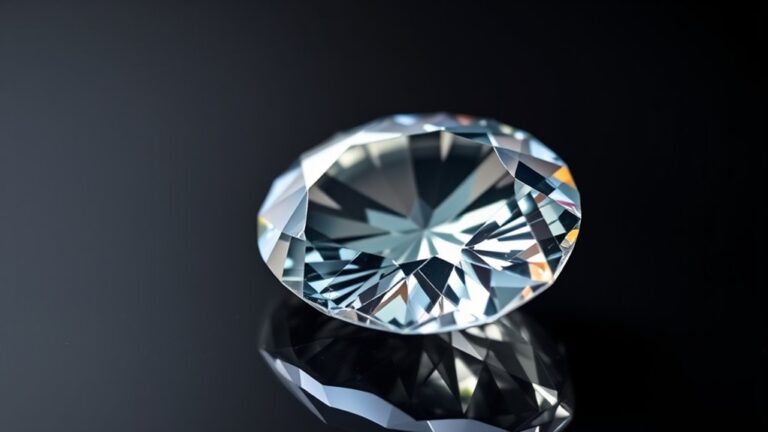
Because a gemstone’s cut determines how light interacts with its facets, it plays an essential role in showcasing the stone’s brilliance and overall appearance. When you examine a well-cut gemstone, you’ll notice its brilliant angles maximize light performance, making the stone sparkle intensely.
Poor cuts can cause light to escape through the sides or bottom, dulling the gem’s shine. The precision of each facet’s placement directly impacts how light reflects and refracts within the stone.
How Carat Weight Affects Gemstone Value
One of the most straightforward ways to assess a gemstone’s value is by its carat weight. The heavier the stone, the rarer and more valuable it generally is.
Carat weight is a simple yet key indicator of a gemstone’s rarity and value.
You’ll notice that pricing trends don’t increase linearly; as carat weight rises, prices often jump exponentially. This is because larger gemstones are less common and more sought after.
When you shop for gemstones, keep an eye on these pricing trends to understand how much more you might pay for a slightly bigger stone. However, don’t rely solely on carat weight. Quality factors like clarity and color also matter.
Still, knowing how carat weight impacts value helps you make informed decisions and better appreciate why a bigger gemstone often commands a higher price.
Why Gemstone Origin Makes a Difference
You’ll find that where a gemstone comes from can really affect its quality. Some places produce rarer, more vibrant stones that stand out. Plus, the history behind a gem’s origin often adds to its prestige and value. So, knowing about a gemstone’s origin helps you understand why it matters when you’re evaluating stones.
Geographic Influence on Quality
Although gemstones can be found worldwide, their geographic origin plays an essential role in determining their quality and value. You’ll find that unique geological formations in specific regions create the ideal conditions for certain gemstones to develop exceptional color, clarity, and size.
For example, sapphires from Kashmir owe their deep blue hue to the area’s particular mineral content. Regional mining practices also impact gemstone quality, as some areas have refined extraction techniques that minimize damage.
When you know where a gemstone comes from, you understand its distinct characteristics shaped by nature’s processes. This geographic influence helps experts assess authenticity and rarity, directly affecting how much a gemstone is worth.
Historical Significance and Prestige
Because certain gemstones have been treasured for centuries, their origins carry historical weight that influences their value today. When you know a gem’s source, you tap into rich layers of cultural symbolism that enhance its prestige.
For example, Kashmir sapphires or Burmese rubies are more prized because their regions are linked to legendary quality and royal heritage. Historical trade routes also play a key role; gems that passed through ancient markets like the Silk Road carry stories of wealth and power.
When you choose a gemstone with a notable origin, you’re not just buying beauty, you’re investing in a piece of history, tradition, and status that few other objects can match. This connection makes the gem more than a stone; it becomes a symbol of cultural legacy.
How Demand and Trends Affect Gemstone Prices
When trends shift, gemstone prices often follow suit, reflecting changes in consumer demand. You’ll notice market fluctuations driven by evolving consumer preferences and fashion influences.
For example, a surge in investment trends can boost prices as collectors seek particular stones. Cultural significance also plays a role, as some gemstones become more desirable during specific festivals or events, creating seasonal demand.
Social media impact amplifies this effect, with viral posts and celebrity endorsements quickly elevating certain gems’ popularity. As you track these factors, you’ll see how demand directly affects price.
Viral posts and celebrity endorsements rapidly boost gemstone popularity, directly influencing market demand and prices.
Understanding these dynamics helps you anticipate when a gemstone’s value might rise or fall, making you a smarter buyer or seller in the ever-changing gemstone market.
How Certification Builds Trust and Adds Value
If you want to feel confident about a gemstone’s quality and authenticity, certification plays an essential role. Certification standards set by reputable labs guarantee you get an unbiased assessment of the gemstone’s characteristics, including its origin, cut, and clarity. This builds trust between you and the seller, reducing uncertainty.
Certification also promotes industry transparency, giving you clear information that helps you make informed decisions. When you buy a certified gemstone, you benefit from verified details that confirm the gem’s authenticity, protection against fraud or misrepresentation, and increased resale value backed by documented proof.
With certification, you’re not just buying beauty, you’re investing in verified quality that holds its worth over time.
How Treatments Affect Gemstone Value
Many gemstones undergo treatments to improve their appearance, but these processes can greatly impact their value. You’ll encounter various treatment types and improvement methods, from heat treatment to irradiation, altering color or clarity.
Understanding the difference between natural vs treated stones is vital because market perception often favors untreated gems, affecting pricing implications substantially. When buying, always seek treatment disclosure to avoid authenticity concerns.
Being educated about treatments empowers you to make informed decisions and recognize fair value. Sellers who openly disclose treatments build trust, while hidden enhancements can damage reputation.
Ultimately, your awareness of how treatments influence value helps you navigate the gemstone market confidently and guarantees you pay a fair price for the stone’s true quality.
Frequently Asked Questions
How Should I Store My Gemstones to Maintain Their Value?
You should store your gemstones in a soft, padded container to prevent scratches and damage. Keep them separate to avoid rubbing against each other.
Pay attention to gemstone storage by controlling humidity levels; too much moisture can harm certain stones. Use silica gel packets or a dehumidifier in your storage area to maintain ideal humidity control.
This way, you’ll preserve your gemstones’ brilliance and maintain their value over time.
Can Synthetic Gemstones Ever Be as Valuable as Natural Ones?
You might think synthetic gemstones could never rival natural ones, but surprise! In some cases, synthetic vs. natural debates are shaking up market trends.
While natural stones usually hold more value due to rarity, high-quality synthetics are gaining traction, especially for affordability and ethical reasons. So, yes, synthetics can sometimes match or even outshine natural stones in value depending on demand, quality, and shifting market preferences. Don’t underestimate them!
What Are the Best Ways to Insure Valuable Gemstones?
To guarantee your valuable gemstones, you should start with a thorough appraisal process by a certified gemologist to determine their precise value. Once you have an accurate appraisal, look for insurance coverage that specifically includes fine jewelry or gemstones.
Make certain the policy covers loss, theft, and damage. Keep all documentation and appraisals updated regularly to guarantee your coverage matches your gemstones’ current worth.
How Do Cultural Beliefs Influence Gemstone Value in Different Regions?
You might think of Cleopatra’s emeralds or India’s sacred rubies when considering how cultural symbolism shapes gemstone value. In different regions, cultural beliefs and regional traditions breathe unique meanings into stones, making them priceless beyond their physical beauty.
For example, jade holds spiritual significance in East Asia, boosting its worth, while turquoise symbolizes protection in Native American cultures. Understanding these influences helps you appreciate why value isn’t just about rarity.
Are Certain Gemstones Better for Everyday Wear and Durability?
Yes, some gemstones are definitely better for everyday wear because of their durability comparison. You’ll find diamonds, sapphires, and rubies top the list since they resist scratches and damage well.
If your lifestyle is active, choosing these stones guarantees your jewelry stays beautiful longer. Softer gems like opals or emeralds might need more care. So, think about durability comparison before picking a gemstone for everyday wear to keep it looking great.
Conclusion
When you choose a gemstone, keep in mind that rarity can make all the difference. Some stones are so rare, fewer than 1 in 10,000 mined are gem-quality. This scarcity, combined with vibrant color, clarity, and expert cutting, shapes their value.
Knowing how origin, demand, and certification play a role helps you make smarter choices. So, next time you pick a gem, think beyond beauty. Its story and quality truly define its worth as a gemstone.