10 Factors That Affect How Much a 5 Carat Diamond Costs
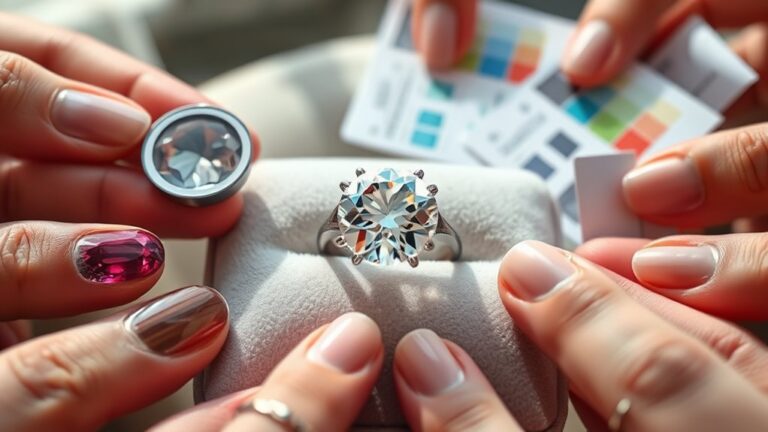
Choosing the perfect 5 carat diamond can feel overwhelming—you’re not alone if you find yourself confused by the many factors that influence its price. Many people struggle with understanding why two diamonds of the same size can have dramatically different costs. It’s a common challenge that comes down to more than just carat weight.
When choosing a 5 carat diamond, you’ll find price depends on carat weight rarity, shape popularity, and cut quality, which affects sparkle.
Color and clarity grades shape value, with top grades costlier. Fluorescence can lower or have little effect on price. Market demand and diamond rarity also play roles, while setting style and metal choice impact total cost.
Your budget and preferences guide these decisions. Investigate further to uncover how each factor shapes your perfect diamond’s price.
Key Takeaways
- Carat weight greatly influences cost, with 5 carat diamonds commanding a premium due to rarity and higher price per carat.
- Diamond shape and cut quality affect price, as popular shapes and superior cuts increase value and visual appeal.
- Color and clarity grades impact pricing, with top color (D, E) and high clarity diamonds commanding higher premiums.
- Fluorescence intensity can lower value if strong, while faint fluorescence usually has minimal effect on price.
- Setting style, metal choice, and brand reputation add to overall cost, with intricate designs and premium metals increasing price.
How Carat Weight Drives 5 Carat Diamond Price
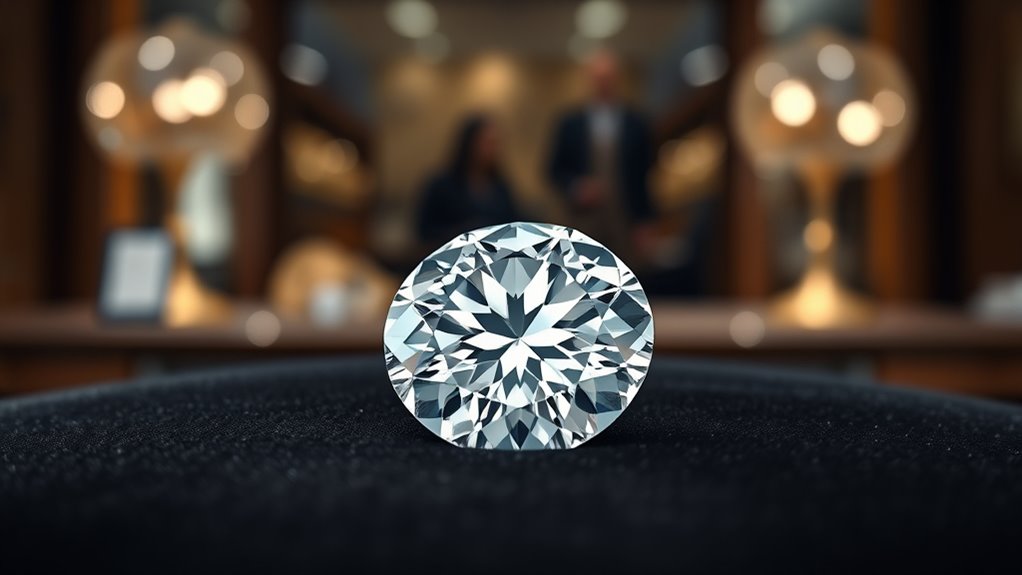
When you look at a 5 carat diamond, its weight immediately influences the price more than any other factor. You might notice that carat pricing isn’t linear; as the weight increases, the price per carat rises sharply.
This happens because larger diamonds are rare, and their weight perception makes them more desirable. When you shop, you’ll find that even small differences in weight can cause significant cost changes. Understanding this helps you see why a 5 carat diamond commands such a premium compared to a slightly smaller stone.
How Diamond Shape Affects 5 Carat Diamond Cost
Although carat weight plays a huge role in pricing, the shape of a 5 carat diamond also greatly impacts its cost. When you choose a diamond shape, you’re affecting its diamond aesthetics and appeal, which influences pricing strategies used by sellers.
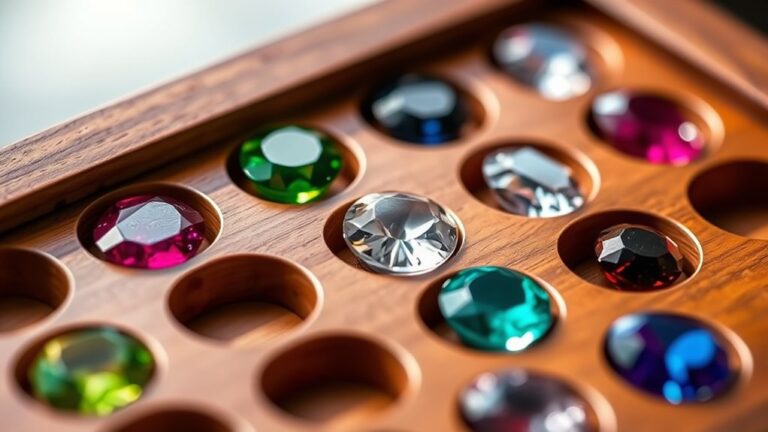
Popular shapes like round and princess cuts often command higher prices due to strong market trends and widespread shape popularity. Conversely, rarer shapes such as marquise or cushion might be priced differently because their shape rarity can either increase demand or limit it.
Your shape preferences not only reflect your style but also play a key role in cost variations. Understanding how shape affects pricing helps you make a smarter purchase that balances beauty and budget.
Why Diamond Cut Quality Matters for Sparkle and Price
Shape influences a diamond’s appeal and price, but the quality of its cut truly determines how much it sparkles and how much you’ll pay. Cut quality directly affects light performance, maximizing sparkle improvement and boosting visual appeal.
When choosing a 5 carat diamond, expert opinions emphasize prioritizing superior cut grades based on established grading standards like those from GIA or AGS. A well-cut diamond not only dazzles more but also holds its value better over time, ensuring value retention.
To make a smart purchase, focus on buying tips that highlight cut precision rather than just size or color. Remember, even a large diamond can look dull if the cut quality is poor, so don’t overlook this essential factor when evaluating cost and beauty.
How Diamond Color Grades Influence 5 Carat Diamond Value
When you check out a 5 carat diamond, its color grade really makes a difference in its value. The scale goes from D, which means colorless, all the way to Z, where you can see a noticeable color. Even tiny changes along this scale can change the price quite a bit. So, knowing how the color scale works helps you understand why color affects the amount you’ll end up paying.
Color Grade Scale
The color grade of a 5 carat diamond plays an essential role in determining its value, as even subtle differences can greatly impact price. When you examine color grading, you’ll notice that diamonds are ranked on a scale from D (colorless) to Z (light yellow or brown). This scale helps standardize color comparison, so you can accurately assess diamond hues.
Your color perception matters, too. What looks nearly colorless to one person might show faint warmth to another. Understanding this scale lets you identify diamond hues that appeal to you while considering how grading influences overall quality.
Impact on Price
Understanding the color grade scale sets the stage for recognizing how these grades directly affect the price of a 5 carat diamond. You’ll find that top color grades, like D or E, command premium prices due to rarity and luxury branding.
Diamond sourcing and ethical considerations also influence value, as consumers increasingly prefer responsibly sourced stones. Market trends and economic factors shift demand, impacting resale value and diamond investments.
Your choice reflects consumer preferences for color quality, affecting both initial cost and long-term worth.
| Color Grade | Price Impact |
|---|---|
| D – E | Highest premium |
| F – G | Slightly lower |
| H – I | Moderate |
| J – K | Noticeable discount |
| L+ | Significant drop |
Why Clarity Matters for 5 Carat Diamond Price
You’ll want to understand how clarity grades affect a 5 carat diamond’s price because even small inclusions can change its value. It might seem minor, but those tiny imperfections really make a difference. Knowing the types and visibility of these flaws helps you spot quality differences more easily. So, clarity plays a key role in determining what you’ll end up paying.
Clarity Grades Explained
Although many factors influence a 5 carat diamond’s price, clarity plays an essential role in determining its value. You’ll want to understand the clarity scale, which ranges from Flawless (no inclusions) to Included (visible imperfections).
Different inclusion types like clouds or feathers affect how a diamond looks and its durability. When choosing your diamond, consider clarity trade offs: higher clarity means fewer inclusions but a higher price. Balancing clarity vs. price helps you find a beautiful diamond within your budget.
| Clarity Grade | Description |
|---|---|
| FL | No inclusions visible |
| VVS | Minute inclusions |
| VS | Minor inclusions |
| SI | Noticeable inclusions |
Knowing this helps you pick the best clarity for your diamond.
Impact On Diamond Value
Clarity directly influences a 5 carat diamond’s value because it affects both its beauty and rarity. When you choose a diamond with high clarity, you’re investing in a gemstone rarity that attracts collector interest and boosts resale value.
The diamond origin and ethical sourcing behind it also play key roles, ensuring the supply chain aligns with your values and market trends. Luxury branding further amplifies the price, as prestigious names demand premium costs for superior clarity.
Market trends show that diamonds with fewer inclusions maintain their allure longer, making them smart investments. So, by prioritizing clarity, you’re not just enhancing the diamond’s sparkle, you’re securing a piece that holds its worth and appeals to discerning buyers over time.
Inclusion Types And Visibility
Because inclusions vary widely in type and visibility, they play an essential role in determining a 5 carat diamond’s price. You need to understand inclusion types and visibility factors since they directly impact perceptions of clarity.
Some clarity variations make a diamond appear “eye clean,” meaning inclusions are invisible to the naked eye, which boosts value. Grading standards classify inclusions based on their size, location, and contrast, influencing the diamond’s clarity grade and price.
| Inclusion Type | Visibility Factor |
|---|---|
| Feather | Low to Moderate |
| Crystal | Moderate to High |
| Cloud | Low to Moderate |
Knowing these helps you choose a diamond with ideal clarity, balancing beauty and cost effectively.
How Certification Affects 5 Carat Diamond Pricing
When you’re shopping for a 5 carat diamond, certification plays an essential role in determining its price. Trusted certification bodies provide an objective diamond grading report that verifies the diamond’s authenticity and quality. This appraisal process gives you buying confidence, ensuring the diamond matches the seller’s claims.
Certification impact goes beyond verification. It influences market trends and resale value, as certified diamonds typically command higher prices. Without certification, you risk overpaying or purchasing a diamond with undisclosed flaws.
The Impact of Fluorescence on 5 Carat Diamond Cost
You’ll notice that fluorescence intensity can actually change how much a 5 carat diamond costs. Sometimes it makes the diamond more affordable, and other times it can make it pricier. Buyers often have mixed feelings about fluorescence, which definitely affects market demand and the price. So, understanding this can really help you make a smarter purchase.
Fluorescence Intensity Effects
Although fluorescence might seem like a minor detail, it can greatly influence the cost of a 5 carat diamond. Different fluorescence types create varied visual effects under UV light, affecting buyer preferences and pricing implications.
Strong fluorescence may cause a milky appearance, lowering value, while faint fluorescence is often unnoticed and priced comparably to non-fluorescent stones. Grading standards carefully note fluorescence intensity, helping you understand market trends. Here’s an overview:
| Fluorescence Intensity | Visual Effect | Pricing Implication |
|---|---|---|
| None | Clear, no glow | Highest price |
| Faint to Medium | Slight glow, subtle | Minor to no discount |
| Strong to Very Strong | Milky or hazy glow | Significant discount |
Knowing these helps you make confident choices when investing in a 5 carat diamond.
Market Perception Influence
Since market perception heavily influences diamond pricing, understanding how fluorescence affects buyer preferences can help you gauge the true cost of a 5 carat diamond. Fluorescence impacts not just the stone’s appearance but also its luxury positioning and emotional value, shaped by brand reputation and societal perceptions. You need to reflect on:
- How consumer trends and cultural significance sway demand, affecting market fluctuations and investment potential.
- Whether fluorescence improves or diminishes a diamond’s appeal, influencing its perceived rarity and desirability.
- The role of marketing in elevating or lowering a diamond’s status, impacting your buying decision and future value.
How Market Demand and Rarity Affect 5 Carat Diamond Prices
When you consider investing in a 5 carat diamond, understanding how market demand and rarity influence its price is essential. The supply chain plays a vital role, as limited availability drives up costs.
Consumer trends and luxury branding also shape demand, with buyers often seeking rare stones that signify status. Global markets fluctuate based on economic factors, impacting how much you’re likely to pay.
Seasonal demand can cause price spikes during peak buying periods, such as holidays. Because 5 carat diamonds are scarce, their investment potential remains high, often preserving or increasing resale value over time.
How Settings Influence Total Ring Cost
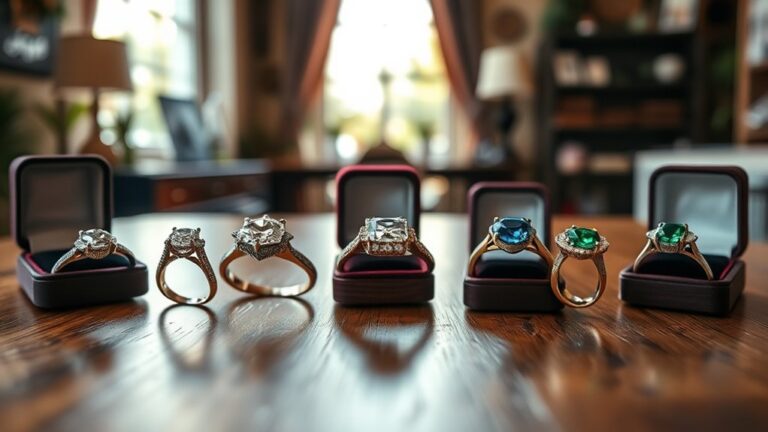
Because the setting frames your 5 carat diamond, it plays a major role in the total ring cost. The choices you make in setting styles and metal types directly impact the price. Here are three key factors to reflect on:
The setting shapes your 5 carat diamond’s look and significantly influences the overall ring cost.
- Setting Styles and Design Complexity Intricate designs or vintage styles usually cost more due to the craftsmanship involved.
- Metal Choices Platinum often costs more than gold or silver, affecting the overall price.
- Brand Reputation and Custom Options Rings from well-known brands or custom-made settings carry premium prices and may add to maintenance costs over time.
How Your Budget and Preferences Shape 5 Carat Diamond Choice
Although a 5 carat diamond makes a stunning statement, your budget and personal preferences ultimately guide your choice. When shopping, keep budget considerations front and center to avoid overspending.
You might prioritize clarity over color or choose a unique cut that matches your style. Your personal preferences shape which diamonds feel right emotionally and visually.
Smart buying strategies like comparing certifications and considering slightly lower grades can help you find a beautiful diamond within your range. Remember, the emotional significance of this purchase matters just as much as its physical attributes.
Frequently Asked Questions
How Do Diamond Treatments Affect the Price of a 5 Carat Diamond?
Diamond treatments can lower the price of a 5 carat diamond because treated stones usually cost less than untreated ones. You’ll find that different treatment types, like clarity improvements or color modifications, impact value differently.
Since many buyers prefer natural diamonds, market demand for treated stones is often lower, which drives their price down. If you want a higher value, you’ll likely choose a diamond with minimal or no treatments.
What Insurance Options Are Recommended for Expensive 5 Carat Diamonds?
In terms of protecting your pricey 5 carat diamond, don’t put all your eggs in one basket. Get a professional diamond appraisal to know its true value, then choose insurance coverage that specifically covers loss, theft, and damage.
Consider a standalone jewelry policy or adding a rider to your homeowner’s insurance. That way, you’re covered for all bases and won’t be left empty-handed if the unexpected happens.
How Does Resale Value Vary for 5 Carat Diamonds Over Time?
Resale value for 5 carat diamonds can fluctuate based on market trends, so you might see it rise or fall over time. If you keep an eye on industry shifts, you can better predict when to sell.
While these diamonds have strong investment potential, they don’t always guarantee high returns quickly. To maximize value, consider holding onto your diamond during favorable market conditions and stay informed about demand and pricing changes.
Are Lab-Grown 5 Carat Diamonds Cheaper Than Natural Ones?
Imagine walking into a jewelry store where the sparkle of a 5 carat diamond catches your eye. Lab vs. natural diamonds differ sharply in price. You’ll find lab-grown 5 carat diamonds are usually cheaper than natural ones because market trends favor natural stones’ rarity.
While lab diamonds shine just as bright, their cost reflects the controlled creation process. This makes them more affordable if you want size and sparkle without the hefty price tag.
What Role Does Jeweler Reputation Play in 5 Carat Diamond Pricing?
Jeweler reputation plays a big role in 5 carat diamond pricing because you’re paying for trust and expertise. When you buy from a jeweler with strong certification, you know the diamond’s quality is verified.
Brand exclusivity also boosts the price since you’re getting something rare and prestigious. So, if you choose a reputable jeweler, expect to pay more, but you’ll gain confidence in your diamond’s authenticity and value.
Conclusion
Choosing a 5 carat diamond is like painting your own masterpiece. Each factor adds a unique brushstroke to the final picture. From carat weight to color, clarity to cut, every detail dances together to shape the diamond’s true value.
Keep your budget and style in mind as your guiding stars, and you’ll find a gem that not only dazzles your eyes but also sings to your soul. Your perfect diamond awaits, ready to sparkle in your story about 5 carat diamond costs.