What Is a Lab Grown Diamond?
Finding the perfect diamond can feel overwhelming, especially when you want something beautiful, ethical, and affordable. If you’ve struggled with choosing between natural diamonds and alternatives that align with your values, you’re not alone. Many people are searching for options that offer both quality and peace of mind.
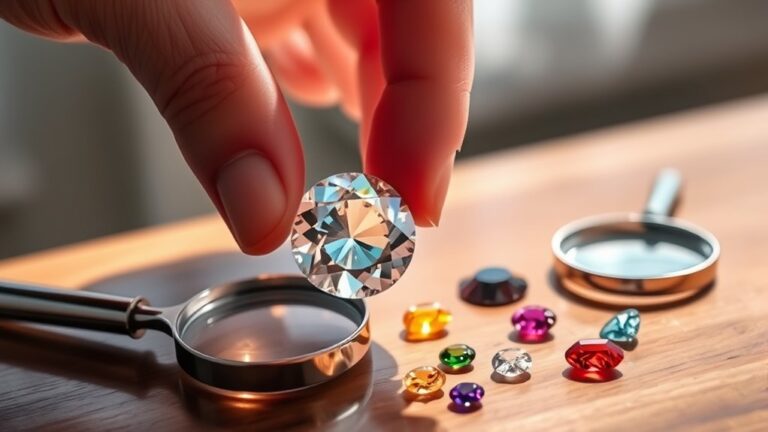
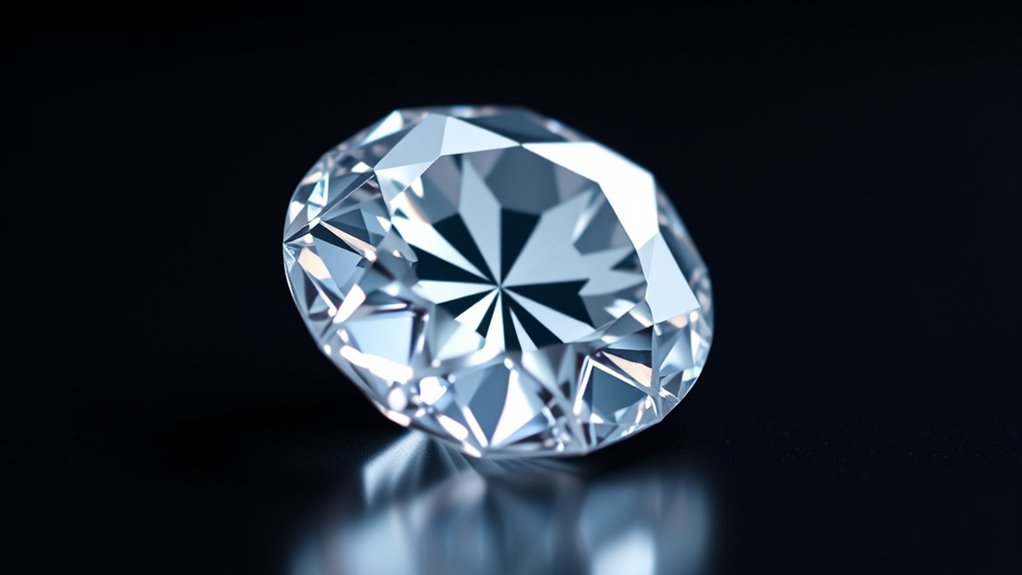
A lab grown diamond is a real diamond created in a lab, sharing the same physical, chemical, and optical properties as natural ones. You get all the sparkle and quality without the environmental harm of mining.
These diamonds form through advanced methods like High Pressure High Temperature or Chemical Vapor Deposition, making them ethical and often more affordable. If you want to understand how they’re made, priced, and cared for, there’s plenty more to investigate.
Key Takeaways
- Lab grown diamonds are real diamonds with identical physical, chemical, and optical properties to natural diamonds.
- They are produced using High Pressure High Temperature (HPHT) or Chemical Vapor Deposition (CVD) methods.
- Lab grown diamonds are authentic, sustainable, and ethically sourced alternatives to mined diamonds.
- They typically have fewer inclusions and distinct growth patterns compared to natural diamonds.
- Lab grown diamonds offer similar brilliance and quality at a lower cost with reduced environmental impact.
What Are Lab Grown Diamonds and How Do They Compare?
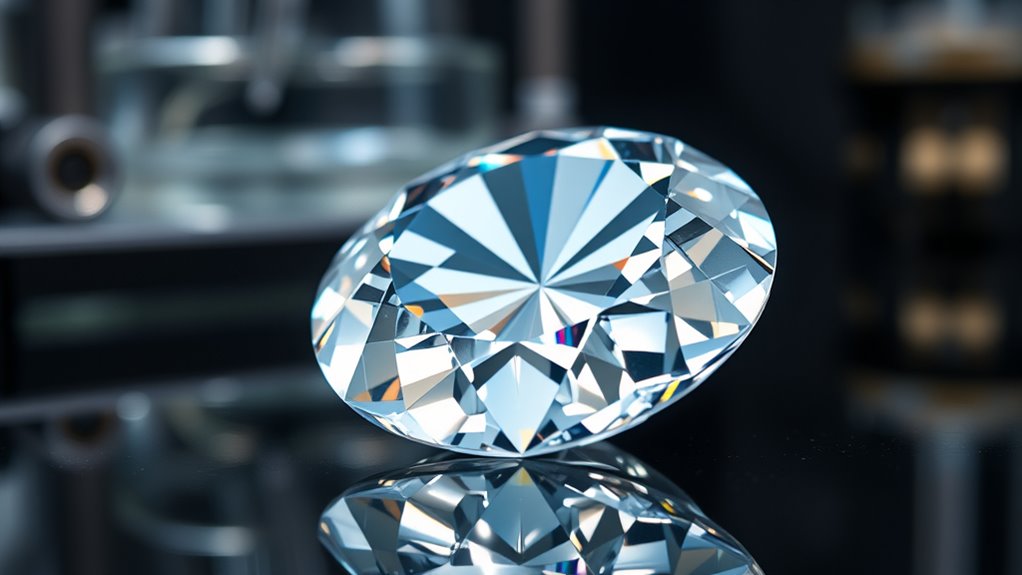
Although they’re created in a lab rather than mined from the earth, lab grown diamonds are real diamonds with the same physical, chemical, and optical properties. You’ll find they offer a sustainable alternative without sacrificing quality or brilliance.
As diamond industry trends shift, more consumers like you prefer lab grown options for their ethical sourcing and affordability. When you compare lab grown diamonds to natural ones, you won’t notice any difference in sparkle or durability.
This rise in consumer preferences is reshaping how diamonds are valued and purchased. So, if you’re considering a diamond, lab grown choices let you enjoy the beauty and prestige of a diamond while aligning with modern values and budgets, making them an appealing option in today’s market.
Are Lab Grown Diamonds Real Diamonds?
How can you tell if a lab grown diamond is a genuine diamond? The truth is, lab grown diamonds are indeed genuine diamonds. They have the same chemical composition, crystal structure, and physical properties as natural diamonds.
The confusion often arises from the real vs synthetic debate, but in this situation, synthetic means created in a lab rather than mined from the earth. Many diamond myths suggest lab grown diamonds are fake or inferior, but that’s simply not accurate. They’re authentic diamonds, just produced differently.
If you’re wondering about authenticity, know that gemologists recognize lab grown diamonds as genuine. So, when comparing, focus on quality, clarity, and cut instead of assuming one is less authentic than the other.
How Are Lab Grown Diamonds Made?
You’ll find that lab grown diamonds are made using two main methods: High Pressure High Temperature (HPHT) and Chemical Vapor Deposition (CVD). Both methods rely on carefully controlling the growth environment to create real diamonds.
High Pressure High Temperature
When you create diamonds using the High Pressure High Temperature (HPHT) method, you simulate the intense conditions found deep within the Earth. This process replicates the natural processes responsible for diamond formation, where carbon is subjected to extreme pressure and temperature over millions of years.
In the lab, you place a small diamond seed into a press that generates pressures above 1.5 million pounds per square inch and temperatures exceeding 1,300 degrees Celsius. Under these conditions, carbon atoms rearrange and crystallize around the seed, growing into a gem-quality diamond.
HPHT allows you to produce diamonds with the same physical, chemical, and optical properties as natural ones, making it a powerful technique to create high-quality lab grown diamonds efficiently.
Chemical Vapor Deposition
One common method to grow diamonds in the lab is Chemical Vapor Deposition (CVD), which uses a different approach than HPHT. In the CVD process, you start with a small diamond seed placed inside a vacuum chamber.
Then, you introduce a gas mixture, usually methane and hydrogen, heated to create plasma. This plasma breaks down the gases, allowing carbon atoms to deposit layer by layer onto the seed, gradually forming a diamond crystal.
The CVD process gives you precise control over the diamond’s purity and growth rate, making it ideal for various diamond applications like jewelry, electronics, and cutting tools. Because of its versatility and lower pressure requirements, CVD has become a popular method for producing high-quality lab grown diamonds efficiently and sustainably.
Growth Environment Control
Controlling the environment inside the growth chamber plays a key role in shaping the quality and characteristics of lab-grown diamonds. When you manage factors like temperature, pressure, and gas composition, you directly influence the diamond properties and overall outcome.
Different growth techniques require precise environment control to produce gems with desired clarity, color, and structure.
Here are four key aspects you should focus on:
- Temperature regulation: Keeps the crystal lattice formation stable.
- Pressure control: Guarantees proper carbon atom bonding.
- Gas mixture balance: Affects diamond purity and growth rate.
- Time management: Determines crystal size and quality.
Technologies Used to Create Lab Grown Diamonds
Although creating lab grown diamonds involves complex processes, the technologies behind them are surprisingly accessible once you understand the basics. Two main methods drive diamond growth: High Pressure High Temperature (HPHT) and Chemical Vapor Deposition (CVD).
Technological advancements have refined these techniques, allowing precise control over crystal formation and quality.
Here’s a quick comparison:
| Technology | Process Description | Key Advantage |
|---|---|---|
| HPHT | Mimics natural pressure | Faster growth |
| CVD | Uses gas plasma | Purity control |
| Both | Carbon atoms arrangement | Creates real diamonds |
| Advancements | Improved equipment | Better consistency |
| Outcome | Gem-quality diamonds | Ethical and ecofriendly |
With these technologies, you get lab grown diamonds that match mined ones in brilliance and strength.
How to Tell a Lab Grown Diamond From a Mined One
How can you tell a lab grown diamond from a mined one? While both look stunning, subtle clues exist in their clarity differences and visual characteristics. Here’s how you can spot them:
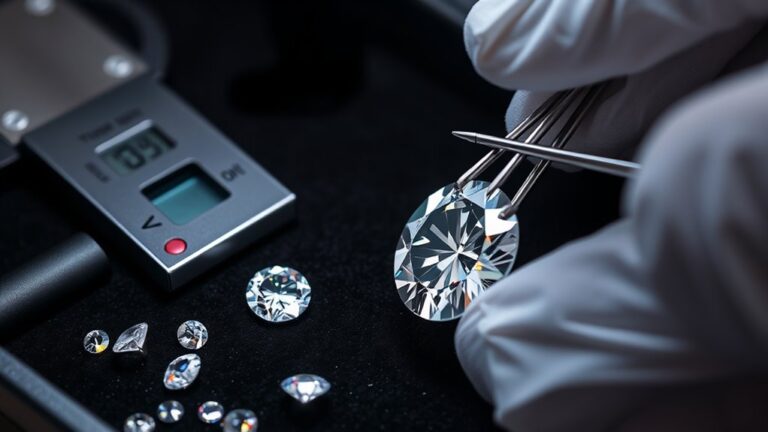
- Clarity Differences: Lab grown diamonds often have fewer inclusions due to controlled growth. This makes them appear cleaner under magnification.
- Growth Patterns: Lab diamonds show distinct patterns when examined with specialized tools. These differ from the natural irregularities found in mined stones.
- UV Light Reaction: Some lab diamonds fluoresce differently under UV light compared to mined ones.
- Certification: Always check the grading report. Labs disclose if a diamond is lab grown or mined.
Benefits of Choosing Lab Grown Diamonds
When you choose lab grown diamonds, you’re making a smarter choice for the environment because it reduces the impact of mining. Plus, you get the luxury of stunning diamonds without having to pay a high price tag. So, let’s take a closer look at how these benefits make lab grown diamonds a great option for you.
Environmental Impact Reduction
Because lab grown diamonds don’t require mining, they greatly reduce environmental damage. When you choose them, you support sustainability practices that protect ecosystems and wildlife. You also help lower the carbon footprint associated with traditional diamond extraction.
Here’s how lab grown diamonds reduce environmental impact:
- No land disruption or habitat destruction occurs.
- Water usage drops greatly compared to mining.
- Energy consumption is more efficient in controlled lab settings.
- Reduced greenhouse gas emissions throughout production.
Cost-Effective Luxury Options
Although lab grown diamonds match natural ones in beauty and quality, they come at a fraction of the cost. This means you can enjoy affordable elegance without compromising on sparkle or durability.
Choosing lab grown diamonds offers a smart way to indulge in sustainable luxury, as these gems require less environmental impact and energy to produce. You’ll find that you can get larger, higher-quality stones for your budget compared to mined diamonds.
Plus, lab grown diamonds give you flexibility to invest in other aspects of your purchase, like a custom setting or unique design. When you pick a lab grown diamond, you’re making a cost-effective choice that doesn’t sacrifice style or ethics.
It’s luxury made accessible and responsible.
Environmental and Ethical Impact of Lab Grown Diamonds
While traditional diamond mining has long faced criticism for its environmental damage and ethical concerns, lab grown diamonds offer a compelling alternative that addresses many of these issues. When you choose lab grown diamonds, you support:
- Sustainable mining by avoiding harmful extraction processes.
- Ethical sourcing that guarantees no conflict or exploitation.
- Eco friendly production that notably reduces the carbon footprint compared to mined diamonds.
- Social responsibility, as manufacturers often promote fair labor practices and community benefits.
Your consumer awareness drives demand for responsible products, pushing the industry toward better standards. Lab grown diamonds let you enjoy beautiful gems without compromising your values, making them a smart, conscientious choice in today’s market.
What Influences the Price of Lab Grown Diamonds?
When you shop for lab grown diamonds, several key factors will shape their price. The main price factors include the diamond’s size, color, clarity, and cut quality. Larger diamonds usually cost more, while higher color and clarity grades boost value.
Cut quality influences brilliance, which also affects price. Furthermore, market trends play an essential role. As demand for lab grown diamonds grows and production technology improves, prices can fluctuate.
Supply chain dynamics and consumer preferences may drive prices down or up. You’ll also find that newer, highly marketed brands might charge a premium. Understanding these price factors and staying aware of market trends helps you make smarter buying decisions without overpaying for your lab grown diamond.
Where to Buy Lab Grown Diamonds Safely
When you’re buying lab grown diamonds, it’s a good idea to go with trusted retailers who offer clear certification to guarantee authenticity. That way, you can be sure you’re getting the real deal.
Also, it helps to compare your options between shopping online and visiting stores in person. This way, you can find what suits your needs best and feels right for you.
Knowing where to shop safely really makes all the difference when it comes to getting a quality diamond. So, take your time and choose wisely!
Trusted Retailers Selection
Because lab grown diamonds have gained popularity, choosing a trusted retailer guarantees you get a genuine product with proper certification and fair pricing. To find the best source, focus on trusted brands known for quality and transparency. The retailer reputation matters greatly, so check reviews and customer feedback before buying.
Here’s how to select a reliable seller:
- Research trusted brands specializing in lab grown diamonds.
- Verify the retailer reputation through independent reviews and ratings.
- Make sure the seller offers clear return policies and customer support.
- Compare prices across retailers to avoid inflated costs.
Following these steps helps you avoid scams and guarantees a smooth buying experience with authentic lab grown diamonds from reputable sources.
Certification and Authenticity
How can you be certain your lab grown diamond is genuine and worth the investment? Start by looking for lab certification from reputable gemological labs like GIA or IGI. These certificates provide detailed information about the diamond’s quality and confirm it was created in a lab, not mined.
Authenticity verification is essential. Always ask the seller to provide documentation that proves the diamond’s origin and characteristics. Avoid deals without proper certification because without it, you risk buying a synthetic diamond that lacks quality assurance.
Online Versus In-Store
Where should you buy your lab grown diamond to guarantee safety and quality, online or in-store? Both options have pros and cons, so it depends on what you value most. Online shopping offers convenience and often better prices, but the in-store experience lets you see and feel the diamond firsthand.
To make a smart choice, consider these points:
- Verify certification to confirm authenticity regardless of the buying method.
- Check the seller’s reputation through reviews and ratings.
- Assess return policies and warranties for peace of mind.
- Evaluate your comfort level—is the tactile in-store experience or the ease of online shopping more important to you?
Balancing these factors helps you buy safely and confidently.
Caring for Your Lab Grown Diamond Jewelry
Protecting your lab grown diamond jewelry guarantees it stays brilliant and beautiful for years to come. Start by using gentle cleaning techniques like warm soapy water and a soft brush to remove dirt and oils without damaging the stone. Avoid harsh chemicals that can dull its shine.
Follow proper storage tips by keeping your diamonds in individual soft pouches or lined jewelry boxes to prevent scratches. Don’t forget регулярная проверка—regularly inspect your settings and stones for any signs of damage or loosening.
Finally, schedule a профессиональная оценка, a professional appraisal, once a year to make certain your jewelry remains in top condition and retains its value. With these simple steps, your lab grown diamonds will continue sparkling brilliantly.
Frequently Asked Questions
Can Lab Grown Diamonds Be Used in Industrial Applications?
Yes, you can definitely use lab grown diamonds for industrial uses. They offer the same hardness and durability as natural diamonds, making them perfect for diamond applications like cutting, grinding, and drilling.
Because they’re more affordable and ethically produced, you’ll find them increasingly popular in industries requiring precision tools. So, if you need reliable materials for tough tasks, lab grown diamonds are a smart, efficient choice for various industrial uses.
Do Lab Grown Diamonds Have Warranties or Guarantees?
Yes, lab grown diamonds often come with warranty options that protect your purchase. When you buy from reputable sellers, you’ll get quality assurance covering defects or damage.
These warranties can include free maintenance, repairs, or replacements, giving you peace of mind. Always check the specific terms, as coverage varies.
Are Lab Grown Diamonds Available in Colored Varieties?
You’ll find lab grown diamonds available in a dazzling spectrum of color options that could outshine a rainbow after a thunderstorm. These gems come in hues like yellow, pink, and even blue, offering variety beyond classic clear stones.
When choosing, you’ll want to check the diamond grading, which assesses color intensity and quality. This ensures you pick a vibrant stone that matches your style perfectly.
How Do Insurance Policies Treat Lab Grown Diamonds?
Insurance policies generally provide coverage for lab grown diamonds, but you’ll want to check the specifics. Insurers treat them comparably to natural diamonds, considering their market value when determining coverage limits.
It’s important you get an accurate appraisal to reflect the current market value, as this affects your premium and claim amount. Make sure your policy explicitly mentions lab grown diamonds to avoid any coverage gaps or disputes.
Can Lab Grown Diamonds Be Resized or Altered Like Mined Diamonds?
Of course, lab grown diamonds can’t be resized or altered said no jeweler ever. You’ll find that resizing techniques and alteration processes work just as smoothly on lab grown diamonds as on mined ones.
They’re real diamonds, after all, so you don’t have to worry about special treatments or restrictions. Whether you want to resize a ring or modify a setting, your jeweler’s skills apply similarly, making your sparkle perfectly fit.
Conclusion
Now that you know lab grown diamonds shine just as brilliantly as mined ones, you’re ready to make an informed choice that dazzles both your heart and the planet. These gems aren’t just real; they’re transforming the jewelry world faster than lightning strikes!
By choosing lab grown diamonds, you’re embracing ethical luxury without compromising quality or style. So go ahead, sparkle responsibly and confidently with your stunning, eco-friendly diamond treasure. Lab grown diamonds are the smart, beautiful choice for today’s conscious shopper!