10 Factors That Determine How Much a 2 Carat Diamond Is Worth
Shopping for a 2 carat diamond can feel overwhelming, especially when you want to make sure you’re getting the best value. You’re not alone—many people struggle to understand what really drives a diamond’s price beyond just its size. Knowing what to look for can save you time, money, and stress.
When figuring out how much a 2 carat diamond is worth, don’t just focus on size. You’ll want to take into account cut quality and shape, since these affect brilliance and popularity.
Color and clarity grades impact visual appeal and price, while fluorescence can change how the diamond looks under different lights. Certification guarantees authenticity and boosts trust.
Market demand, rarity, and brand markups also sway cost. Understanding these factors helps you make a confident choice, and there’s even more to investigate about each one.
Key Takeaways
- Carat weight significantly influences price but must be evaluated alongside cut, color, and clarity for true value assessment.
- Cut quality and diamond shape affect brilliance, visual appeal, and market demand, impacting overall worth.
- Color grading from D (colorless) to Z affects desirability, with higher grades commanding premium prices.
- Clarity and fluorescence levels impact appearance and consumer preference, altering market value.
- Certification, rarity, and brand reputation provide authenticity, boost buyer confidence, and influence resale and pricing.
Why Carat Weight Alone Doesn’t Determine 2 Carat Diamond Price
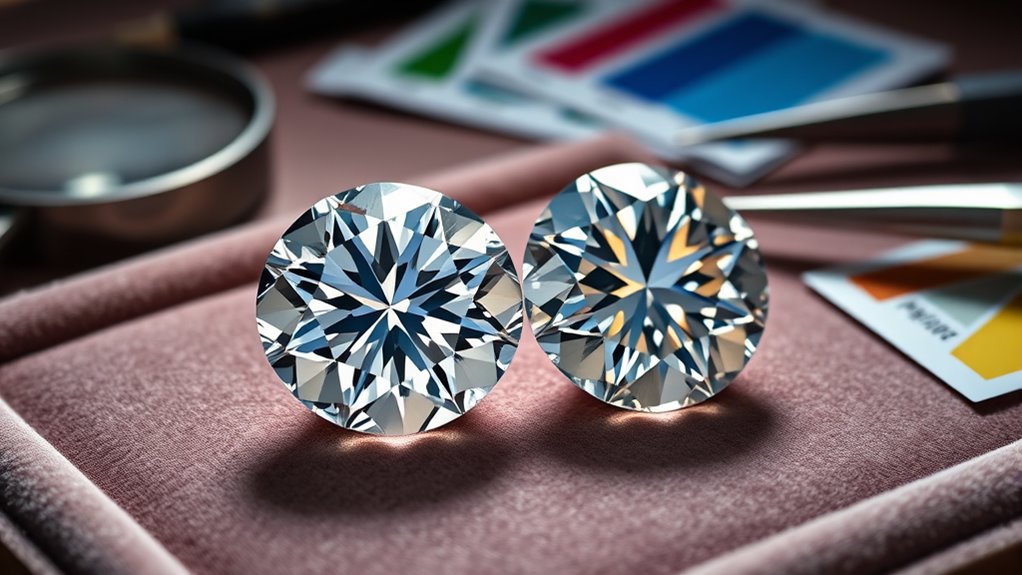
Although carat weight is a key factor, it doesn’t solely determine the price of a 2 carat diamond. You might encounter carat misconceptions that lead to an inflated weight perception, making you believe bigger always means pricier. However, diamond myths often overshadow value clarity.
Pricing strategies consider more than just size; they include market fluctuations and various appraisal factors like color and clarity. To navigate these complexities, consumer education is essential.
Understanding how these elements interact helps you avoid overpaying based on weight alone. When you grasp that carat weight is just one piece of the puzzle, you gain a clearer perspective on true diamond worth, enabling smarter, well-informed decisions in a fluctuating market.
How Cut Quality Influences 2 Carat Diamond Value
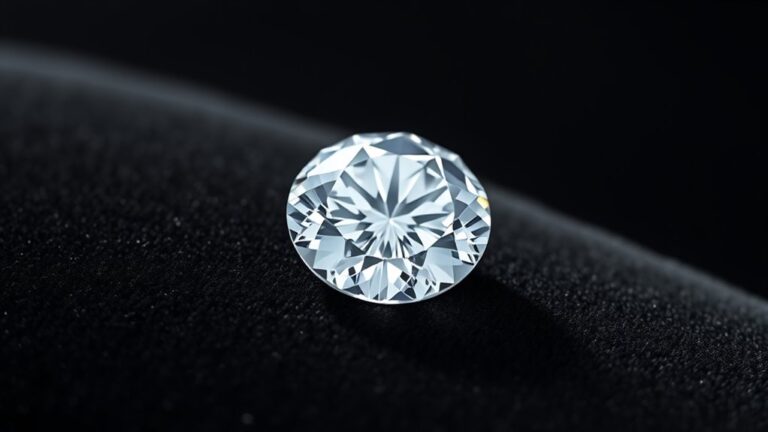
When you choose a 2 carat diamond, the cut quality plays a critical role in determining its value. It affects how the diamond interacts with light, directly influencing its brilliance improvement and overall appearance. Here’s how cut quality impacts your diamond’s worth:
- Light performance: Superior cuts optimize light reflection, making your diamond sparkle more.
- Symmetry grades: Precise symmetry boosts visual appeal and increases value.
- Polish impact: A well-polished surface guarantees maximum shine and clarity.
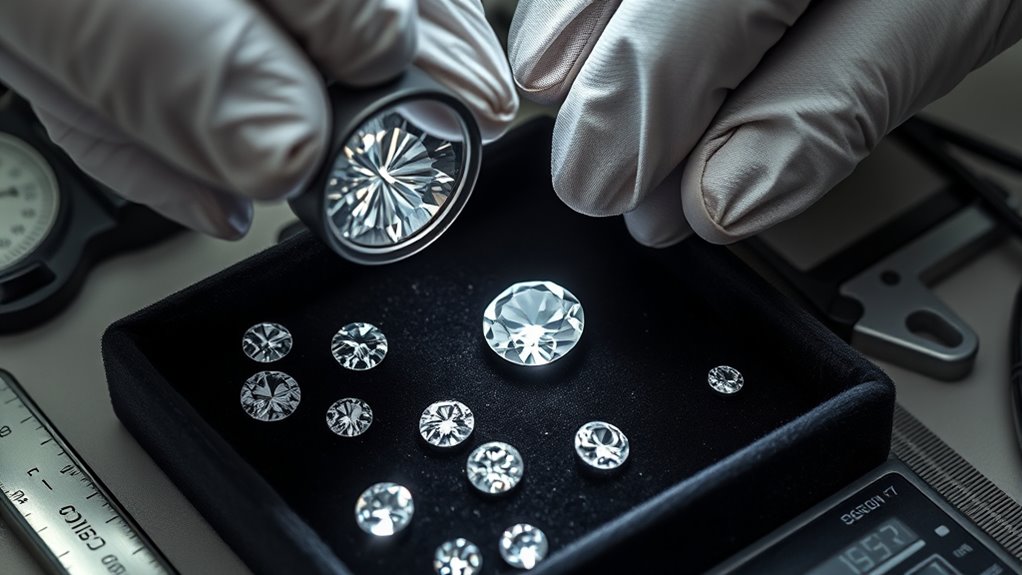
- Expert appraisal: Professionals assess cut quality rigorously, affecting consumer perception and price.
How Shape Choices Affect 2 Carat Diamond Price
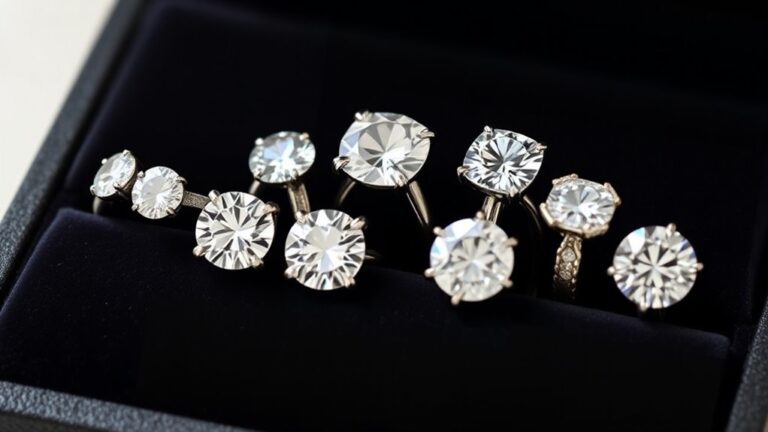
When you’re picking out your 2 carat diamond, the shape you choose really impacts the price. Popular shapes like round and princess usually cost more because they’re in high demand and the cutting process is more complex.
Knowing how the shape affects the value can help you make a smarter purchase. So, it’s worth considering all your options before deciding!
Popular Diamond Shapes
Choosing the right diamond shape plays a crucial role in determining the price of a 2 carat diamond. Each shape offers unique beauty and appeal, affecting both style and value.
Here are four popular shapes you should know:
- Round Brilliance: Classic and highly sought after for its exceptional sparkle.
- Princess Cut: A modern square shape with sharp edges, offering a contemporary look.
- Cushion Shape: Combines a soft square outline with rounded corners for vintage charm.
- Emerald Cut: Known for its elegant, elongated facets that emphasize clarity.
Other notable shapes include oval elegance, marquise style, heart shape, and radiant cut, each bringing distinct flair. Your choice should match personal taste while considering how these shapes complement the diamond’s natural characteristics.
Shape Impact On Price
Although each diamond shape offers distinct beauty, the price you pay for a 2 carat diamond can vary considerably based on your shape choice. Shape trends and buyer preferences heavily influence price variations, with round cuts often commanding higher prices due to their enduring popularity and superior resale value.
Rarity factors also come into play. Unique shapes like marquise or pear can cost more because they’re less common. Market comparisons show that shapes with better setting compatibility and broad aesthetic appeal usually attract higher demand, driving prices up.
Design influence affects not only how the diamond looks but also its valuation. When choosing your diamond shape, consider how it balances your style and investment potential, as shape impacts both immediate price and long-term worth.
How Color Grading Affects 2 Carat Diamond Price
When you’re picking out a 2 carat diamond, color grading is a big deal when it comes to the price. Diamonds get graded on a scale from D, which means completely colorless, all the way to Z, where you start to see a light tint. Even small changes in color grade can make a noticeable difference in cost. So, knowing how these grades impact the price can really help you make a smarter choice.
Color Grades Overview
Because color greatly impacts a diamond’s appearance, it directly affects the price of a 2 carat stone. Understanding color grading helps you make informed consumer choices and appreciate how diamond hues influence visual appeal and value perception.
The industry uses a strict grading scale to categorize color intensity, which guides market preferences.
Here’s what you need to know about color grades:
- The scale ranges from D (colorless) to Z (light yellow or brown).
- Colorless diamonds (D-F) have the highest visual appeal and value perception.
- Near-colorless grades (G-J) balance quality and affordability.
- Lower grades show noticeable color, affecting desirability.
Knowing these factors helps you select a 2 carat diamond that matches your style and budget.
Price Impact By Color
Two key factors drive the price differences in 2 carat diamonds: color grade and market demand. Color grading heavily influences color perception, as even subtle changes in color saturation affect value.
You’ll notice that diamonds with rare, near-colorless grades command higher prices due to color rarity and significance. Color comparison helps you understand why certain hues align with current color trends and preferences, impacting demand.
When choosing your diamond, consider how color grading relates to your taste and budget.
| Color Grade | Price Impact |
|---|---|
| D | Highest value |
| E-F | Slightly less |
| G-H | Moderate |
| I-J | Noticeably lower |
| K-M | Lowest value |
This table shows how color grading shifts price in 2 carat diamonds.
How Clarity Grades Affect 2 Carat Diamond Price
Although clarity might seem like a subtle factor, it plays an essential role in determining the price of a 2 carat diamond. Diamond clarity is assessed using grading scales that classify inclusion types and their visibility. Here’s how clarity grades affect your diamond’s value:
Higher clarity grades mean fewer inclusions, boosting visual impact and price range. Eye clean stones, free of visible inclusions, tend to attract better consumer preferences. Diamonds with noticeable inclusions usually have lower resale value and market perception.
Understanding how clarity grades influence price helps you balance cost with beauty.
How Fluorescence Impacts 2 Carat Diamond Value
You’ll notice that fluorescence intensity can change a 2 carat diamond’s appearance, especially its color. Depending on how strong the fluorescence is, it might make the diamond look slightly hazy or even improve its sparkle. And these effects? They influence market demand, which in turn impacts the diamond’s value.
Fluorescence Intensity Effects
While fluorescence might seem like a minor detail, it can greatly influence a 2 carat diamond’s value. You need to understand how different fluorescence intensities affect pricing and aesthetic appeal. Here’s what to evaluate:
- Fluorescence Types & Visual Effects: Strong fluorescence can cause a milky or oily look under UV light, impacting light performance and buyer perceptions.
- Grading Standards & Diamond Comparison: Laboratories grade fluorescence from none to very strong, helping you compare diamonds accurately.
- Market Trends & Pricing Strategies: Diamonds with faint to medium fluorescence often hold better investment potential due to favorable market demand.
- Buyer Perceptions & Aesthetic Appeal: Some buyers prefer no fluorescence for clarity, while others appreciate slight fluorescence for its subtle glow.
Understanding these factors helps you make informed decisions on a diamond’s worth.
Color Appearance Changes
Fluorescence doesn’t just affect a diamond’s value through intensity. It also changes how its color looks in different lighting.
When you observe a 2 carat diamond, fluorescence can alter color saturation, making hues appear more vibrant or muted depending on environmental effects like sunlight or UV light. This shift influences your visual perception, as color intensity and hue variations become more pronounced or subdued. That impacts the stone’s overall light performance.
For example, a diamond with strong fluorescence might look whiter indoors but show a bluish tint outdoors. Understanding these changes helps you assess true color quality beyond basic grading.
Market Demand Influence
Several factors shape how the market values a 2 carat diamond with fluorescence, and demand plays a key role. You’ll find that:
- Market trends influence how buyers perceive fluorescence; some prefer brighter stones, while others avoid it.
- Buyer preferences shift based on economic factors, affecting demand for fluorescent diamonds in luxury brands.
- Seasonal demand and online sales impact availability and pricing, especially during peak gifting periods.
- International markets and investment potential also sway value, as certain regions favor fluorescence more than others.
Understanding these dynamics helps you gauge how much fluorescence affects a 2 carat diamond’s worth. If you’re investing or purchasing, keeping an eye on these elements guarantees you make a smart choice aligned with current market conditions.
Why Certification Matters When Buying a 2 Carat Diamond
Because a 2 carat diamond represents a significant investment, you’ll want to confirm its quality and authenticity through proper certification. Certification is important because it verifies diamond authenticity and ensures the stone meets strict grading standards set by reputable labs.
This certification boosts your buying confidence by affirming the stone’s true value, ethical sourcing, and alignment with market trends. It also improves resale value and investment potential. Expert opinions rely heavily on certified details, making your purchase transparent and trustworthy.
| Certification Aspect | Why It Matters |
|---|---|
| Grading Standards | Confirms accurate quality assessment |
| Reputable Labs | Validates diamond authenticity |
| Ethical Sourcing | Confirms responsible origin |
| Investment Potential | Increases resale and market value |
How Market Demand and Rarity Affect 2 Carat Diamond Prices
Certification gives you confidence in a 2 carat diamond’s quality, but market demand and rarity ultimately shape its price. When you consider how these factors play out, focus on:
- Supply dynamics Limited availability of high-quality 2 carat diamonds drives prices up.
- Consumer preferences Shifts in style or cultural influences impact demand and pricing trends.
- Economic factors A strong luxury market and overall economy boost investment potential and resale value.
- Rarity Unique color or clarity grades can make a diamond more desirable and costly.
How Brand and Retail Markups Increase What You Pay
While the intrinsic qualities of a 2 carat diamond set its baseline value, the final price you pay often reflects added costs from brand reputation and retail markups. Luxury branding and exclusive collections boost customer perception, letting retailers apply higher markup percentages.
Retail strategies differ between online and offline stores, which impacts price comparison and discount policies. Marketing tactics also play a key role in how much you ultimately spend.
| Factor | Impact on Price | Example |
|---|---|---|
| Brand Reputation | Increases markup % | Tiffany’s premium pricing |
| Retail Strategies | Affects discounts | Online stores often offer better deals |
| Marketing Tactics | Shapes customer perception | Limited editions create urgency |
Understanding these dynamics helps you navigate prices more wisely.
Balancing Factors for Best 2 Carat Diamond Value
When you’re aiming for the best value in a 2 carat diamond, balancing quality, price, and personal preference is key. Understanding diamond pricing strategies and applying solid valuation techniques help you navigate market trends and buyer preferences effectively.
To get the most from your purchase, focus on these four factors:
- Prioritize quality assessments to guarantee the diamond’s cut, color, clarity, and carat weight meet your standards without overpaying.
- Consider diamond sourcing, as ethically sourced stones often maintain better investment potential and resale value.
- Monitor current market trends to time your purchase for best pricing.
- Align your choice with buyer preferences to improve future resale value.
Frequently Asked Questions
How Can I Insure My 2 Carat Diamond?
To insure your 2 carat diamond, you’ll need a professional diamond appraisal first. This appraisal provides a detailed value report, which insurance companies require to determine proper insurance coverage.
Once you have the appraisal, contact your insurer to add the diamond to your existing policy or get a separate jewelry insurance plan. Make sure the coverage reflects the diamond’s appraised value to protect your investment fully.
What Is the Best Way to Clean a 2 Carat Diamond?
Imagine your 2 carat diamond sparkling like a morning star. Keeping it that way means using gentle diamond cleaning methods. You’ll want to soak it in a safe cleaning solution made of warm water and mild dish soap.
Use a soft brush to sweep away dirt without scratching. Avoid harsh chemicals or ultrasonic cleaners unless a jeweler approves. This careful routine keeps your gem dazzling and damage-free, letting it shine bright every day.
How Does Diamond Certification Affect Resale Value?
Diamond certification directly boosts your resale value by confirming certification grades and cut quality, which buyers trust. When you have an official appraisal, it shows appraisal importance and strengthens buyer confidence.
Market demand favors certified stones since they’re easier to verify, and if the diamond comes from a well-known brand, that brand reputation adds extra value. So, getting your diamond certified helps you get a better price when you sell.
Are Lab-Grown 2 Carat Diamonds Cheaper Than Natural Ones?
Yes, lab-grown 2 carat diamonds are generally cheaper than natural ones. You’ll enjoy lab grown advantages like lower price points and ethical considerations, such as reduced environmental impact.
When you do a price comparison, lab-grown stones often cost 30-40% less. Market trends show increasing demand for these diamonds due to their affordability and sustainability, making them a smart, budget-friendly, and eco-conscious choice for you.
What Financing Options Are Available for Purchasing a 2 Carat Diamond?
You can investigate diamond loans, payment plans, and credit options when buying a 2 carat diamond. Many financing companies offer flexible terms, so you can choose what fits your budget considerations best.
Just be certain to compare interest rates carefully to avoid surprises. Some jewelers also partner with lenders to provide in-house financing, making the process smoother.
Always read the fine print before committing to guarantee it works for you.
Conclusion
When shopping for a 2 carat diamond, keep in mind that carat weight is just one piece of the puzzle. In fact, diamonds with excellent cut can be worth up to 70% more than poorly cut ones of the same size.
By considering cut, color, clarity, shape, certification, and market factors, you’ll make a smarter purchase. Balancing these elements guarantees you get the best value without overpaying because a well-chosen diamond truly shines beyond its weight.
Remember, understanding these factors helps you appreciate how much a 2 carat diamond is worth and ensures you find the perfect stone for your budget.