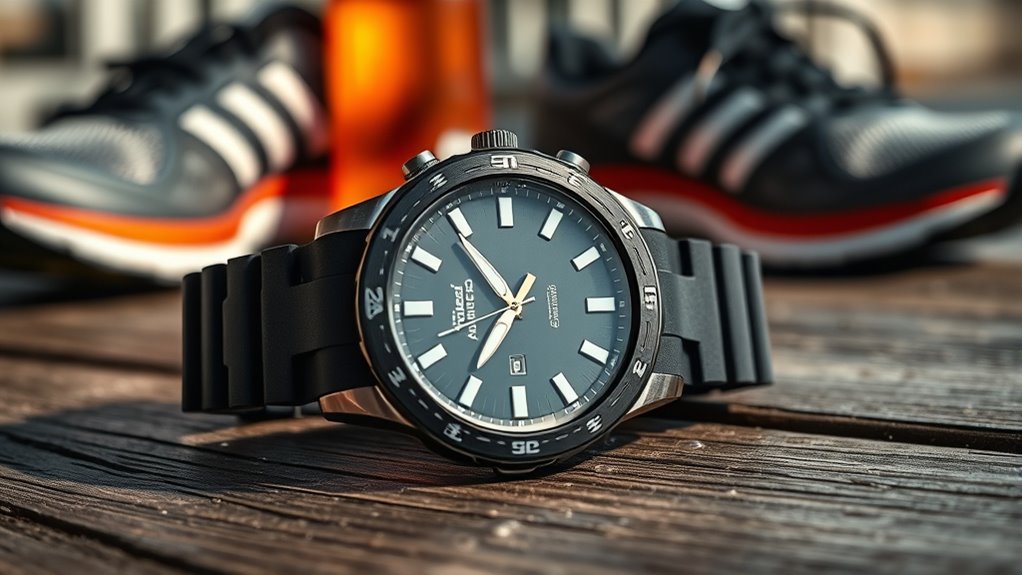
What Are Sport Watches and How to Choose One
Finding the perfect sport watch can feel overwhelming with so many options and features out there. You’re not alone—many people struggle to pick a watch that truly fits their active lifestyle and fitness goals.
Whether you’re a runner, swimmer, or just someone who loves staying active, choosing the right sport watch is key to tracking progress and staying motivated.
Sport watches are durable, tech-packed timepieces that track your fitness, heart rate, and routes while withstanding tough conditions like water and sweat. When choosing one, consider features like GPS for outdoor activities, water resistance for swimming, and sensor accuracy based on your workout needs.
Comfort, battery life, and budget also matter. Look for a watch that fits your style and training routine.
As you investigate further, you’ll uncover how to match these features perfectly to your active lifestyle.
Key Takeaways
- Sport watches combine durability, advanced fitness tracking, and style. They’re designed for active lifestyles and tough conditions.
- Key features include water resistance, GPS, heart rate monitoring, and motivational tools tailored to specific sports.
- Choose watches with durable materials like titanium or sapphire crystal to ensure shock and water resistance.
- Match features like GPS accuracy, sensor precision, and battery life to your preferred sport and training intensity.
- Set a budget, prioritize essential functions, and test comfort, display visibility, and strap adjustability before buying.
What Is a Sport Watch and How Does It Work?
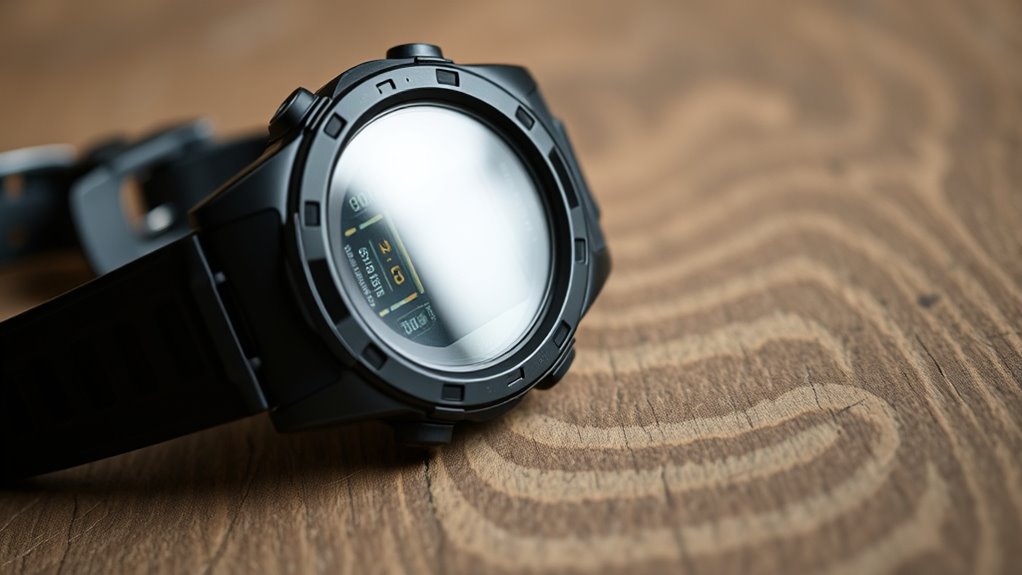
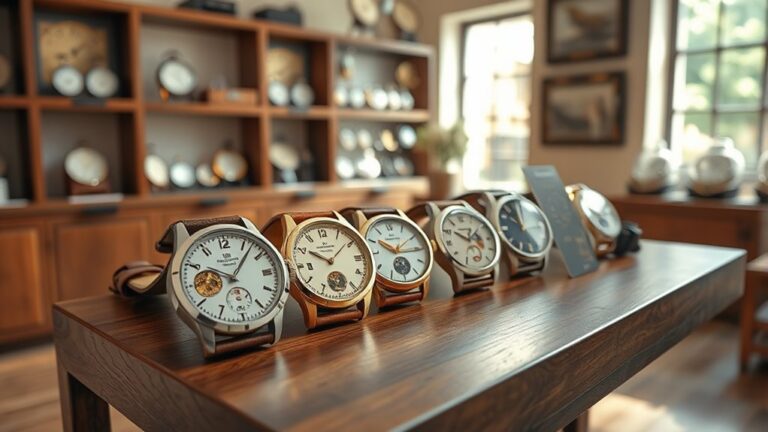
A sport watch is designed to keep up with your active lifestyle by combining durability, functionality, and style. Understanding sport watch history helps you appreciate how these timepieces evolved from simple mechanical models to advanced devices packed with features.
Over the decades, sport watch technology has rapidly progressed, integrating GPS, heart rate monitors, and water resistance, all tailored for athletes and outdoor enthusiasts. When you wear one, it’s not just about telling time; it’s about tracking performance, charting routes, and withstanding tough conditions.
Sport watches are engineered to endure shocks, sweat, and weather changes, ensuring reliability during your workouts or adventures. Knowing how they work lets you choose a watch that truly supports your activity and meets modern demands.
Key Features of Sport Watches
You’ll want to check out the durable materials sport watches are made of since they need to handle tough conditions. And water resistance? That’s a big deal if you’re swimming or get caught in the rain. On top of that, fitness tracking features come in handy to help you keep an eye on your performance and stay motivated with your goals.
Durable Materials Used
Durable materials form the backbone of sport watches, ensuring they withstand the rigors of active use. When you pick a sport watch, material durability and scratch resistance are essential. You want a watch that stays sharp-looking and functional through tough conditions.
Here are common materials that offer excellent durability:
Stainless steel: Strong, corrosion-resistant, and scratch-resistant.
Titanium: Lightweight, durable, and hypoallergenic.
Ceramic: Extremely scratch-resistant and maintains its finish.
Sapphire crystal: Used for watch faces, highly scratch-resistant and clear.
Reinforced resin: Shock-absorbent and lightweight, perfect for rough activities.
Choosing sport watches with these materials means you’re investing in longevity and reliable performance during your adventures.
Water Resistance Levels
Water resistance levels play an essential role in determining how well a sport watch can handle exposure to moisture, whether from rain, swimming, or sweat. When choosing a watch, check its water resistance ratings, usually marked in meters or ATM.
For example, a 50-meter rating suits casual swimming, while 100 meters or more supports snorkeling or diving. Remember, water resistance isn’t permanent; gaskets and seals can wear out over time.
To keep your watch reliable, follow maintenance tips like avoiding pressing buttons underwater and having the seals checked regularly by a professional. By understanding water resistance levels and caring for your sport watch properly, you guarantee it stays functional and durable through all your active adventures.
Fitness Tracking Functions
Fitness tracking functions transform a sport watch into a powerful tool that helps you monitor and improve your health and performance. By using features like heart rate and calorie tracking, you gain real-time insights into your body’s responses.
Sleep monitoring and recovery tracking guarantee you’re optimizing rest for better results. Activity reminders keep you moving throughout the day, while workout analysis and interval training guide your sessions for maximum efficiency.
Many sport watches also include motivation tools and stress management features to keep you balanced and focused. Key fitness tracking functions to look for include:
- Heart rate and calorie tracking
- Sleep monitoring and recovery tracking
- Activity reminders and goal setting
- Workout analysis and interval training
- Stress management and motivation tools
These features make reaching your fitness goals easier and smarter.
How Sport Watches Track Fitness and Health
Although sport watches may look like regular timepieces, they pack advanced sensors that monitor your health and activity in real time. They track your heart rate, sleep, calories, and steps, giving you a clear picture of your fitness.
You get workout reminders, hydration tracking, and interval training support to push your limits safely. Recovery analysis and stress management features help you avoid burnout. Plus, goal setting keeps you motivated.
| Feature | Benefit | Emotion |
|---|---|---|
| Heart rate | Accurate fitness data | Confidence |
| Sleep tracking | Better rest insights | Calm |
| Workout reminders | Stay consistent | Motivation |
| Stress management | Balanced lifestyle | Peace of mind |
How GPS and Sensors Boost Your Training
You can boost your training by using GPS and sensors to get accurate location tracking and real-time performance metrics. These features let you keep an eye on your pace, distance, and progress with precision.
And with all this data right at your fingertips, you’ll be able to make smarter workout decisions every time. It’s like having a personal coach guiding you along the way.
Accurate Location Tracking
When you rely on GPS and advanced sensors in sport watches, your training gains a whole new level of accuracy and insight. Location accuracy has improved dramatically thanks to cutting-edge GPS technology, letting you track your routes and distances with precision. This means you can focus on your performance, knowing your watch captures every step and turn exactly.
Here’s how accurate location tracking benefits you:
- Pinpoints your exact route during runs or rides
- Measures distance covered with minimal error
- Tracks elevation changes accurately for varied terrain
- Records pace based on real location data
- Syncs data seamlessly with fitness apps for analysis
With these features, your training becomes smarter and more tailored to your goals.
Real-Time Performance Metrics
Real-time performance metrics transform your training by delivering instant feedback powered by GPS and advanced sensors. With real-time tracking, you can monitor your speed, distance, heart rate, and cadence as you move, allowing you to adjust your effort on the fly.
This immediate insight helps you push harder or recover when needed. The sensors collect detailed data that feeds into performance analysis, revealing patterns and progress over time.
Connectivity and Apps for Sport Watches
Although a sport watch’s design and sensors are essential, its true power lies in connectivity and apps that improve your training experience. When choosing one, consider how well it integrates with your smartphone and other fitness devices.
A sport watch’s real strength is in its connectivity and app integration, enhancing your training experience.
A seamless app integration lets you track progress, set goals, and analyze data effortlessly. Look for watches that support popular fitness ecosystems to keep all your activities synced.
The user interface should be intuitive, making it easy to navigate stats and notifications during workouts. Also, check smartphone compatibility to guarantee smooth syncing and updates.
Key features to focus on include:
- Real-time data syncing with apps
- Compatibility with major fitness platforms
- Easy-to-use user interface
- Notifications and alerts on the watch
- Customizable app settings for personalized training
Battery Life and Durability of Sport Watches
Because you rely on your sport watch throughout intense workouts and long days, battery life and durability become vital factors. Advances in battery technology mean you can find watches that last from several days to weeks on a single charge. When choosing, look at a longevity comparison between models to pick one that suits your activity level.
Durability is just as important. Your watch should withstand shocks, water, and sweat without faltering. Materials like reinforced stainless steel, sapphire glass, and rugged polymers improve toughness. Also, check for water resistance ratings tailored to your sports.
Best Sports and Activities for Sport Watches
You’ll find sport watches designed to match popular sports like running, swimming, and cycling. Each watch comes packed with features tailored to those activities, helping you track your performance and step up your game. So, let’s dive in and see which sports get the most out of these specialized tools.
Popular Sports Compatibility
When choosing a sport watch, you’ll want to think about the specific activities you enjoy most. Different models excel in various sports. Whether you’re focused on running efficiency or monitoring cycling metrics, a compatible watch can boost your performance.
Swimmers benefit from tracking swimming strokes, while hikers rely on watches for accurate navigation. Gym workouts and outdoor adventures also demand watches that withstand diverse conditions and help prevent injury. Triathletes often look for triathlon tracking capabilities to streamline their training.
Here are popular sports where sport watches shine:
- Running: optimize running efficiency and pace
- Cycling: analyze cycling metrics and routes
- Swimming: count swimming strokes and laps
- Hiking: navigate trails with GPS precision
- Gym workouts: track performance and prevent injury
Choose a watch that matches your sport preferences to get the most out of it.
Activity-Specific Features
Three key features make sport watches stand out for specific activities: GPS accuracy, heart rate monitoring, and activity tracking. When choosing a sport watch, you should consider your training preferences and the activity environments you frequent.
For running or cycling outdoors, precise GPS helps map routes and measure pace. If you prefer indoor workouts or swimming, focus on watches with reliable heart rate sensors and water resistance.
Activity tracking lets you monitor progress in real-time, guaranteeing you meet goals whether you’re hiking rugged trails or doing high-intensity interval training. Matching these features to your sport guarantees your watch supports performance and recovery, tailored to your unique routines.
Ultimately, understanding your activity environments and training needs guides you to the best sport watch for you.
Matching Sport Watches to Your Workout
Although many sport watches share similar features, choosing one that aligns with your specific workout can improve your performance and tracking accuracy. Consider how your training intensity and workout environment affect your needs. For example, high-intensity interval training demands precise heart rate monitoring, while outdoor workouts call for durable, weather-resistant designs.
Selecting a sport watch tailored to your workout enhances accuracy and supports performance in varied training conditions.
To match your sport watch to your workout, focus on these factors:
- Assess training intensity to select appropriate sensor accuracy
- Choose water resistance based on swimming or rainy conditions
- Look for GPS if you run or cycle outdoors
- Prioritize battery life for long sessions or multi-day activities
- Confirm the watch fits comfortably and withstands your environment
Choosing a Sport Watch Within Your Budget
Finding a sport watch that fits your budget doesn’t mean you have to sacrifice essential features or quality. Start by setting clear budget considerations to narrow your options.
Determine which features matter most to you, like GPS, heart rate monitoring, or water resistance, and focus on watches offering those within your price range. Next, conduct brand comparisons to find the best value.
Some brands excel in durability, while others prioritize advanced tech or stylish design. Don’t overlook lesser-known brands that might provide comparable performance at a lower price.
Tips for Testing and Buying Sport Watches
Once you’ve narrowed down your options based on budget and features, it’s time to test the sport watches in person. Trying them on helps you assess comfort and see if the design fits your style preferences. Don’t forget to make brand comparisons to guarantee you get the best value and quality.
When testing, keep these tips in mind: check the watch’s weight and how it feels during movement. Test all functions like timers or GPS to confirm ease of use. Inspect the display for visibility in different lighting conditions. Evaluate the strap’s material and adjustability for comfort. Ask about warranty and after-sale support for peace of mind.
These steps help you confidently choose a sport watch that matches your needs and personal style.
Frequently Asked Questions
Can Sport Watches Be Used for Underwater Photography?
Yes, you can use sport watches for underwater photography if they have strong water resistance and specific underwater features. Look for watches rated for deep water pressure and equipped with functions like depth sensors or plunge timers.
These features help you track time and depth safely while shooting. Just make sure your watch’s water resistance matches the depth you plan to plunge so it won’t get damaged during your underwater sessions.
Do Sport Watches Support Multiple User Profiles?
Like a chameleon adapting to its surroundings, many sport watches support multiple user profiles, allowing you to switch seamlessly between settings. This feature helps with user customization, so you can tailor workout metrics, notifications, and preferences for different activities or users.
Whether you share your watch or want separate profiles for running and swimming, these watches make it easy to personalize your experience without hassle.
How Do Sport Watches Handle Firmware Updates?
Sport watches handle firmware updates by regularly checking for new versions through their companion apps or directly via Wi-Fi or Bluetooth. You’ll want to guarantee firmware compatibility with your device to avoid issues.
Update frequency varies by brand but typically occurs every few weeks to improve features and fix bugs. Keeping your watch updated guarantees it performs at its best and stays secure, so don’t ignore those update notifications when they pop up.
Are Sport Watches Compatible With Non-Smartphone Devices?
About 60% of sport watches offer compatibility with non-smartphone devices, so you can often sync them with tablets or fitness equipment. Their design features usually include Bluetooth or ANT+ connectivity, letting you connect seamlessly beyond just phones.
Since battery life matters, these watches optimize power use for extended sessions with various devices. You’ll find many models cater to multi-device use, making your workout tracking flexible and convenient.
Can Sport Watches Track Nutrition or Diet Information?
Yes, many sport watches offer nutrition tracking and diet monitoring features. You can log your meals, track calorie intake, and monitor macronutrients directly on the watch or through a connected app. This helps you stay on top of your dietary goals while training.
Just make sure to choose a model with robust nutrition tracking capabilities if diet monitoring is important to you. It’ll make managing your health much easier during workouts.
Conclusion
Choosing a sport watch isn’t just about gadgets; it’s about embracing a partner in your fitness journey. With features that gently guide your progress and sensors that quietly cheer you on, these watches become more than devices—they become your silent motivators.
As you find one that fits your budget and style, you’re not just buying a watch. You’re welcoming a supportive companion that makes every workout feel a little more achievable and every goal a little closer, making sport watches an essential part of your fitness routine.