5 Key Factors That Determine How Much a Necklace Does Cost
Trying to figure out how much a necklace should cost can be really confusing. You’re not alone—many people struggle with understanding what drives the price of these beautiful pieces.
Whether you’re shopping for yourself or looking for the perfect gift, knowing what affects necklace prices can save you time and money.
You’ll find that a necklace’s cost depends on five key factors. The materials used, like gold purity and rare gemstones, directly affect value.
Craftsmanship also plays a big role. Handmade, intricate designs usually cost more.
Style and complexity, such as chain length and pendant detail, influence price too.
Brand reputation adds prestige and raises costs, while current market trends can push prices higher.
Keep exploring, and you’ll uncover exactly how each factor shapes the final price.
Key Takeaways
- Gold purity and metal type significantly affect necklace prices. Higher karats and precious metals cost more.
- Skilled craftsmanship and intricate detailing increase the value and price of a necklace.
- Necklace style, including pendant complexity and chain length, influences material use and cost.
- Brand reputation and designer exclusivity drive prices higher through perceived quality and prestige.
- Current market trends and fashion demand can raise necklace prices beyond material and labor costs.
Which Materials Drive Necklace Prices
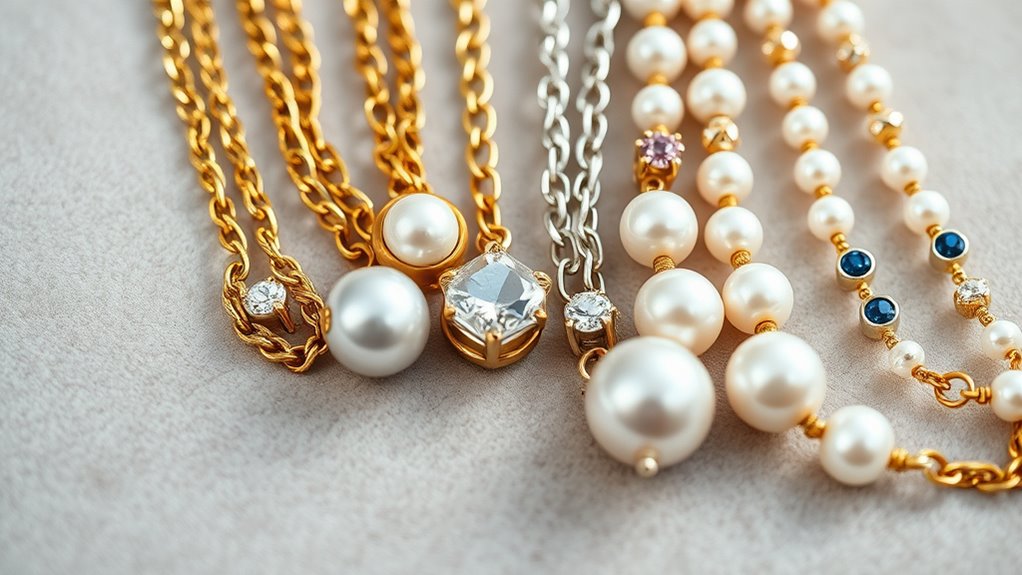
Although many factors influence necklace prices, the materials used play the biggest role in determining cost. When you choose a necklace, the gold purity directly affects its value. Higher karat gold is pricier because it’s richer.
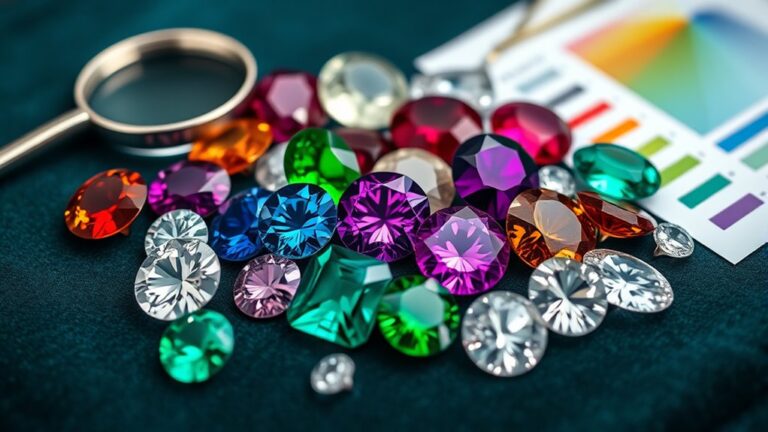
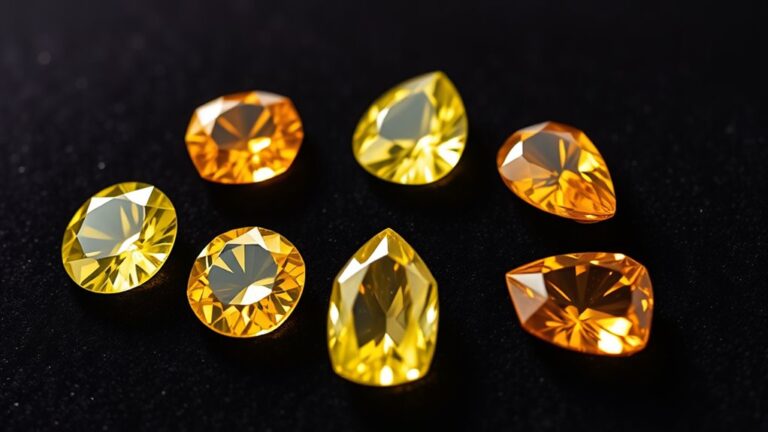
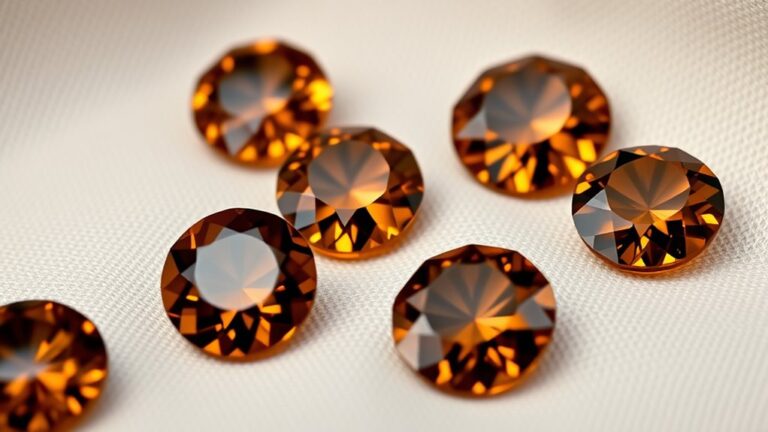
Besides gold, the metal type matters. Platinum and silver come at different price points, with platinum generally costing more. Gemstone rarity also plays an essential part. Rare stones like diamonds or sapphires drive prices up compared to common gems.
Finally, design intricacy influences material costs because complex designs often require more precious metals and stones to bring them to life. By understanding these material factors, you can better grasp why some necklaces command higher prices than others.
How Craftsmanship Influences Necklace Costs
When you examine a necklace closely, the craftsmanship becomes clear and plays a crucial role in its cost. You’ll notice that necklaces created using handmade techniques often command higher prices because each piece requires skill and time.
Artisans carefully shape, assemble, and finish every component, ensuring quality and uniqueness. Intricate detailing further boosts the value by showcasing the jeweler’s expertise and attention to fine elements, such as delicate engravings or precise stone settings.
This level of craftsmanship not only improves the necklace’s beauty but also its durability and exclusivity. So, when you choose a necklace with superior workmanship, you’re investing in both artistry and long-lasting appeal, which naturally influences how much you’ll pay.
Why Necklace Style and Complexity Matter
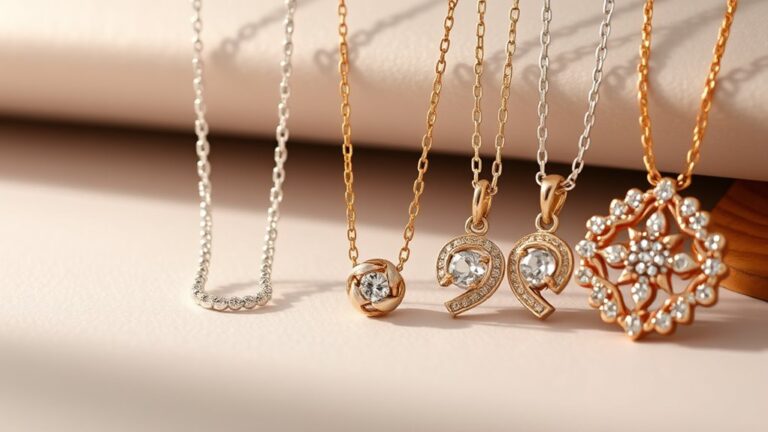
The style and complexity of a necklace directly impact its cost because they dictate the design’s intricacy and the amount of work involved. When you choose a necklace, factors like pendant types, chain length, and gemstone settings influence the final price. More detailed designs require skilled craftsmanship, increasing cost.
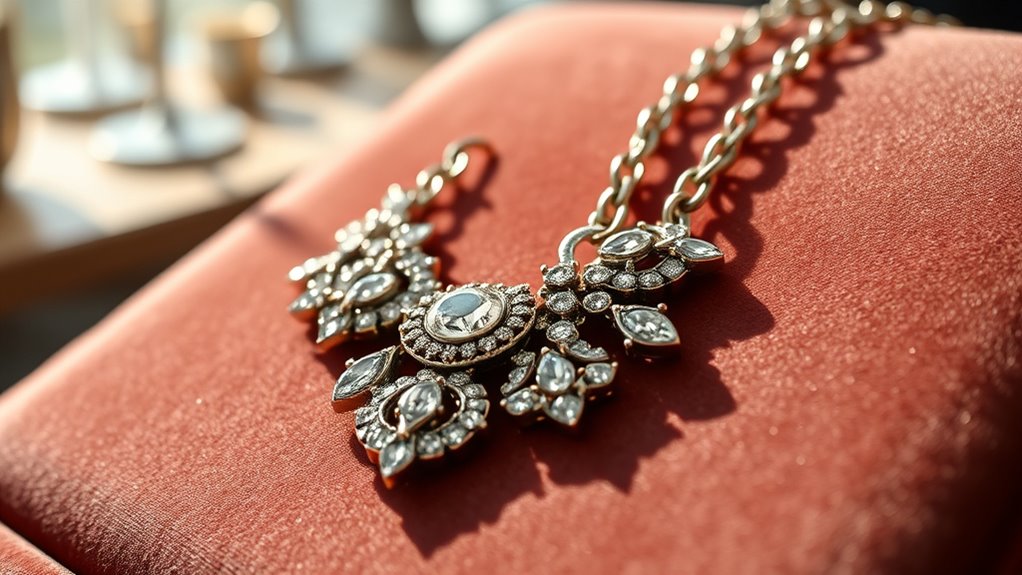
Vintage styles often demand special techniques and materials, adding to expenses. Layering options and current fashion trends also play a role, as popular styles may carry a premium.
Consider these points when selecting a necklace:
- Pendant types: Elaborate or custom pendants raise the price.
- Chain length: Longer or adjustable chains require more material.
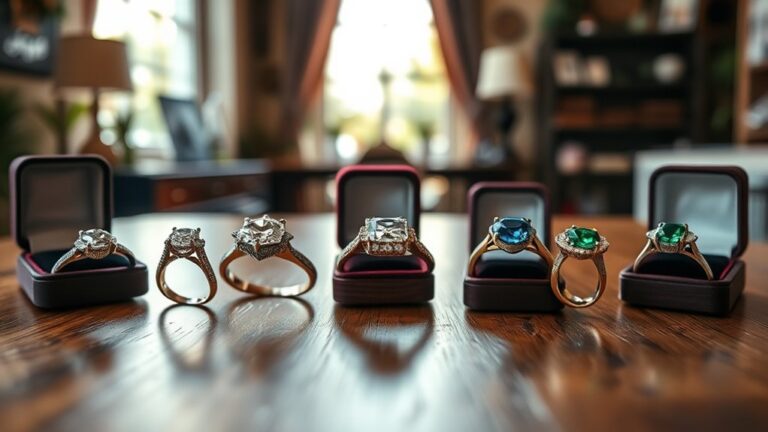
- Gemstone settings: Complex settings need precision and time.
These elements combine to shape the necklace’s overall value.
How Brand and Designer Reputation Affect Necklace Prices
Since a well-known brand or designer often commands higher prices, you’ll find their necklaces priced accordingly. Luxury branding adds value because it signals quality, prestige, and exclusivity. When you buy from a reputable designer, you’re not just paying for materials but also their craftsmanship and legacy.
Designer collaborations further impact prices, as limited-edition pieces created with notable artists or celebrities tend to be more expensive due to their uniqueness and demand. These collaborations often blend distinct styles, attracting collectors and fashion enthusiasts willing to pay a premium.
How Market Trends Influence Necklace Costs
Although you might focus on materials or craftsmanship, market trends play a big role in determining necklace costs. When you buy a necklace, you’ll notice prices often shift based on what’s popular. For example, trending colors can drive demand, making certain pieces pricier.
Market trends, like popular colors, significantly influence necklace prices beyond just materials or craftsmanship.
Seasonal designs also affect costs. Necklaces matching current fashion seasons tend to be more expensive due to higher demand. Moreover, limited-edition collections linked to trends can command premium prices.
Here’s how market trends influence necklace costs:
- Trending colors increase demand and price.
- Seasonal designs align with fashion cycles, affecting availability.
- Limited-edition trend-driven pieces often carry higher costs.
Frequently Asked Questions
How Does Necklace Length Impact Its Price?
Necklace length impacts its price because longer chains require more material, increasing costs. If you choose a high material quality like solid gold or platinum, the price will rise further with length.
Also, chain style matters. Intricate or heavier styles cost more to produce, especially in longer lengths. So, when you pick a necklace, keep in mind that both the length and the combination of material quality and chain style directly affect how much you’ll pay.
Are Custom Engravings Included in Necklace Cost?
Think of custom engravings as the cherry on top of your necklace sundae. They often aren’t included in the base price.
When you choose personalization options like engraving techniques, you’re adding a unique touch that usually comes with an extra fee. These costs depend on the complexity and style of the engraving.
Does Necklace Packaging Affect the Overall Price?
Yes, necklace packaging does affect the overall price. When you choose high-quality packaging materials, it adds to the cost because these materials aren’t cheap.
Plus, if the brand has a strong reputation, they often invest in premium packaging to improve your experience, which can raise the price. So, when you buy a necklace, the elegant box or pouch you get is part of what you’re paying for.
How Do Seasonal Sales Influence Necklace Pricing?
Think of seasonal sales as the tides that rise and fall, shifting the shores of necklace prices. When seasonal trends peak, you’ll find market demand surging like a high tide, pushing prices up.
But when the tide recedes during off-peak times, prices often drop, giving you a chance to snag a deal. So, by watching these waves, you can time your purchase to ride the best price currents.
What Role Do Return Policies Play in Necklace Cost?
Return policies play a big role in necklace cost because they build customer trust. When a seller offers a generous return policy, you feel more confident buying, which can justify a higher price.
You’re fundamentally paying for the peace of mind that you can return the necklace if it doesn’t meet your expectations. Without a solid return policy, sellers might lower prices to attract cautious buyers, affecting overall cost.
Conclusion
When choosing a necklace, keep in mind that “you get what you pay for.” The materials, craftsmanship, style, brand, and current trends all play a big role in the price you’ll see.
By understanding these factors, you can make a smarter choice that fits your budget and taste. So, take your time and enjoy the process. You’ll find a necklace that’s truly worth every penny when you consider what determines how much a necklace does cost.