7 Key Factors That Determine How Much a Diamond Ring Costs
Finding the perfect diamond ring can feel overwhelming. You’re not alone; many people struggle with understanding what truly influences a diamond’s price. With so many factors to consider, it’s easy to feel lost in the details. But don’t worry, we’re here to help you navigate this journey with confidence.
When deciding how much a diamond ring costs, consider the 4 Cs: cut, clarity, color, and carat weight, as they greatly impact value.
Next, choose the right metal, since options like platinum and gold vary in durability and price.
Market demand also plays a role, especially during peak wedding seasons.
Finally, set a budget that balances your desires with reality.
There are more essential factors to investigate that can help you make an informed decision.
Key Takeaways
- 4 Cs of Diamonds: Cut, clarity, color, and carat weight significantly impact a diamond’s overall value and cost.
- Metal Selection: The choice of metal, like gold, platinum, or silver, affects both appearance and price.
- Market Demand: Seasonal trends and consumer preferences can drive prices up, especially during peak wedding seasons.
- Customization vs. Pre-Made: Custom designs may cost more but offer uniqueness. Pre-made options provide convenience at potentially lower prices.
- Budgeting Considerations: Personal financial circumstances and additional costs, like insurance, should be included in the overall budget for a ring.
The 4 Cs: Cut, Clarity, Color, and Carat Weight
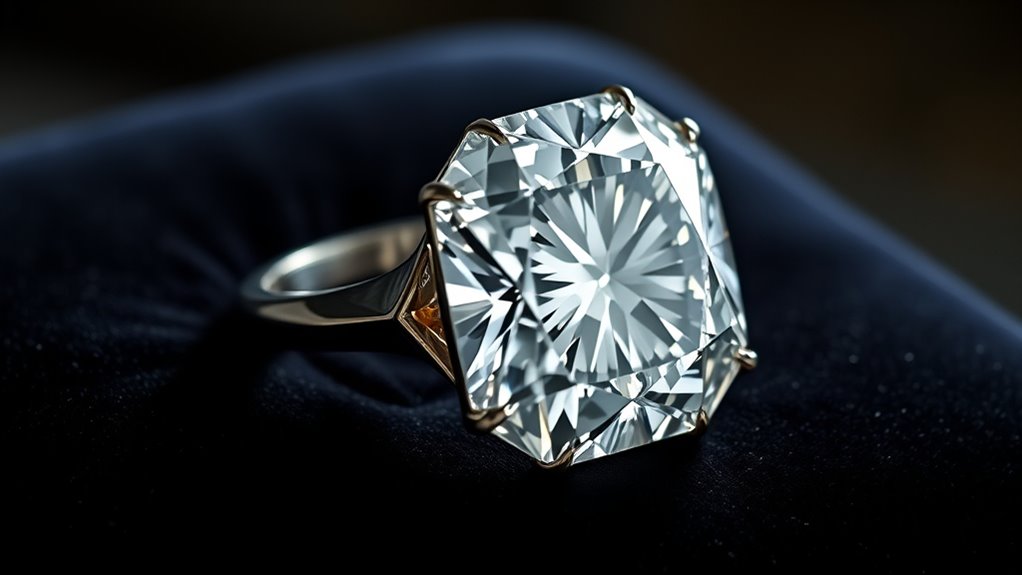
Regarding diamond rings, understanding the 4 Cs—Cut, Clarity, Color, and Carat Weight—can help you make an informed choice. Each factor plays a significant role in diamond grading and impacts the overall beauty and price.
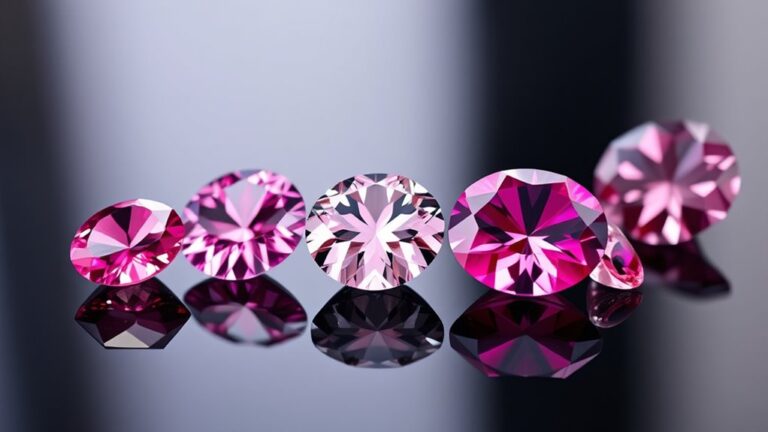
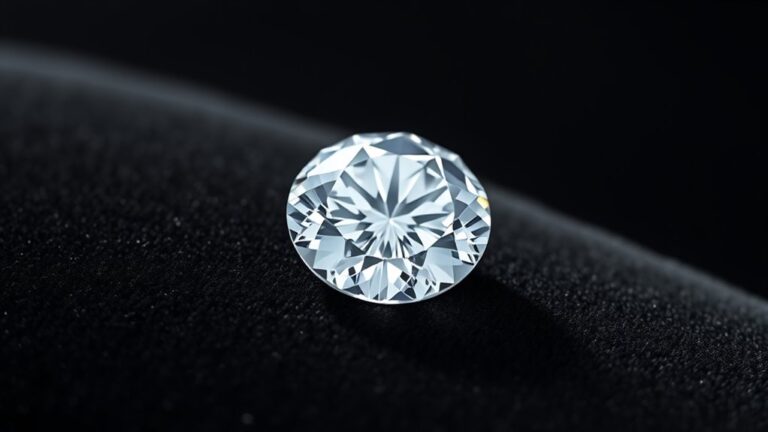
The importance of cut can’t be overstated. It influences how light interacts with the diamond, enhancing its brilliance.
The cut of a diamond is crucial, as it determines its brilliance by how light is reflected.
Next, the clarity scale measures imperfections. Higher clarity typically leads to a higher cost.
Color significance comes into play too. Diamonds with less color are generally more valuable.
Finally, carat weight affects size and price. But remember, a larger carat doesn’t always mean higher quality.
Choosing the Right Metal: Its Impact on Pricing
When selecting a diamond ring, the metal you choose greatly affects the overall price and style.
Different metal types, like gold, platinum, and silver, offer varying aesthetic appeal and durability factors. For instance, platinum is more expensive but highly durable.
Gold has multiple alloy choices that can adjust its price. You’ll also want to take into account maintenance needs; some metals require regular polishing to maintain their shine.
Hypoallergenic options, such as palladium, are ideal for sensitive skin but might be pricier. When making price comparisons, keep in mind that certain metals hold better resale value.
Ultimately, your choice of metal not only impacts the ring’s cost but also reflects your personal style and lifestyle needs.
How Market Demand Influences Diamond Costs
The choice of metal isn’t the only factor that affects the cost of your diamond ring. Market demand plays a significant role as well.
Market trends and consumer preferences can shift dramatically, often influenced by economic factors and seasonal fluctuations. During peak wedding seasons, for example, demand spikes, driving prices higher.
Market trends and consumer preferences fluctuate significantly, especially during peak wedding seasons, leading to increased demand and higher prices.
Luxury branding also contributes, as high-profile endorsements can enhance perceived value. Cultural influences, like engagement traditions, further shape what buyers are willing to spend.
Furthermore, ethical considerations around sourcing diamonds can impact costs. Consumers increasingly seek conflict-free options, which may be pricier.
Understanding these dynamics can help you navigate the complexities of diamond pricing. This knowledge allows you to make an informed choice that aligns with your values and budget.
Setting Your Budget: How Much to Spend?
How do you decide on a budget for a diamond ring without feeling overwhelmed?
Start by evaluating your personal priorities. Think about what matters most to you, whether it’s the diamond’s size, quality, or the craftsmanship of the setting.
Next, consider your budget considerations. A common guideline is to spend two to three months’ salary, but this isn’t a hard rule.
Assess your financial situation and determine an amount that feels comfortable.
Remember, it’s about finding the right balance between what you want and what you can afford.
Don’t forget to include potential costs for insurance and maintenance in your budget.
Ultimately, your budget should reflect both your values and your financial reality, ensuring you feel confident in your purchase.
Should You Customize Your Ring or Go for Pre-Made?
Wondering whether to customize your ring or choose a pre-made option? A custom design offers unique features that reflect your personal preference and emotional significance. This makes it truly one-of-a-kind.
However, consider budget considerations. Custom pieces can be pricier due to craftsmanship quality.
Custom pieces often come at a higher price due to the exceptional craftsmanship involved.
Pre-made rings often fit tighter timelines. This might suit your needs better if you’re in a rush.
Think about resale value too. Certain pre-made options hold their worth well.
Ultimately, it’s about what resonates with you. Whether that’s the individuality of a custom piece or the convenience of a pre-made ring, assess your priorities. You’ll find the right choice for your special moment.
Understanding Certification and Its Role in Value
When you’re investing in a diamond ring, understanding certification is essential for determining its value. Certification grades from reputable labs provide key insights into a diamond’s quality.
Grading reports offer detailed assessments, ensuring third-party verification that aligns with industry standards.
Here’s a quick overview of certification types:
| Certification Type | Key Features | Value Assurance |
|---|---|---|
| GIA | Extensive grading | High market value |
| IGI | Focus on ethical sourcing | Recognized internationally |
| AGS | Light performance evaluation | Unique grading criteria |
Using these reports in your appraisal process helps you make informed decisions. Lab comparisons can reveal differences that impact price.
Maximizing Value: Smart Tips for Your Diamond Purchase
When you’re ready to buy a diamond, it’s super important to get a handle on the 4 Cs: cut, color, clarity, and carat. These factors really help you make an informed choice.
But hey, don’t forget about alternative gemstones! They can be just as stunning and often come at a lower price.
And here’s a little tip: keep an eye out for sales events. You might just snag a fantastic deal without having to compromise on quality. Happy shopping!
Understand The 4 Cs
Understanding the 4 Cs—cut, color, clarity, and carat weight—can greatly impact the value of your diamond purchase. When you grasp these factors, you can make smarter decisions regarding diamond grading and pricing.
Cut: A well-cut diamond sparkles brilliantly and enhances its overall allure.
Color: Look for diamonds with less color; the clearer the diamond, the higher its value.
Clarity: Fewer inclusions mean a more valuable stone. Aim for higher clarity grades.
Carat Weight: Larger diamonds cost more, but remember that size isn’t everything.
Explore Alternative Gemstones
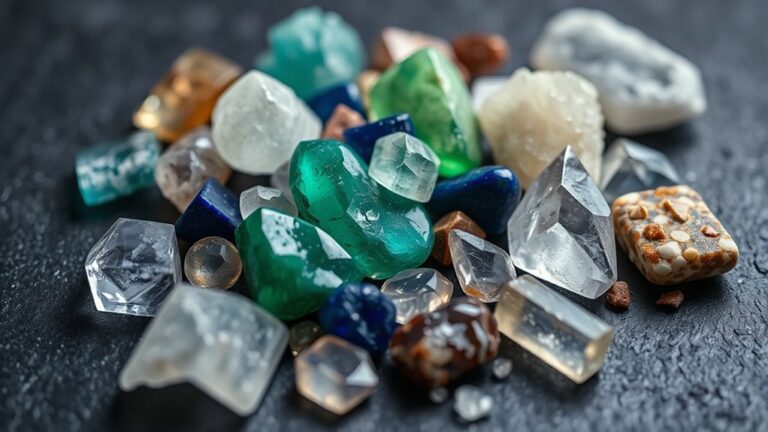
Have you considered alternative gemstones for your ring? Exploring alternative gems can save you money while giving you a unique style that stands out.
Choices like sapphires, emeralds, or moissanite offer stunning beauty and can be ethically sourced, aligning with your values. Not only do these options often come at a lower price point, but they also provide a cost comparison that reveals significant savings compared to traditional diamonds.
Plus, each gem carries its own story and character, making your ring truly one-of-a-kind. Embracing alternative gems allows you to express your individuality while ensuring you make a smart investment.
Shop During Sales Events
Shopping during sales events can greatly improve your diamond ring purchase, especially if you know when and where to look. By leveraging effective sales strategies, you can score stunning pieces at lower prices.
Keep an eye out for seasonal discounts, which often occur during holidays or special promotions. You might find sparkling diamonds at a fraction of the price, elegant settings that enhance your ring’s beauty, and exclusive offers on custom designs.
Limited-time deals can create a sense of urgency, so timing is key. Plan your shopping around these events to maximize value.
You’ll not only save money but also find a ring that truly reflects your partner’s style. Don’t miss out on these opportunities to make your purchase more meaningful!
Frequently Asked Questions
How Do Environmental Factors Affect Diamond Pricing?
Environmental factors can considerably affect diamond pricing. When natural disasters disrupt the supply chain, scarcity increases, driving up prices.
You’ll notice that market demand often spikes during wedding seasons or holidays, further influencing costs.
Moreover, eco-friendly practices can appeal to consumers, shifting preferences and altering demand dynamics.
What Role Do Diamond Origin and Ethics Play in Cost?
Diamond origin and ethics greatly impact cost.
When you choose diamonds sourced from ethical mining practices, you often pay a premium for the assurance that your gem supports fair labor and environmental sustainability.
On the other hand, diamonds from conflict zones can be cheaper but carry serious ethical concerns.
Can Insurance Impact the Price of a Diamond Ring?
Absolutely, insurance can impact the price of a diamond ring.
When you get an insurance valuation, it often reflects the ring’s market value, which can vary.
If you choose premium coverage, you’re likely paying more for better protection, which can also influence the overall investment.
Think of it like adding a vintage vinyl to your collection. The right insurance guarantees your prized possession is safeguarded, even if the cost rises.
How Does Diamond Resale Value Fluctuate Over Time?
Diamond resale value fluctuates over time due to market trends and diamond rarity.
As trends shift, demand for certain styles or sizes can either rise or fall, affecting resale prices.
Rarer diamonds generally retain higher value, but even common stones can vary based on current buyer interest.
Keeping an eye on these trends helps you understand when to sell or buy. This way, you can make informed decisions about your diamond’s worth.
Are Lab-Grown Diamonds Cheaper Than Natural Ones?
Think of lab-grown diamonds as the sun shining brightly in a clear sky. They often cost less than their natural counterparts.
When you look at the value comparison, lab-grown stones typically cost 20-40% less due to market trends favoring them. As demand rises, prices might adjust.
But currently, you’ll find that lab-grown diamonds offer a stunning, budget-friendly alternative without sacrificing beauty or quality. You can shine just as bright!
Conclusion
In the world of diamond rings, understanding the key factors is like traversing a treasure map. You need to know where to look.
By considering the 4 Cs and choosing the right metal, you can make an informed decision. Also, staying aware of market trends will help you navigate your options.
Whether you decide to customize or go for a pre-made option, keep in mind a well-planned budget.
Focusing on certification can lead you to your perfect gem without overspending. Ultimately, understanding how much a diamond ring costs will ensure you make the best choice.